
Cold Chain Labels: How to Choose Face Materials, Adhesives, and Ribbons That Survive Freezing
Request a solution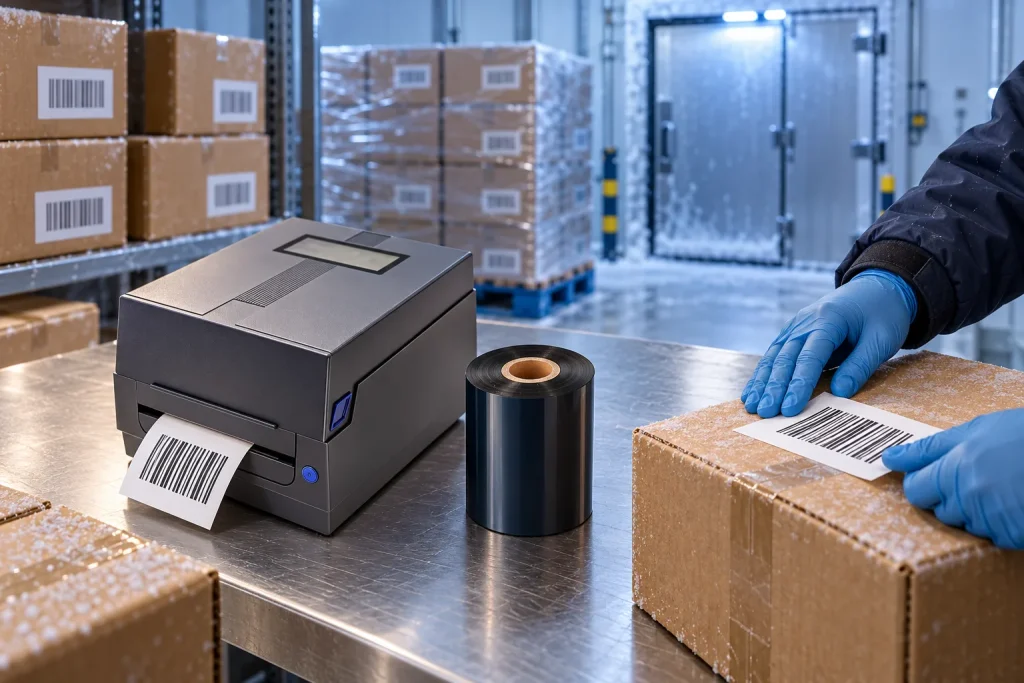
- Original TTR manufacturer since 2013
- Automated coating and slitting
- IQC / IPQC / OQC control
- ANSI barcode grade testing
- -20°C to 120°C environmental testing
- Batch-level traceability
- ANSI barcode grade
- Batch traceability
- RoHS / REACH compliance
- SGS and MSDS documents on request
Key Takeaways
- Match the label to the coldest temperature at which you will apply it, not just the temperature where it will be stored; some listings flag adhesives that can be pasted at low temperature.
- Where labels meet condensation or direct food packaging, look for constructions described as waterproof and anti-freezing.
- Wax-resin thermal transfer ribbons resist scratching, rubbing, and chemicals better than standard wax ribbons and print across paper and synthetic label materials.
- Label constructions differ by job: food logistics, food packaging, steel coils, and tamper-evident seals each have attributes described for their own conditions.
- Run a printed sample through the real freeze cycle and check edge lift, legibility, and scan rate before ordering a full run.
What Your Cold Chain Environment Demands From a Label
A cold chain label has to perform at the coldest point of your process, so start by writing down four conditions: the surface temperature when the label is applied, the lowest storage and transit temperature, the moisture swings as goods move between cold and ambient zones, and the material of the surface you are labeling. Cartons labeled as they leave a blast freezer present a different problem from cartons labeled before freezing, because the adhesive has to grip a surface that is already cold.
Surface type matters as much as temperature. Flexible film packaging, corrugated cases, rigid plastic totes, and steel coils flex, shed, and sweat differently, and a construction that holds on one surface can lift at the edges on another. Handling adds abrasion, and supply chain management is becoming an increasingly common secondary use for industrial labels, so a print that fades or smudges breaks more than a shipping record.
If labeling happens below room temperature or onto chilled surfaces, narrow your shortlist immediately to constructions described as low-temperature applicable with strong adhesive, and apply them to clean, dry surfaces wherever the process allows.
Choosing Face Material and Adhesive for Cold Chain Labels
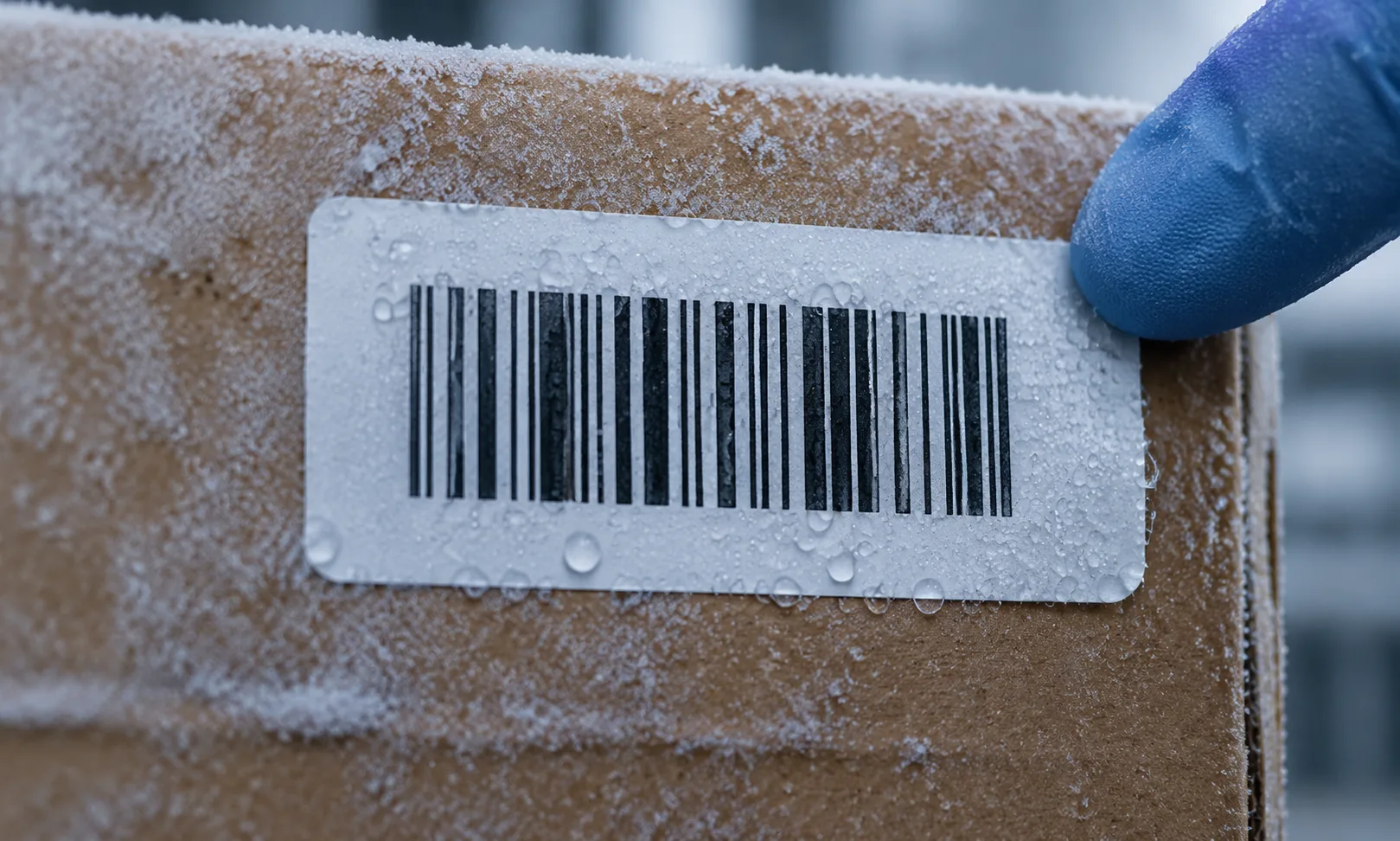
Face material and adhesive decide whether a cold chain label stays attached through freezing, moisture, and the flex of the surface underneath. Paper absorbs moisture more readily than synthetic faces, which is why listings for food packaging cold chain labels describe waterproof, anti-freezing constructions rather than relying on ordinary paper. For tagging food through frozen and chilled logistics, listings describe low-temperature-resistant food cold chain logistics labels that can be pasted at low temperature with strong adhesive — the two attributes that matter when a label must bond to a surface that is already cold.
Synthetic paper and film faces carry most cold chain work. For steel logistics, listings describe high and low temperature resistant synthetic paper labels that can stick to cold rolled coils at low temperature, and separate steel industry labels as special for cold rolled plate labeling. Where a shipment also needs tamper evidence, listings describe fragile synthetic paper labels that combine an anti-counterfeiting function with low temperature resistance and strong viscosity.
Use these descriptions to shortlist, then filter by your own conditions: the coldest application temperature rules out constructions not described for cold application, and visible moisture rules out anything not described as waterproof. Ask each supplier which face-and-adhesive combination they stand behind for your lowest temperature, and keep the answers per construction — attributes described for one listing do not transfer to every label in a range.

Matching a Thermal Transfer Ribbon to the Label
Thermal transfer printing puts the barcode and variable data onto the label at print time, and the ribbon paired with the face material controls how long that print stays readable. A wax-resin ribbon is a specialised printing ribbon built for high-quality labels and barcodes, blending soft wax with hard resin for excellent print durability. That blend makes prints harder than standard wax ribbons produce, and wax-resin prints hold up better against scratching, rubbing, chemicals, and smearing — the abuse a frozen carton takes on conveyors, in racks, and through cold rooms.
Face fit is the second filter. Wax-resin prints are described as ideal for semi-gloss paper and some synthetic materials, and the same ribbons work across various substrates including paper and synthetic materials, producing the sharp barcodes that accurate scanning depends on. That durability is why wax-resin is cited as a first choice for in-line print-on-packaging in harsh conditions, and wax-resin ribbons are described as meeting regulatory labelling needs so product traceability survives the supply chain. They also deliver that performance at a cost-effective balance between quality and price, with fewer print failures.
Before ordering, check your printer's required ribbon width, core size, and ink-side orientation so the roll physically fits and winds the right way. Keep standard wax for dry, ambient, short-life labeling; when labels will see cold, moisture, or long transit, the durability margin of wax-resin is the default worth choosing. If your face material sits outside these descriptions, print a sample first instead of assuming compatibility.
How to Verify a Cold Chain Label Before Full Rollout
A short sample test under real conditions settles most cold chain label questions before they become rejected shipments and reprints. Run this sequence with the exact label stock, ribbon, and printer you plan to order:
- Print a short run containing your worst-case data: the longest barcode, the smallest text, and the densest layout you use.
- Apply the labels to the real surface at its coldest realistic state, taken straight from cold storage and wiped clean and dry first.
- Send the labeled items through the full freeze cycle they will see in service, then back to ambient once.
- Inspect edge lift at the corners, print legibility after handling, and scan rate with the scanners used downstream.
- Repeat the cycle a second time if your route includes repeated trips between cold and ambient conditions.
Read failures by symptom. Edges lifting after freezing point to an adhesive or application-temperature mismatch, so move to constructions described for low-temperature application and confirm the surface was dry when the label went on. A print that smears or scratches off points to a ribbon and face-material mismatch, and the durability gain of wax-resin over standard wax is what that symptom calls for. Scans that fail while the print still looks intact are a print-quality problem, so check print darkness and ribbon tension on the printer before rejecting the label stock.
Data and Evidence
The table below maps common cold chain jobs to the label attributes supplier listings state for them, so you can shortlist constructions before requesting samples. Treat each row as the description of one construction type, not a universal specification for every label in a catalog.
| Cold chain job | Label type described in listings | Attributes stated |
|---|---|---|
| Frozen and chilled food logistics tagging | Low-temperature-resistant food cold chain logistics label | Can be pasted at low temperature; strong adhesive |
| Direct food packaging in freezing, condensing conditions | Food packaging cold chain label | Waterproof; anti-freezing |
| Steel cold rolled coils | High and low temperature resistant synthetic paper label | Can stick at low temperature |
| Cold rolled plate in the steel industry | Low-temperature-resistant steel industry label | Special for cold rolled plate labeling |
| Tamper-evident seals at low temperature | Fragile synthetic paper anti-counterfeiting label | Low temperature resistance; strong viscosity |
On the print side, the wax-resin evidence base is consistent: the blend of soft wax and hard resin is what gives these prints their durability, and the same ribbons produce the sharp barcodes that scanning depends on across paper and synthetic substrates. Where regulations require traceability, wax-resin ribbons are described as meeting regulatory labelling needs throughout the supply chain.
Next step: pick the two rows in the table that match your coldest application condition, order samples of those labels together with a wax-resin ribbon that fits your printer's width and core, and run the five-step verification on your coldest line before committing to a full run.
Frequently Asked Questions
What temperature can cold chain labels be applied at?
The minimum application temperature belongs to each adhesive system, and supplier listings flag the difference — some labels are described as able to be pasted at low temperature with strong adhesive. Shortlist constructions described for cold application, confirm the exact minimum with the supplier, and verify with a sample applied to a chilled, dry surface.
Can I print cold chain labels with a standard wax ribbon?
Standard wax will print, but wax-resin prints resist scratching, rubbing, and chemicals better than standard wax, and frozen packaging takes that abuse constantly. For labels going through cold rooms, condensation, and transit, wax-resin on a compatible face material is the lower-risk choice; keep standard wax for dry, ambient, short-life labeling.
Do cold chain labels need to be waterproof?
It depends on the moisture the label actually sees. Listings for food packaging cold chain labels describe waterproof, anti-freezing constructions for that environment, while some logistics labels are defined instead by strong adhesion and low-temperature application. If condensation, icing, or direct food packaging contact is part of your cycle, treat waterproof as a requirement.
Why do cold chain labels peel off frozen packaging?
The common causes are applying below the adhesive's minimum application temperature, applying onto frost or condensation, and using a construction not described for cold surfaces. Choose labels described as low-temperature applicable with strong adhesive, apply them to clean, dry surfaces, and verify with a sample that has been through the real freeze cycle.
Which ribbon prints best on synthetic cold chain labels?
Wax-resin ribbons are described as ideal for semi-gloss paper and some synthetic materials and versatile across paper and synthetic substrates, which makes them the default starting point for synthetic cold chain labels. Because synthetic face coverage varies by construction, print a sample on your exact label stock before ordering a full ribbon run.
Recommended products for this industry
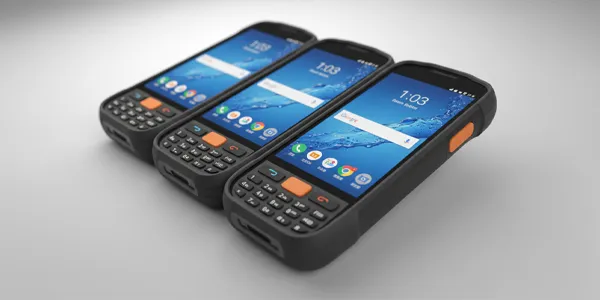
Cold Storage Cold Chain PDA
To address the high-humidity environment of professional cold storage and cold chain…
View details
Low-Surface-Energy PET Label
High-tack PET label designed for low-surface-energy plastics and textured industrial…
View details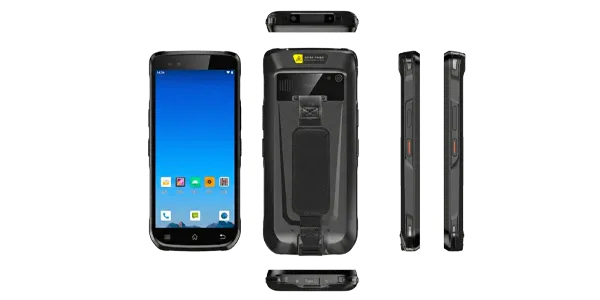
PDA Data Collector for Cold Chain Applications
Octa-core 2.0GHz processor, 4+64GB storage, standard barcode/QR code scanning…
View details
Surface Process Resistant Label
Identification label for parts moving through acids, alkalis, coatings, cleaning baths…
View detailsNeed the right ribbon for your label application?
Share the label material, printer and operating environment. Our team will recommend a tested combination.
