
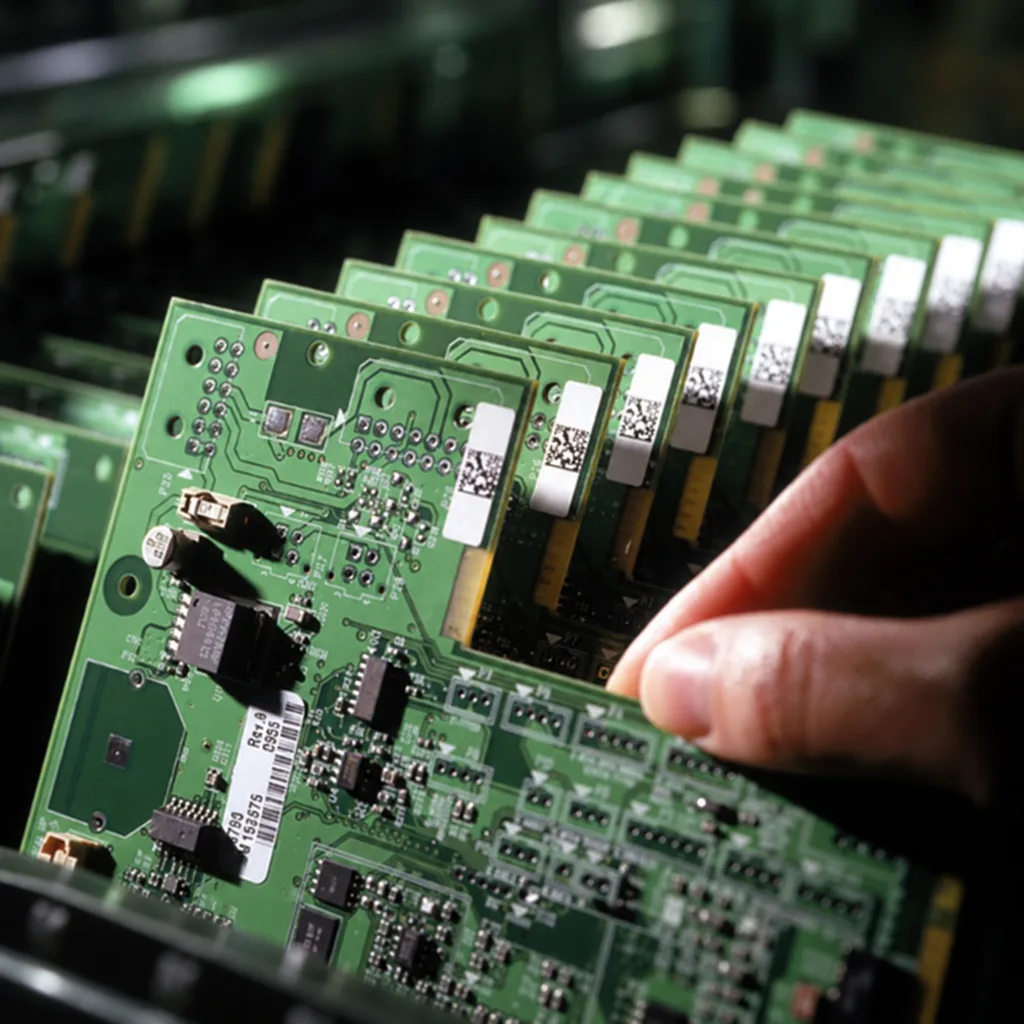
Polyimide Labels for Circuit Board Traceability — CL-8531TT
A matte white polyimide (PI) self-adhesive label material for printed circuit board (PCB) process control and traceability of sensitive electronic components. It combines a hard coating with an acrylic adhesive and is described for reflow and wave soldering applications. Select against the actual labeling surface and soldering exposure: the listed temperature range does not specify exposure duration or the number of passes.
- Matte whiteCoating
- 1milListed thickness
Product Overview
For identification through electronic manufacturing processes, this label material offers a matte white surface, a PI base and an acrylic adhesive. The listed thickness is 1mil; the source does not identify which layers that measurement includes. Confirm the required thickness definition before specifying the material.
The product description states resistance to reflow and wave soldering and lists a temperature range of -40-350℃. No exposure duration, thermal profile or repeated-pass conditions are supplied. As a general selection practice, evaluate the labeling side, peak temperature, dwell time and number of passes together rather than treating the maximum temperature as a complete process window.
The hard coating is described as scratch resistant and able to tolerate contact with iron. The material is also described as suitable for automatic labeling and as providing good printing results. These are qualitative descriptions; no scratch-test method, printer compatibility list or automatic applicator configuration is supplied. Confirm the printing and application setup for the intended process.
Use in sensitive-component traceability does not establish antistatic performance. The source lists SGS/RoHS under certification standards, but this listing alone does not establish certification of the supplied product. Request evidence covering the exact material when compliance documentation is required.
Core Advantages
Hard coating for handling contact
The coating is described as scratch resistant and able to tolerate contact with iron. No quantified abrasion rating or test conditions are provided.
Reflow and wave soldering applications
The material is described as able to withstand reflow and wave soldering. Confirm suitability for the actual thermal exposure; the source does not define dwell time or repeated-pass limits.
Printing and automatic labeling
The source describes good printing results and suitability for automatic labeling. Printer, ribbon and applicator compatibility must be checked for the intended setup because specific configurations are not listed.
Technical Specifications
| Coating | Matte white |
|---|---|
| Thickness | 1mil |
| Base material | PI |
| Adhesive | Acrylic |
| Listed temperature range; exposure duration unspecified | -40-350℃ |
| Source-listed certification standards; supplied-product evidence required | SGS/RoHS |
Typical Applications
Circuit board process control and traceability
For identification used in PCB manufacturing process control and product traceability. Assess the labeling position and the relevant reflow or wave soldering conditions before use.
Sensitive electronic component traceability
The source lists sensitive electronic components as an application for process control and product traceability. This application description does not establish antistatic performance.
Frequently Asked Questions
Can this label material be considered for both reflow and wave soldering?
Yes. Both processes are listed in the product description. The source does not supply dwell time, thermal profiles or repeated-pass limits. As general selection advice, evaluate each process and labeling side separately; the listed temperature range alone does not establish suitability for a specific production cycle.
What construction details are available for material selection?
The listed construction is a matte white coating, PI base material and acrylic adhesive, with a thickness of 1mil. The source does not identify which layers are included in that thickness or provide an adhesive thickness. Confirm those details if the application has a thickness limit.
Does the sensitive-component application mean the material is antistatic?
No. Sensitive-component process control and traceability are listed applications, but no antistatic property or test result is provided. Treat any electrostatic requirement as a separate selection criterion requiring product-specific evidence.
Does the SGS/RoHS listing confirm certification of the supplied material?
The source lists SGS/RoHS under certification standards. That statement alone does not confirm certification or compliance of the supplied material. Request documentation that covers the exact material and the requirements of your project.
Explore

Acid and Alkali Resistant Label
Chemical-resistant label construction for acid baths, paint-stripping solutions, alkali…
View details
Aluminum Foil High-Temperature Label
Coated aluminum label for metal processing, heat treatment and high-temperature part…
View details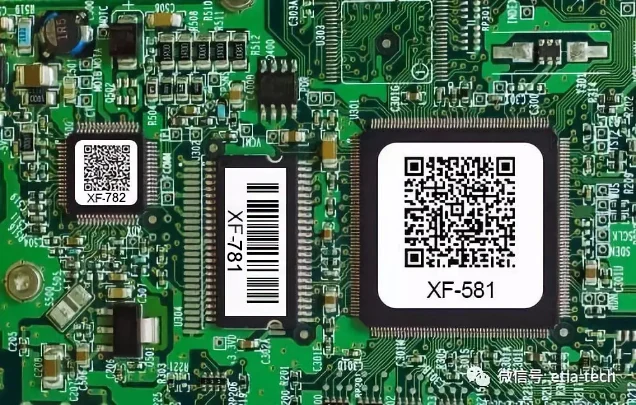
Anti-Static High-Temperature Polyimide Label
Anti-static polyimide label for ESD-sensitive electronics assembly and high-temperature…
View detailsNot sure which grade fits your printer and label?
Tell us the label material, printer model, environment and expected durability. We will recommend the right option.
