
How Do Wax, Wax-Resin and Resin Thermal Transfer Ribbons Differ, and Which Should You Choose?
Request a solution
- Original TTR manufacturer since 2013
- Automated coating and slitting
- IQC / IPQC / OQC control
- ANSI barcode grade testing
- -20°C to 120°C environmental testing
- Batch-level traceability
- ANSI barcode grade
- Batch traceability
- RoHS / REACH compliance
- SGS and MSDS documents on request
Buyers choosing between wax, wax-resin and resin thermal transfer ribbons are really choosing an ink formulation, and that choice sets print durability, usable label materials and cost. Wax covers standard paper labels at the lowest cost. Wax-resin blends in hard resin for scratch, moisture and chemical resistance on coated and semi-gloss stocks and some synthetics. Full resin survives harsh chemicals, solvents and abrasion on synthetic materials at a premium price, so match ribbon to label material first, then to environment, printer and total cost, and verify with a scanned test print.
Key Takeaways
- Wax ribbons are the most economical thermal transfer option, delivering good print quality on paper labels with limited durability.
- Wax-resin ribbons blend soft wax with hard resin, producing harder prints that resist scratching, rubbing, moisture and moderate chemicals.
- Resin ribbons carry the highest resin concentration and withstand harsh chemicals, solvents, oils and cleaning agents, delivering maximum longevity at a premium price.
- Label material is the first selection filter: paper points to wax or wax-resin, semi-gloss paper to wax-resin, and synthetic films to wax-resin or full resin.
- Resin prints need more heat and dwell time than wax, so check printer energy settings and scan a test print before ordering in bulk.
What Makes Wax, Wax-Resin and Resin Ribbons Different
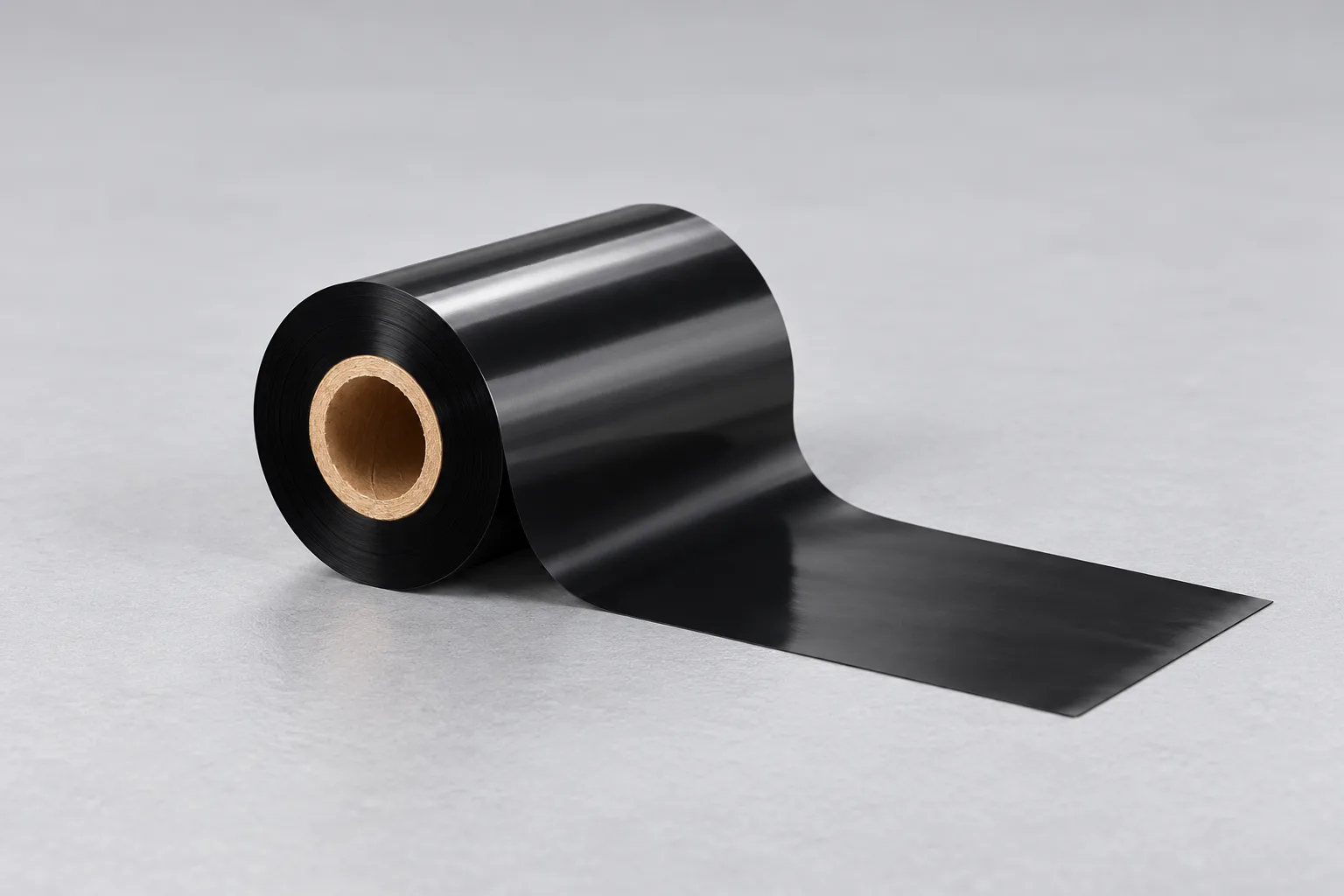
Thermal transfer ribbons share one printing method but differ in the wax-to-resin balance of their ink layer, and that balance decides how each print behaves. Each ribbon is an ink layer carried on a backing film; the printhead heats the layer and transfers it onto the label surface, and the ribbon type determines print durability and quality. Wax melts readily, transfers with less energy and costs the least, but the resulting image stays comparatively soft. Resin is harder and tougher and needs more heat and dwell time to transfer properly. Wax-resin sits between the two as a deliberate hybrid, trading a little of each quality for a wider working range. Because the three types are points on one formulation spectrum rather than unrelated products, you can move up or down it as durability requirements and budgets change.
Where Each Ribbon Type Performs Best
Each formulation has a clear performance profile that follows its wax-to-resin ratio, and matching that profile to your labels is the core decision.
Wax Ribbons: Lowest Cost for Short-Life Paper Labels
Full wax is the most common thermal transfer ribbon because it is more economical than resin, and it keeps consumable spend low on high-volume runs. Print quality on paper is good, which is why wax remains the default for standard indoor labelling. The limits show in durability and substrate range: wax images scratch and smear more easily, and the ink struggles to adhere to synthetic substrates such as polyester or polypropylene. Depending on the environment, wax prints may also not last as long as resin prints. That profile makes wax the right call for short-life paper labels consumed quickly indoors — shipping cartons, warehouse labels, and retail price and shelf labels.
Wax-Resin Ribbons: The Balance of Cost and Durability
A wax-resin ribbon blends soft wax with hard resin, so the printed image is harder than pure wax and holds up better against scratching, rubbing and chemicals. Compared with wax alone, it also adds resistance to moisture and moderate chemicals, and it prints on coated paper and select synthetic materials. The compatible substrate range is wide: coated and uncoated papers, tags, synthetic papers, and BOPP, PET and PVC films, with semi-gloss paper a particular strength. Durability sits a step above wax while pricing stays mid-range, and the cost-to-performance balance reduces print failures. That combination explains why wax-resin is the first choice for in-line print-on-packaging and logistics work: sharp, scannable barcodes, reliable output on fast lines, and enough toughness for standard and weatherproof labels.
Resin Ribbons: Maximum Durability for Harsh Conditions
Resin ribbons carry the highest concentration of resin in the ink formulation, which gives them the best durability in the range. Prints withstand exposure to harsh chemicals, solvents, oils and cleaning agents without smudging or fading, and they hold up in the challenging environmental conditions that defeat softer inks. That resilience makes resin the standard for regulatory labelling and any application that needs long-term readability — electronics, laboratory samples, automotive components, asset tags and chemical drum identification. The trade-offs are price and print speed: pure resin delivers maximum longevity at premium prices, and it needs more heat and dwell time to transfer properly. Results also depend on pairing the ribbon with a compatible label facestock, so confirm the material match on the specification sheet before you commit.
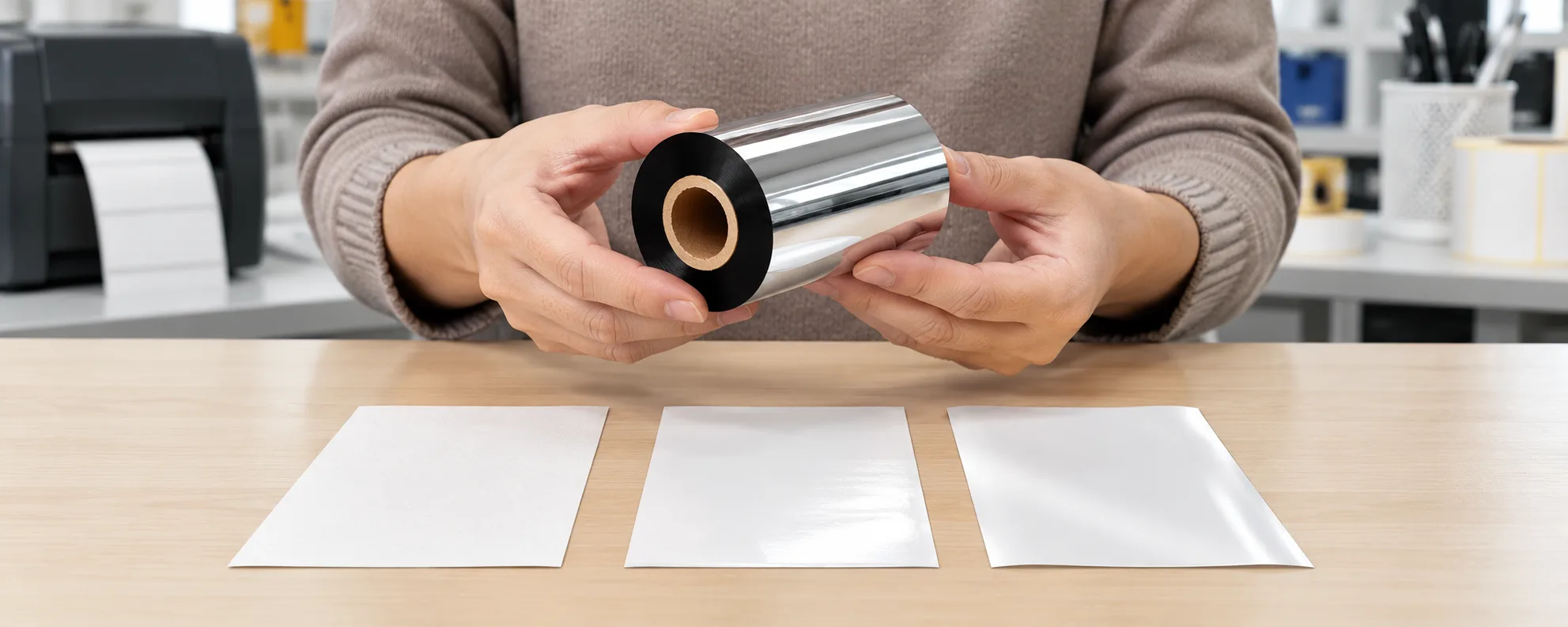
How to Choose: Material First, Then Environment, Printer and Cost
The label material is the first filter in ribbon selection, because the ink has to bond to the surface before any durability rating matters.
- Uncoated or coated paper: wax keeps costs lowest; step up to wax-resin when labels face handling, moisture or a longer lifecycle.
- Semi-gloss or coated stock: wax-resin is the natural match, giving a harder print with better smearing resistance.
- Synthetic films such as PET, BOPP, PVC or polypropylene: wax is a poor match, so choose wax-resin for lighter duty or full resin when the label must survive chemicals and abrasion.
Next, weigh the operating environment. Humidity, abrasion from handling or transport, chemical contact and temperature swings all push the choice toward more resin: wax-resin covers weatherproof labels and moderate chemical exposure, while harsh chemicals, solvents and oils call for full resin. Then check the printer. Wax runs on most thermal transfer printers and prints fastest, while resin needs more heat and dwell time, so confirm that your printer's energy settings can support the grade you pick. Finally, price the decision honestly: the cheapest ribbon is not the cheapest outcome if labels fail in the field, and a mid-range wax-resin that avoids reprints and relabelling often wins on total cost.
Run through this checklist before you order:
- Confirm the label material and any coating or topcoat.
- List the environmental exposures: moisture, abrasion, chemicals, temperature.
- Check your printer model, ribbon width and ink-side orientation against the ribbon specification.
- Print a sample on your actual label stock and scan it with the scanners used in your operation.
- Request the technical data sheet and compatibility list from the supplier.
The sample print is your cheapest insurance: it verifies adhesion, print density and scan reliability on your exact materials before you commit budget.
Data and Evidence
The table condenses the differences into six dimensions buyers weigh most. Use it as a shortlist, not a substitute for a product datasheet.
| Dimension | Wax | Wax-Resin | Resin |
|---|---|---|---|
| Ink formulation | Highest wax share; soft ink layer | Soft wax blended with hard resin | Highest resin concentration |
| Print durability | Good print quality, limited durability | Harder print; resists scratching, rubbing and chemicals | Maximum longevity; withstands harsh conditions |
| Compatible label materials | Paper-based labels | Coated and uncoated paper, tags, synthetic papers, BOPP, PET and PVC; semi-gloss and some synthetics | Synthetic facestocks needing maximum durability |
| Environmental resistance | Limited; indoor use | Moisture, moderate chemicals and temperature changes; weatherproof labels | Harsh chemicals, solvents, oils and cleaning agents |
| Print speed and energy | Generally faster printing | Between wax and resin | More heat and dwell time |
| Cost tier | Lowest | Mid-range | Premium |
| Typical applications | Carton, shipping and warehouse labels; retail price labels | Logistics, retail, print-and-apply packaging and weatherproof labels | Electronics, laboratory, asset and chemical identification |
Read the label-material and environment rows together first — they usually eliminate two of the three options immediately. Then verify: request the datasheet for the exact ribbon grade, print a sample on your actual stock, and scan it with your production scanners before placing a bulk order. Print speed follows the same gradient as durability, with wax printing fastest and resin needing the most heat and dwell time. Next step: shortlist one ribbon grade per label material you run, order single-roll samples, and book a test print on your live line.
Frequently Asked Questions
Can I use a wax ribbon on synthetic label materials?
Not reliably. Wax ink works best with paper-based materials and struggles to adhere properly to synthetic substrates such as polyester or polypropylene. For synthetic films, choose a wax-resin ribbon rated for some synthetics, or a full resin ribbon when the label must survive chemicals and abrasion.
Which ribbon should I use for shipping and warehouse labels?
For paper carton and warehouse labels with short indoor lifecycles, wax delivers good print quality at the lowest cost. Move up to wax-resin when cartons rub in transit, see moisture, or the label must stay legible through a longer distribution cycle.
Is a wax-resin ribbon durable enough for outdoor use?
For many outdoor jobs, yes. Wax-resin resists moisture, moderate chemicals and temperature changes, and it is used for both standard and weatherproof thermal transfer labels. For continuous exposure to harsh chemicals, solvents or heavy abrasion, step up to full resin.
Do all thermal transfer printers work with wax, wax-resin and resin ribbons?
Wax ribbons are compatible with most thermal transfer printers, and wax-resin formulas work across a wide range of models. Resin demands more heat and dwell time, so verify that your printer's energy settings suit it, and confirm ribbon width and ink-side orientation against the printer specification before ordering.
Is a resin ribbon always the better choice?
No. Resin delivers maximum longevity, but at premium prices and with slower printing, because it needs more heat and dwell time. For indoor paper labels with short lifecycles, wax or wax-resin meets the requirement at a lower total cost.
Recommended products for this industry
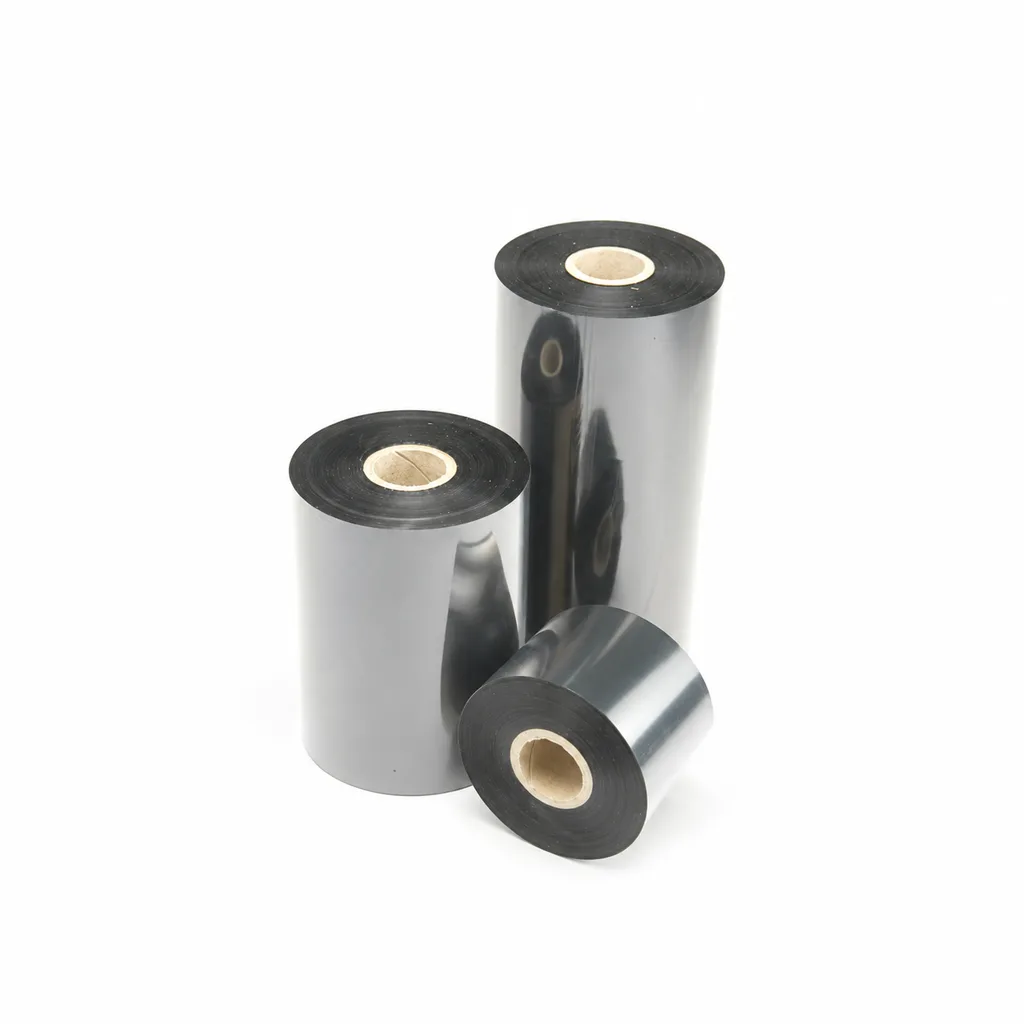
CL-Z203 Wax-Resin Thermal Transfer Ribbon for Barcode Labels
A black wax-resin thermal transfer ribbon for flat-head printing, with listed applications including retail, warehousing, logistics and garment tags. Select it against your actual label material and desktop or industrial barcode printer at speeds ≤6 ips (inches per second). Fine-line, small-text and durability results were obtained on coated paper; print quality and image durability may vary with the printer and printing substrate.
View details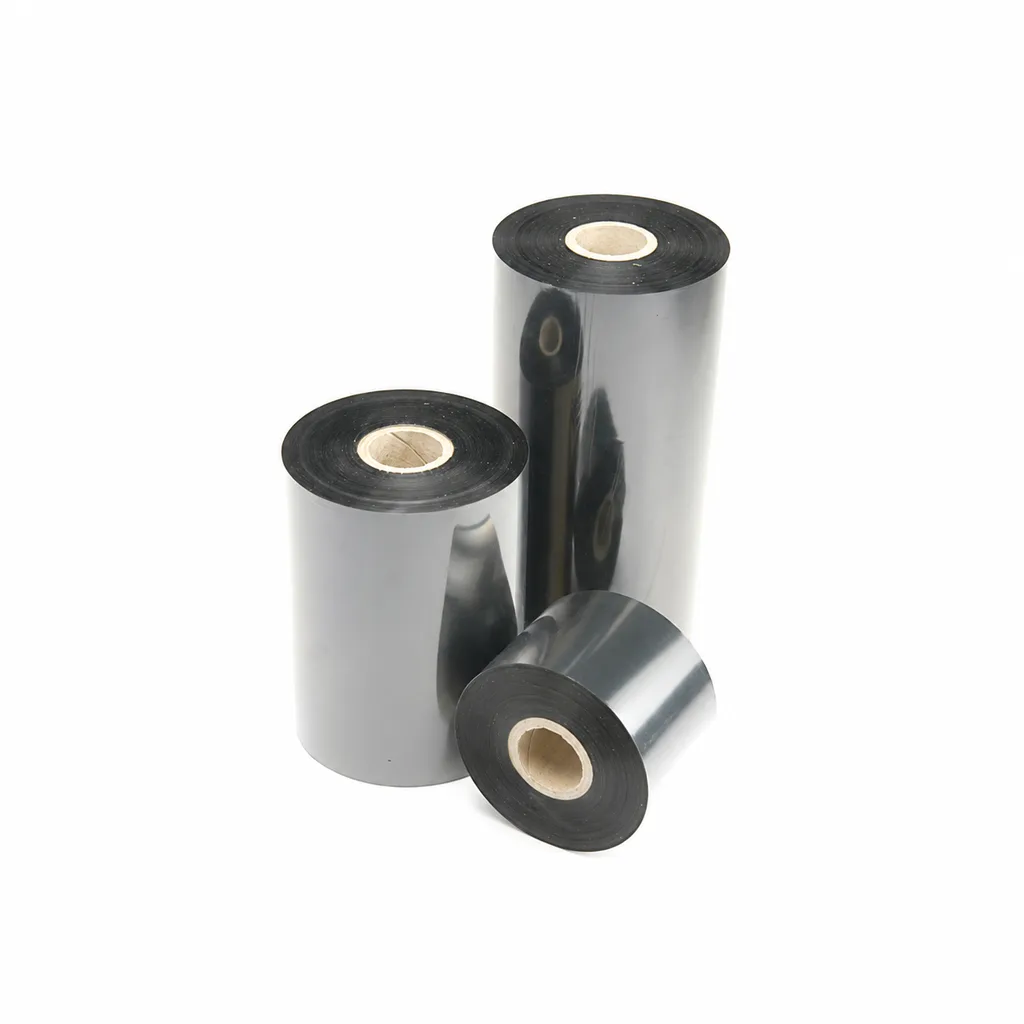
CL-Z213 Near-Edge Wax-Resin Thermal Transfer Ribbon for Barcode Labels
An enhanced black near-edge wax-resin thermal transfer ribbon for near-edge barcode printers and low- to medium-speed thermal transfer overprinting (TTO). Listed applications include retail labels, warehousing, garment tags and packaging identification. Match the printer, actual print medium and operating speed before selection: print quality and image durability can vary with the printer and substrate.
View details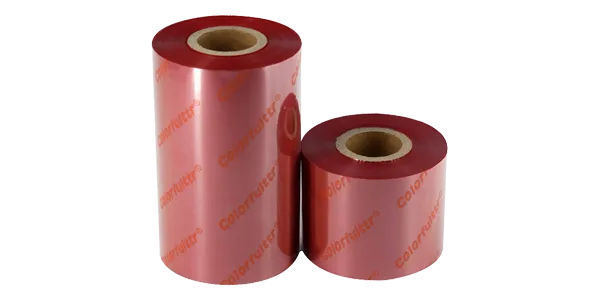
High-grade wax resin thermal transfer ribbon
Premium wax-resin thermal transfer ribbons are specifically engineered for diverse…
View details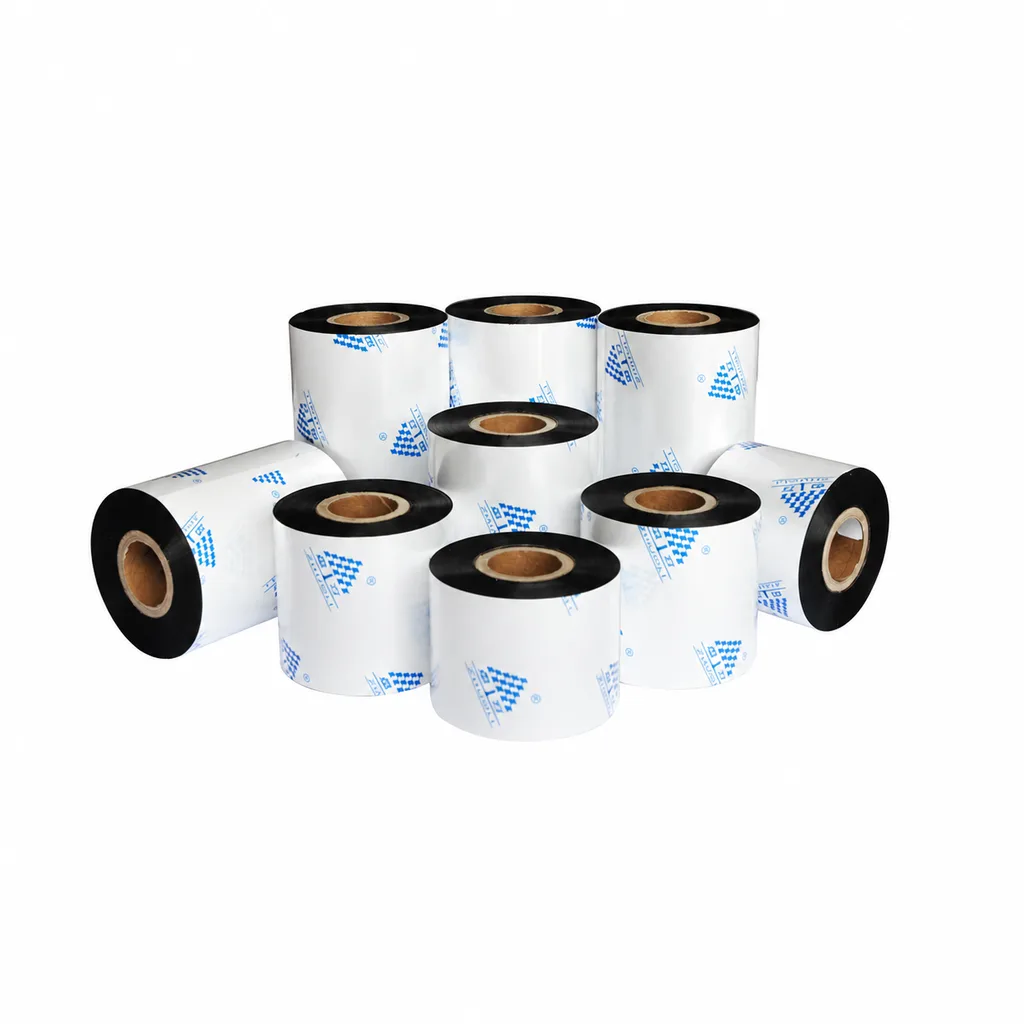
Near-Edge Wax-Resin Thermal Transfer Ribbon CL-Z212 for Barcode Labels
CL-Z212 is a general-purpose black wax-resin thermal transfer ribbon primarily for near-edge barcode printers, with use also described for low- to medium-speed thermal transfer overprinting (TTO). Listed applications include retail labels, garment tags, warehouse identification and packaging printing. Select according to printer type, actual printing speed and substrate: recommended conditions list near-edge printing at ≤10 inches per second (ips) and TTO at ≤20 ips. Print quality and image durability can vary with the printer and printing material, so trial printing on the intended substrate is necessary for selection.
View detailsNeed the right ribbon for your label application?
Share the label material, printer and operating environment. Our team will recommend a tested combination.
