
How to Choose Hang Tag Stock: Direct Thermal vs Thermal Transfer, Materials and Sizes
Request a solution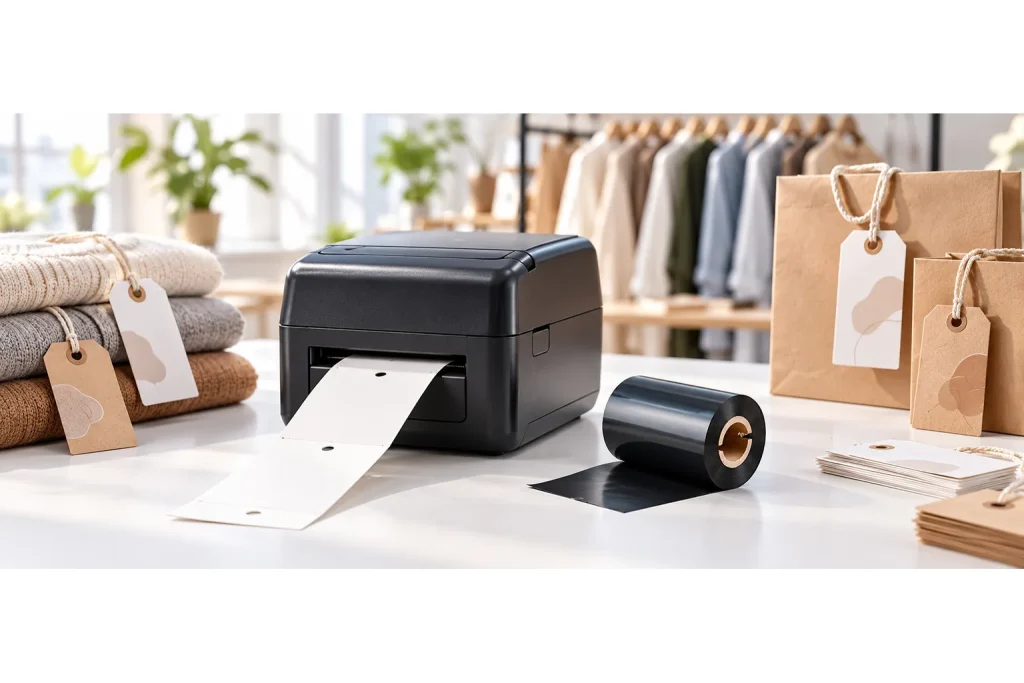
- Original TTR manufacturer since 2013
- Automated coating and slitting
- IQC / IPQC / OQC control
- ANSI barcode grade testing
- -20°C to 120°C environmental testing
- Batch-level traceability
- ANSI barcode grade
- Batch traceability
- RoHS / REACH compliance
- SGS and MSDS documents on request
This guide is for buyers who print hang tags in-house and must choose between direct thermal and thermal transfer printing, and between paper, cardstock and synthetic facestock. Choose thermal transfer when the tag carries price, size, fabric care or branding that must stay readable through retail handling; direct thermal suits short-life identification tags. The comparison table below lists the specifications and conditions to weigh, and a sample run on your own printer is what confirms the choice.
Key Takeaways
- Direct thermal printing uses heat-sensitive material and needs no ribbon, and it is a common choice for shipping, barcodes, inventory and other shorter-term applications.
- Thermal transfer printing uses a ribbon to produce a longer-lasting image and supports paper plus select synthetic materials.
- Tag stock comes in both direct thermal and thermal transfer, and thermal transfer requires a ribbon to print.
- Wunderlabel lists its standard, 100% recycled and kraft paper hang tags at 300gsm; this is a supplier specification, not a universal hang tag weight.
- UPrinting offers oval, rectangle and folded hang tags, with a choice of 5 hole locations for its finished tags.
Choose Between Direct Thermal and Thermal Transfer First
Direct thermal and thermal transfer are the two methods used to print hang tag stock, and they differ in whether a ribbon is used and how long the printed image lasts. Choosing the right blank roll label starts with how you plan to print and use it, so settle the method before you compare papers.
Direct thermal printing uses heat-sensitive label material and does not require a ribbon, making it a common choice for shipping, barcodes, inventory and other shorter-term applications. If your tag only has to stay readable through goods receiving or a single transit leg, this method keeps the consumable list down to the tag stock itself.
Thermal transfer printing uses a ribbon to produce a longer-lasting image and supports paper plus select synthetic materials. Because the ribbon is consumed with every tag, plan for it as a recurring purchase rather than a one-off.
For apparel, accessories, gifts and retail hang tags, thermal transfer is the safer default. Hang tags are used to display pricing, share fabric care and showcase a logo, and they hang on bags, boxes and garments that customers handle. Tag stock labels can come in both direct thermal and thermal transfer, and thermal transfer requires a ribbon to print, so check which method your printer supports before you order stock.
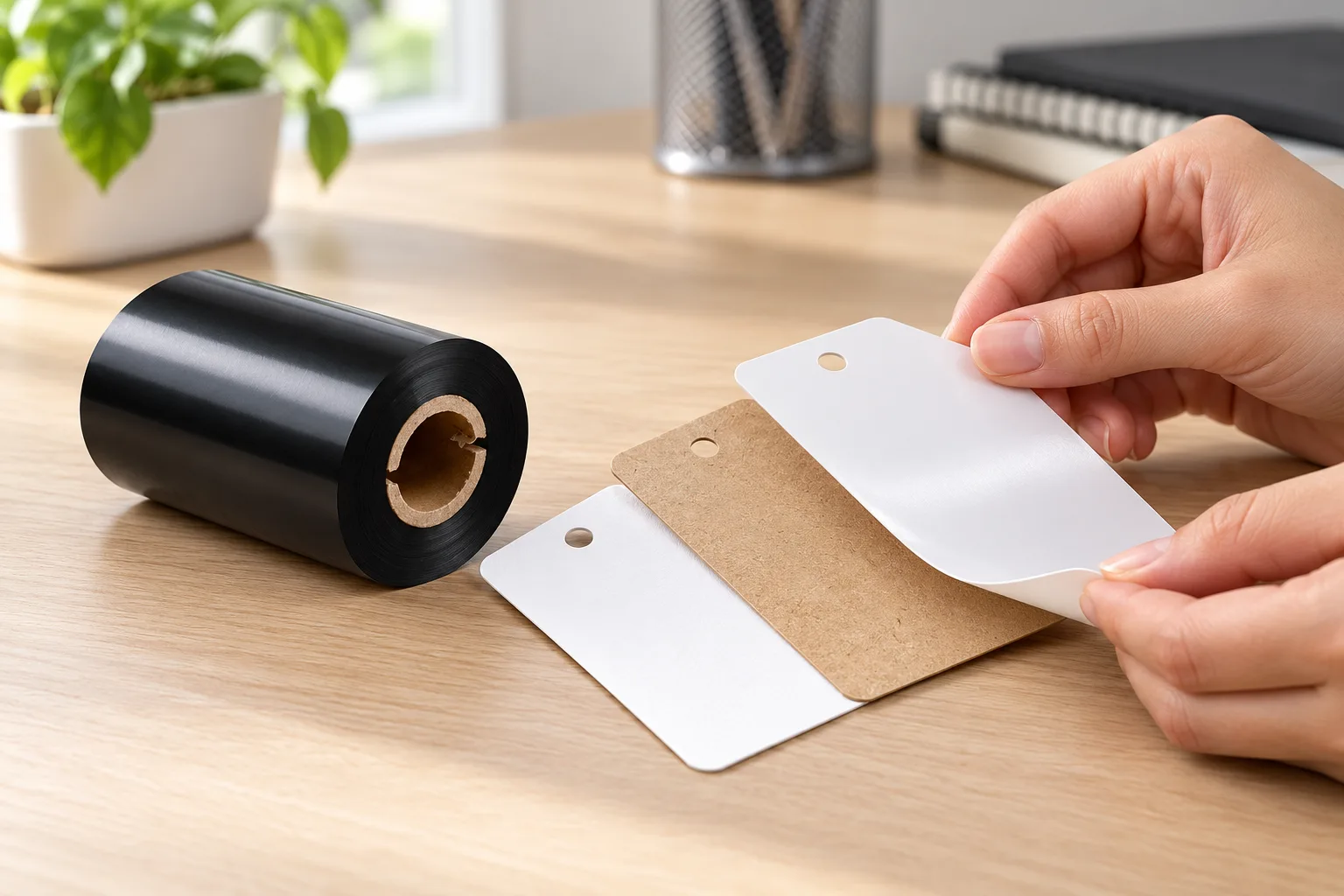
Match the Facestock to How Long the Tag Must Stay Readable
The supplied descriptions cover paper hang tags, heavyweight paper cardstock and synthetic thermal transfer label materials; they do not establish equivalent hang tag performance.
Wunderlabel lists its hang tags on standard paper, 100% recycled paper or kraft paper at 300gsm, which stands for grams per square meter. The supplier describes its paper as sturdy and substantial in the hand. These descriptions apply to that supplier’s range; confirm the weight of the stock you buy.
OnlineLabels lists OL3488KW as 2" x 3.5" white cardstock tags made from non-adhesive 7.5 point, 118 lb., uncoated heavyweight paper. These are size and paper specifications; the description does not verify thermal printing compatibility. Treat this example as a format reference rather than a confirmed candidate for your thermal printer.
Smith Corona describes thermal transfer labels as withstanding heat, light, chemicals and various elements, and lists paper and polypropylene among its materials. This supplier description does not verify every synthetic hang tag. Zebra lists PolyPro 4000T as thermal transfer Kimdura polypropylene and describes its print quality and durability as the best in its family. Its adhesive options identify label constructions. Confirm a non-adhesive hang tag construction and test the actual material and ribbon combination against your application requirements.
Pick the Size, Shape and Hole Position Your Product Needs
Hang tag size, shape and hole position follow what the tag has to say and how it hangs on the product.
Start from the content. Clothing lines use hang tags for size and price tags, makers and skincare brands use them for product stories and care instructions, and gift shops and boutiques use them as branded price tags. Compare your complete care text or product story with a price-only layout before deciding the required area. OnlineLabels offers a 2" x 3.5" white cardstock format, but its thermal printing compatibility is not established.
Shape and finish are set by die cutting. Die-cut printing allows hang tags in oval, rectangle and folded shapes, and metallic and foil hang tags are offered for upscale brands and special occasions. Hang tags are also specialized for clothing, gifts, jewelry, and retail applications, so pick a range built for your category instead of a generic blank.
The hole decides how the tag sits. UPrinting offers a choice of 5 hole locations on its finished hang tags. Check the chosen position on your actual product attachment and confirm the options offered by your blank stock supplier. Where you buy blank thermal transfer hang tags, the catalogue is filtered by size, color, and type, so set all three filters before you compare prices.

Confirm the Choice With a Sample Batch
A short sample run on your own printer is what confirms the stock, because the printed result comes from the ribbon and the facestock working together.
- Print the real artwork, with price, size, care text and logo at final font sizes, on two candidate stocks.
- Check the clarity of small text, care symbols and size codes. If any are unclear, record the symptom and review the artwork and printer, stock and ribbon combination before approving the batch.
- Attach the tags to real product and put them through the handling your goods actually get: packing, unpacking, shelf time and customer trying-on.
- Read both tags again after that handling and compare them side by side.
- Standardize on the stock that stayed legible, and record the facestock, size, hole position and ribbon pairing on the purchase order so reorders match.
Repeat the test whenever you change facestock or ribbon supplier. Thermal transfer labels deliver sharp, clear text, ensuring easy readability and reliability, but that result depends on your printer, the ribbon and the stock being matched, so verify on your own equipment rather than on a catalogue description.
Data and Evidence
The specifications below come from supplier product descriptions and apply to the products named in them. Use them to shortlist, then confirm against the datasheet of the stock you actually buy.
| Decision | Option | What the sources state | Choose it when |
|---|---|---|---|
| Printing method | Direct thermal | Uses heat-sensitive label material and does not require a ribbon; a common choice for shipping, barcodes, inventory and other shorter-term applications | The tag only needs to stay readable through a short internal or transit step |
| Printing method | Thermal transfer | Uses a ribbon to produce a longer-lasting image and supports paper plus select synthetic materials | Price, size, care text or branding must stay readable through retail handling |
| Facestock | Paper, recycled or kraft | Wunderlabel lists its standard paper, 100% recycled paper and kraft paper hang tags at 300gsm | Clothing and accessory tags where hand feel and a sturdy sheet matter |
| Facestock | Cardstock blanks | OnlineLabels OL3488KW uses 2" x 3.5" non-adhesive 7.5 point, 118 lb., uncoated heavyweight paper | Format reference only; thermal printing compatibility is not verified |
| Facestock | Synthetic, polypropylene | Smith Corona describes thermal transfer label resistance to heat, light and chemicals; Zebra lists PolyPro 4000T as thermal transfer Kimdura polypropylene with a supplier claim of best print quality and durability in its family | Confirm hang tag construction and validate the actual material and ribbon combination for the intended exposure |
| Format | Die-cut shapes and hole positions | UPrinting offers oval, rectangle and folded shapes, with a choice of 5 hole locations on its finished tags | The tag must hang a specific way on a hanger, button or drawstring |
Where a hang tag has to carry content through retail handling, start from the thermal transfer row; the direct thermal row applies to short-life identification use.
Frequently Asked Questions
Should I print hang tags with direct thermal or thermal transfer?
Direct thermal uses heat-sensitive material, needs no ribbon, and is a common choice for shipping, barcodes, inventory and other shorter-term applications. Thermal transfer uses a ribbon to produce a longer-lasting image and supports paper plus select synthetic materials, which suits hang tags carrying price, size and care text that must stay readable through retail handling. Check which method your printer supports, because tag stock comes in both versions.
What paper weight works for clothing hang tags?
Wunderlabel lists its standard, 100% recycled and kraft paper hang tags at 300gsm, which stands for grams per square meter, and describes its paper as sturdy and substantial in the hand. This is a specification for that supplier’s range, not a universal requirement. Cardstock blanks are also sold, so confirm the grade printed on the blank you buy.
Can hang tags be printed on polypropylene instead of paper?
Thermal transfer supports select synthetic materials, and Smith Corona lists polypropylene among its thermal transfer label materials. This does not verify any particular non-adhesive polypropylene hang tag. Confirm the construction and printer compatibility, then test the actual material and ribbon combination under your intended conditions.
What size should a hang tag be for clothing?
Size follows the complete artwork. Compare the space needed for price and size with your care text or product story. OnlineLabels lists a 2" x 3.5" white cardstock format, but the description does not establish thermal printing compatibility. Match a confirmed thermal hang tag format to your artwork before comparing prices.
Do thermal transfer hang tags need a ribbon?
Yes. Thermal transfer printing uses a ribbon to produce its longer-lasting image, and tag stock sold for thermal transfer requires a ribbon to print. Buy the ribbon and the tag stock as a matched pair and run a test batch, since the printed result depends on your printer, the ribbon and the facestock working together.
Recommended products for this industry
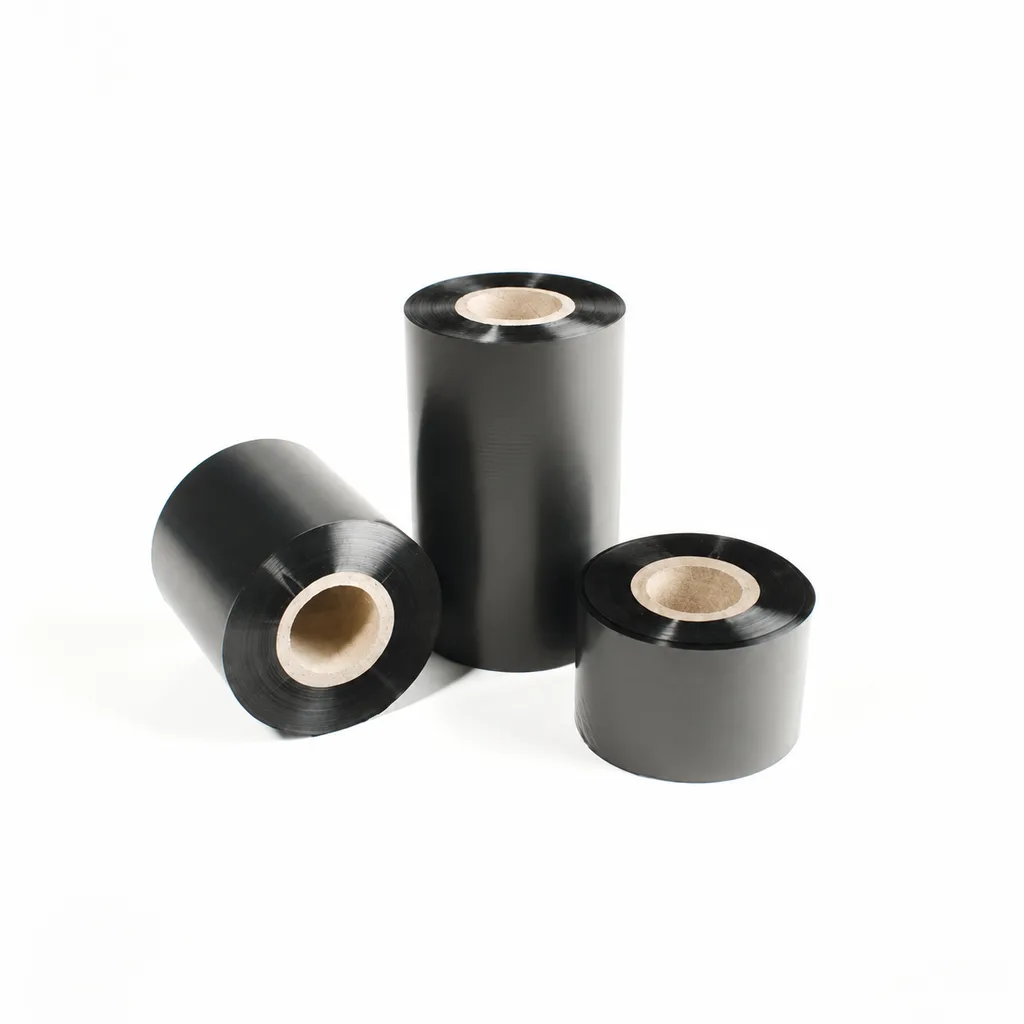
CL-Z112 Enhanced Wax Thermal Transfer Ribbon for Paper Labels and Tags
An enhanced wax thermal transfer ribbon with black ink for paper labels and tags used in retail, warehousing and logistics. It is specified for flat-head printing on desktop or industrial barcode printers at ≤8 inches per second (ips). Select it by checking the actual label material, printer configuration and handling conditions: image-quality, rub-resistance and cold-chamber results were obtained on coated paper, and print quality and image durability may vary with the printer and print medium.
View details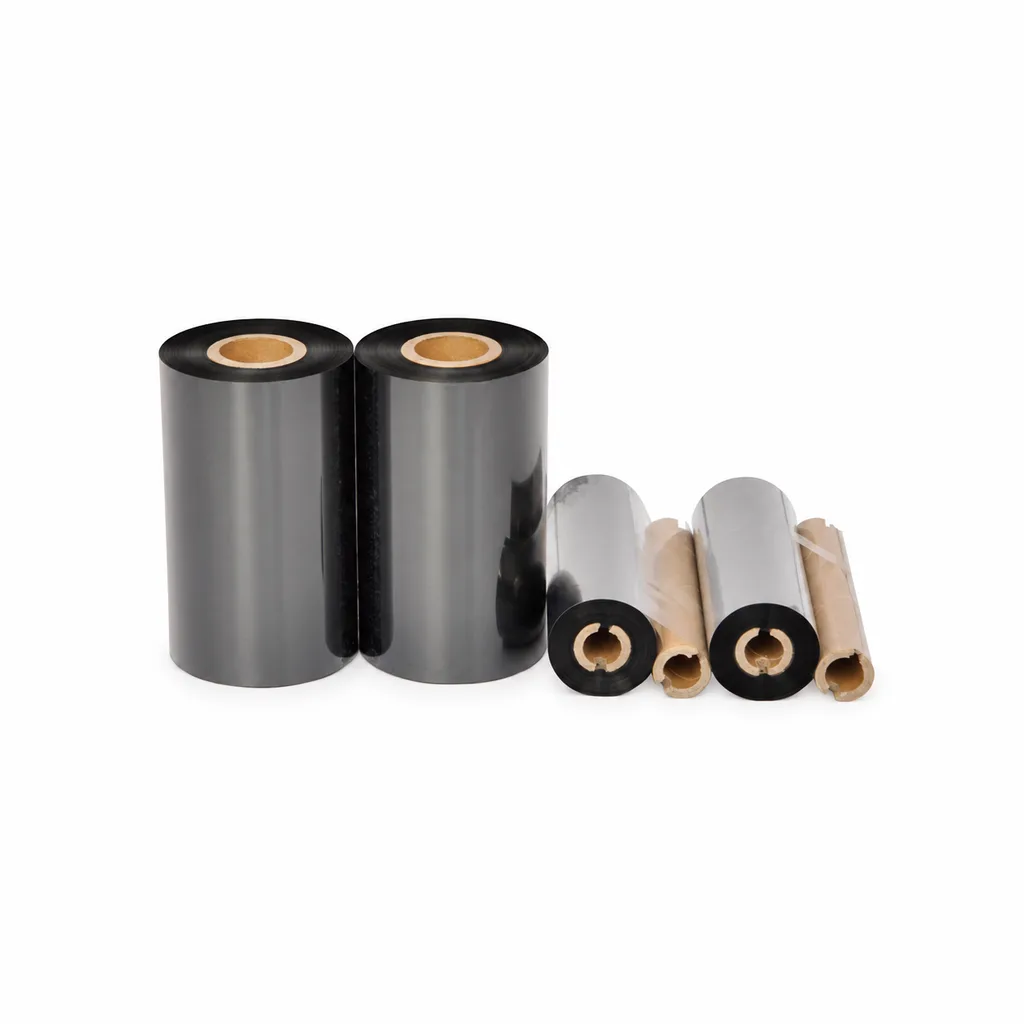
CL-Z908 Wax Thermal Transfer Ribbon for Barcode Labels and Tags
CL-Z908 is an economical black wax thermal transfer ribbon for label and tag printing. Listed applications include retail, warehousing, logistics, clothing tags, simple packaging and production line identification. It is intended for flat-head printing on desktop or industrial barcode printers at speeds of ≤6 inches per second (ips). Select it against your actual paper stock, printer and required image durability: print quality and image durability may vary with the printer and printing substrate.
View details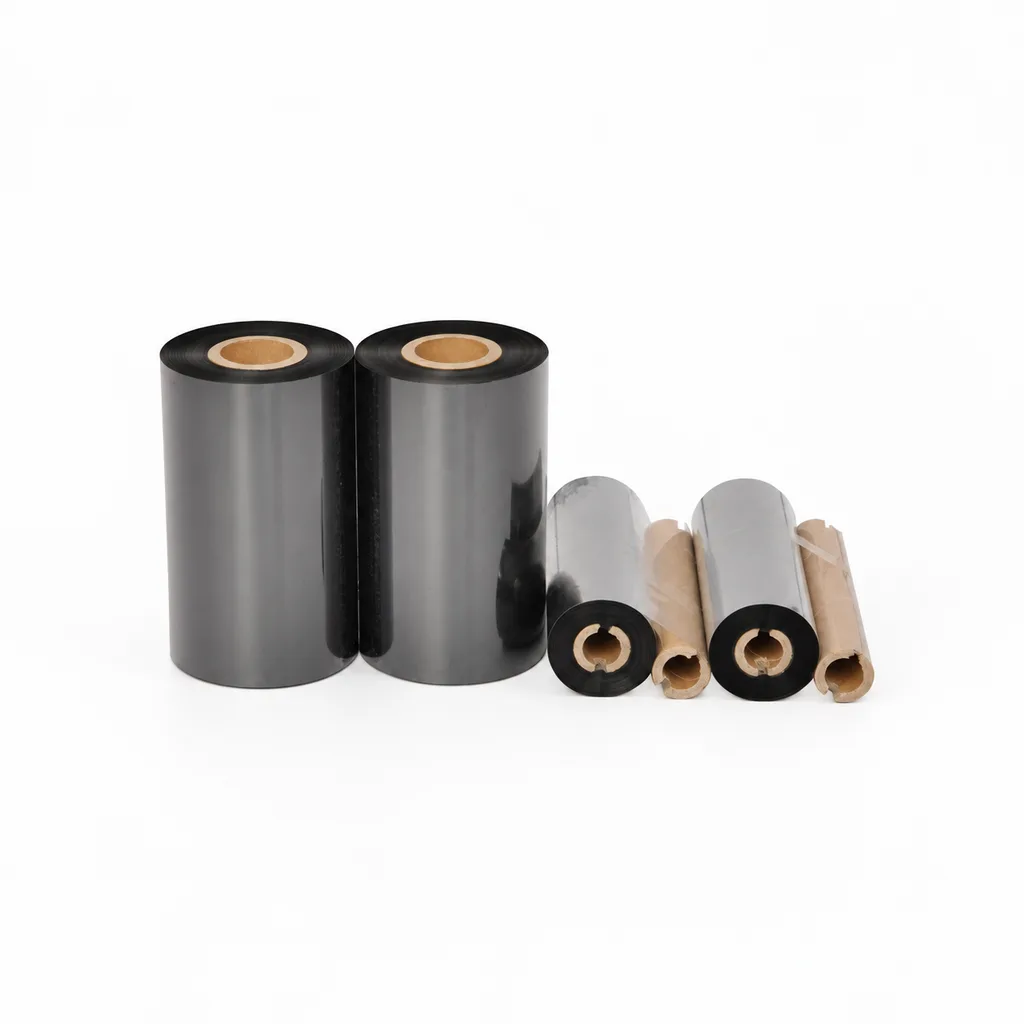
CL-Z908PLUS Wax Thermal Transfer Ribbon for Paper Labels
An economical black wax thermal transfer ribbon for flat-head printing of paper labels in retail, warehousing, logistics, simple packaging and production lines, with garment hangtags also listed as an application. The recommended printing speed is ≤8 inches per second (ips) on desktop or industrial barcode printers. Select it against your actual label material and printer: the material adaptability chart lists lower values for cardstock and hangtags, and print quality and image durability may vary with the printer and print medium.
View details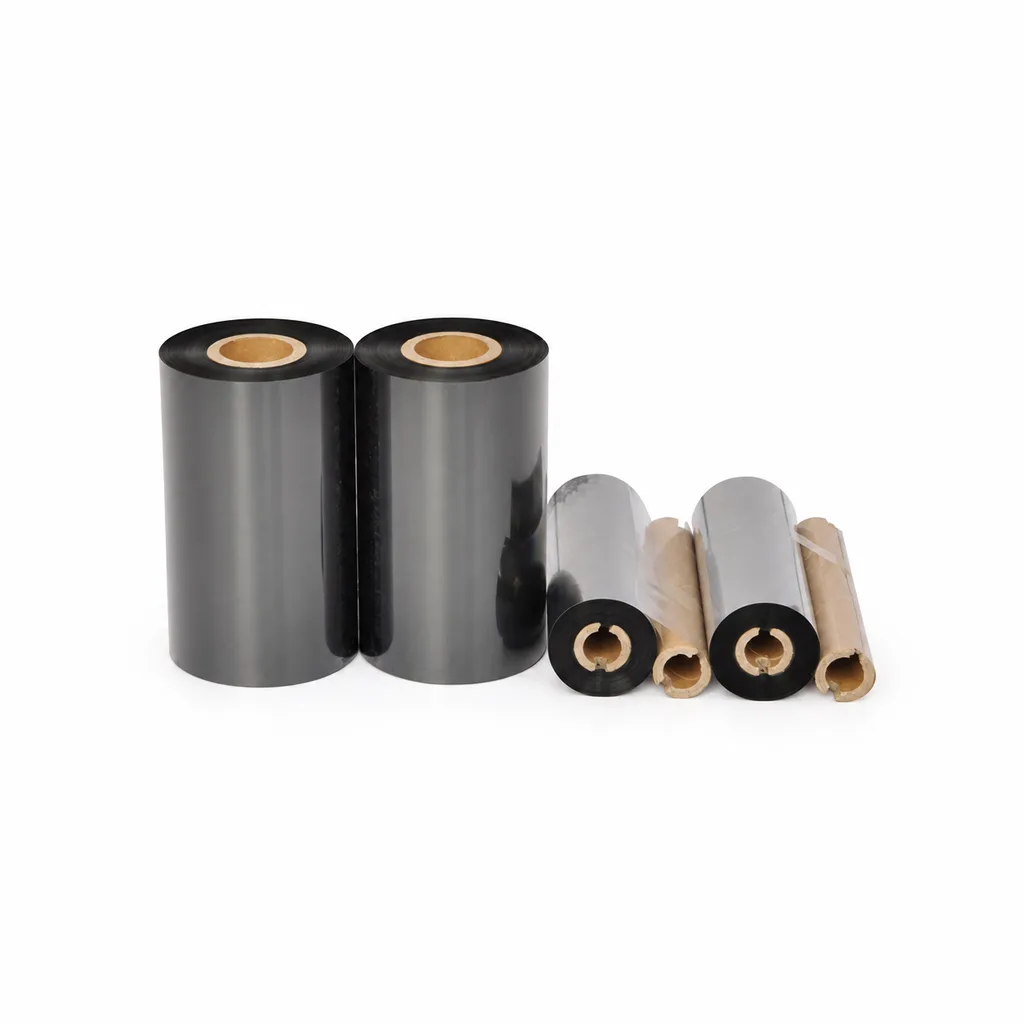
Enhanced Wax Thermal Transfer Ribbon for Paper Labels — CL-Z109
CL-Z109 is a black, abrasion-resistant enhanced wax thermal transfer ribbon for coated paper, uncoated paper and synthetic paper. Listed applications include retail, warehousing, logistics, garment hangtags, simple packaging and production-line identification. Select it for flat-head printing on desktop or industrial barcode printers at ≤6 ips (inches per second), and check the actual label material and handling conditions. Print quality and image durability can vary with the printer and print medium.
View detailsNeed the right ribbon for your label application?
Share the label material, printer and operating environment. Our team will recommend a tested combination.
