
Industrial Identification: Labels, Identifiers, and Printing Explained
Request a solution
- Original TTR manufacturer since 2013
- Automated coating and slitting
- IQC / IPQC / OQC control
- ANSI barcode grade testing
- -20°C to 120°C environmental testing
- Batch-level traceability
- ANSI barcode grade
- Batch traceability
- RoHS / REACH compliance
- SGS and MSDS documents on request
Industrial identification uses labels and marks to identify equipment or products and communicate essential information. For teams printing labels in-house, the key distinctions are what the identifier means, how it is carried, and how the image is produced. Select consumables against the actual printer and label material, then validate the printed construction under the intended conditions.
Key Takeaways
- Industrial labels commonly identify equipment or products and communicate critical safety information.
- A serial number identifies an individual item, while a batch number identifies a group made under the same conditions.
- Thermal transfer uses ribbon ink, whereas direct thermal printing uses specially treated label material.
- Ribbon performance must be validated with the actual facestock, printer, and settings.
Define the identification task before choosing a label
Industrial labels identify equipment or products and communicate critical safety information. In an in-house printing project, industrial identification therefore starts with the question the label must answer: which item is this, which batch does it belong to, or what must a person know before using it? Those questions establish the information requirement before anyone compares ribbon grades.
Industrial identification is the purpose of the marking project; the industrial label is one physical way to deliver it. Keep that distinction in the project brief. A request for an “industrial label” still needs an explanation of the object being identified and the information that must remain available.
Supply-chain management is another documented use of industrial labels. However, a label intended to identify equipment and communicate a warning should not be assessed only as a shipping identifier. For your own project, state whether the priority is item identity, batch identity, safety information, or a combination.
Write a short requirement before selecting consumables: “We will print this information on this stock, apply it to this surface, and check it under these conditions.” Treat this as a working brief rather than a finished material specification. It gives the printer operator, technical team, and purchasing team the same task to evaluate.
Separate identifier meaning from its physical carrier
A serial number identifies an individual product, while a batch number identifies products manufactured together under the same conditions. Every product in a batch shares its batch number. These identifiers answer different questions even when they appear together on one label.
The distinction matters when you prepare artwork or change a label supplier. If your requirement is to distinguish individual units, confirm that the field contains an individual serial number. If the requirement concerns a production group, confirm the batch field. Review the information before evaluating how dark or sharp the printed image looks.
A serial number can appear on a label, as a laser mark, in a Data Matrix code, or on an RFID tag. The carrier describes how the identifier is presented; the serial number describes the identity assigned to the item. Do not treat the choice of carrier as the decision about which information belongs in it.
Automatic reading is a separate question to put in the brief: what must the receiving device read, and what record should that reading retrieve? The presence of a code or tag alone does not document that connection. Keep the identifier, its carrier, and the intended record together in your approval notes, and ask the system owner to confirm their relationship before changing the label layout.
Understand where the printed image comes from
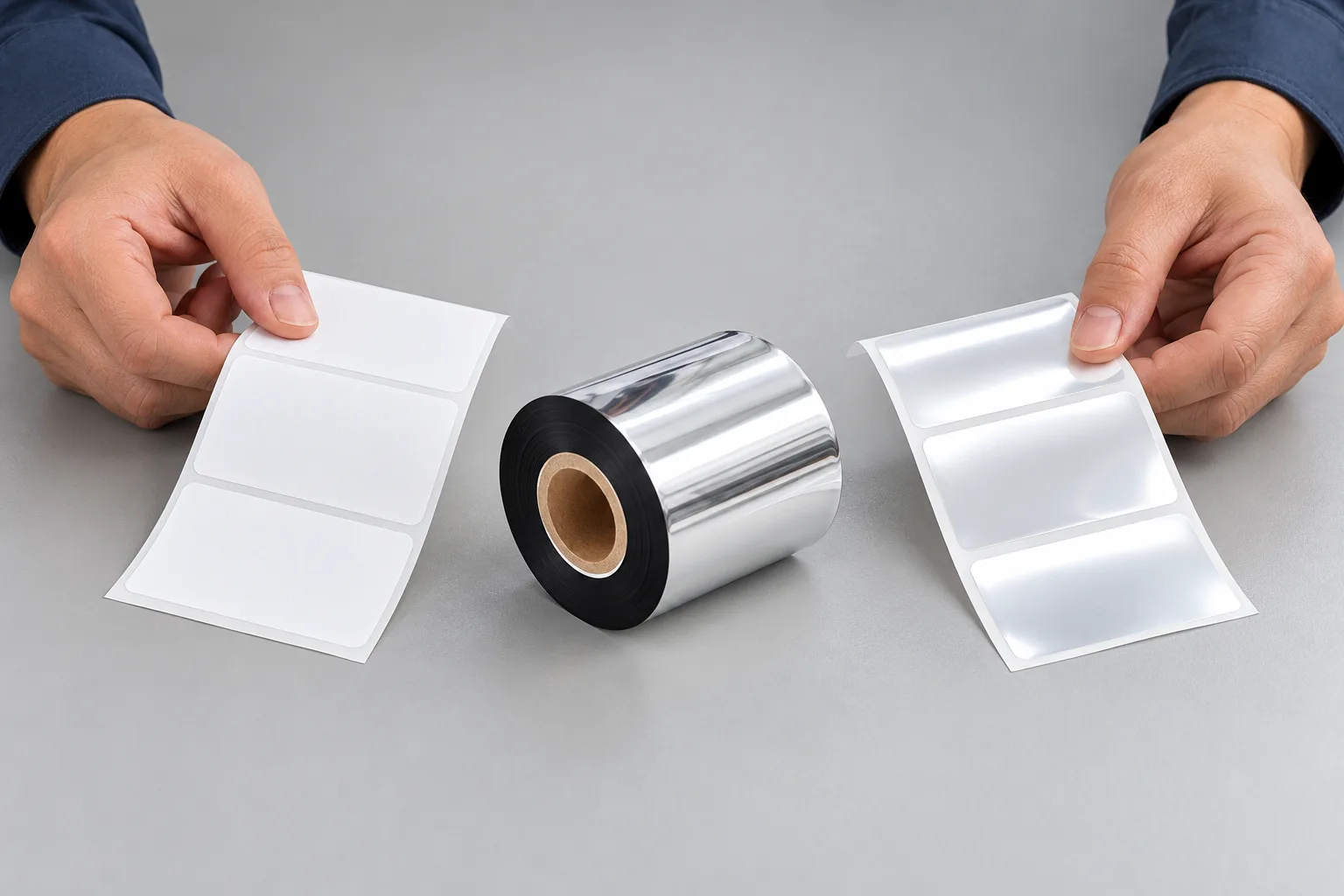
Thermal transfer printing uses heat from the printhead to transfer ink from a ribbon onto a label. Direct thermal printing applies heat directly to specially treated label material. These are printing methods, so neither term defines whether the information is a serial number, batch number, or warning.
That difference explains the first consumable question. For a thermal transfer job, identify both the ribbon and the label stock. For a direct thermal job, identify the treated stock and the selected print mode. COLORFULTTR's JT and Q printer compatibility reference lists both modes, with ribbon required for thermal transfer and no ribbon required for direct thermal.
Within thermal transfer, the ink formulation must suit the material and durability requirement. General guidance associates wax with porous and coated paper, wax/resin with coated paper and selected synthetics, and full resin with demanding synthetic films. These categories provide a starting point for a sample comparison; they do not establish the result for an unspecified stock.
Match ribbon formulation, width, core size, and roll length to the printer and label material. When switching suppliers, record those details alongside the stock already in use. This makes the comparison specific enough to review without turning an explanation of industrial identification into a list of unrelated printer models.

Know what compatibility and readability cannot prove
Ribbon performance belongs to the complete printed construction and must be validated on the actual facestock, printer, and settings. A statement that a printer accepts a ribbon category therefore leaves the application result to be checked. Keep equipment compatibility and printed-label approval as separate decisions.
The facestock is only the starting point: ribbon formulation, printer architecture, print settings, and required durability also affect the final choice. For adhesive labels, evaluate samples using the same material construction and application surface. Temperature cycling, chemical contact, and surface energy can change adhesion.
A successful barcode scan also has a limited meaning. A scanner decodes the symbol and may read a marginal one; a barcode verification grade assesses print quality against the applicable ISO standard. If a customer requires verification, obtain the applicable requirement before agreeing acceptance. Do not invent a universal grade for every industrial identification label.
When a sample fails, describe the failed check precisely. Separate incorrect information from an unreadable symbol, and separate image damage from a label lifting off its surface. Recheck the information requirement for the first problem and the recorded printing or material combination for the others. These are review branches, not a diagnosis that a particular ribbon caused every failure.
Data and Evidence
The JT and Q compatibility reference lists specific media and ribbon support, while the application evidence requires validation of the finished combination. Use the distinctions below to decide what evidence belongs in an approval record.
| Question | Supported information | What to check for your job |
|---|---|---|
| What does the identifier mean? | Serial numbers identify individual items; batch numbers identify production groups. | Compare the printed field with the intended item or batch record. |
| Where does the image come from? | Thermal transfer uses ribbon; direct thermal uses treated stock without ribbon. | Confirm the selected print mode and installed consumables. |
| Which ribbon families are listed? | JT and Q references list wax, wax/resin, and resin support. | Check the exact printer specification and proposed stock. |
| Can TTO ribbon be used in those printers? | The JT/Q reference excludes TTO near-edge ribbon from both series. | Confirm printer architecture before comparing ribbon formulations. |
| Does a printed sample meet the application? | Performance requires validation on the actual facestock, printer, and settings. | Retain the sample and the conditions used to assess it. |
Printer evidence: 公司打印机介质兼容性与材质规格(已审第一方来源), covering the JT and Q series. The distinctions about identifiers, image formation, and validation draw on the supplied references titled Serial numbers, batch number, Thermal transfer ribbons, Direct thermal printing, and Ribbon performance.
Your next step is to prepare one approval sheet containing the required identifier fields, exact printer, print mode, stock, proposed ribbon specification, and intended exposure conditions. Print the final layout on production stock and document the checks before approving a consumable change.
Frequently Asked Questions
Can I keep a batch number when my industrial label also needs a serial number?
Yes. Manufacturing processes can use batch numbers for incoming materials and serial numbers for finished products. Keep the batch identity and individual item identity distinct in the label data.
Does choosing RFID determine the serial number for an industrial product?
RFID is one listed carrier for an individual product's serial number. Specify the identifier separately from its carrier and confirm the intended item record with your system owner.
Can a darkness adjustment fix a ribbon that does not match my label surface?
A darkness adjustment rarely rescues a mismatch between ink and surface. Review the ribbon and stock combination, then validate it on your printer with recorded settings.
Recommended products for this industry
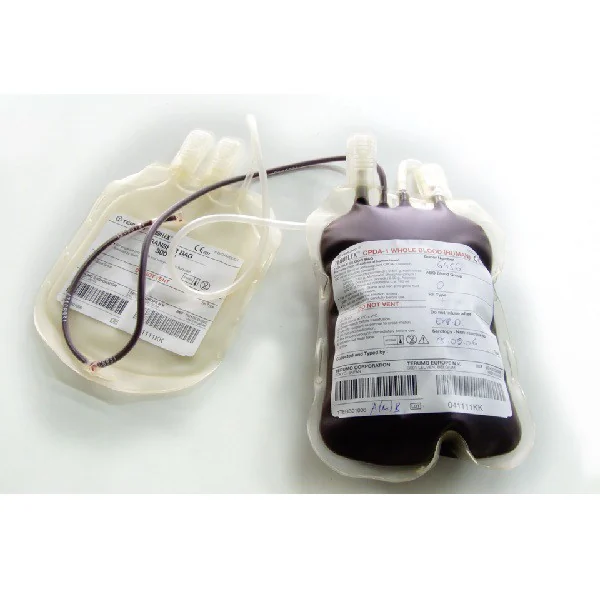
Blood Bag Identification Label
Cold-storage label for blood bags and transfusion containers where traceability remains…
View details
Cable Wrap and Outdoor Identification Label
Vinyl cable-wrap label for outdoor cables, harnesses and power infrastructure exposed to…
View details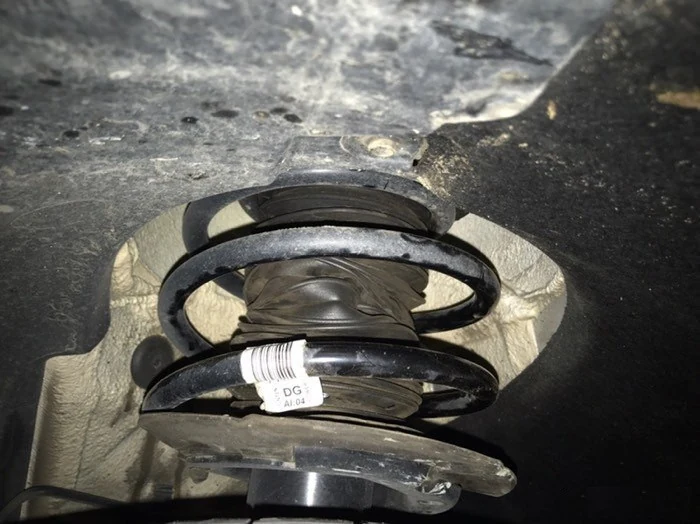
Chemical-Resistant PET Identification Label
Durable PET label for asset, rating-plate and component identification exposed to oils…
View details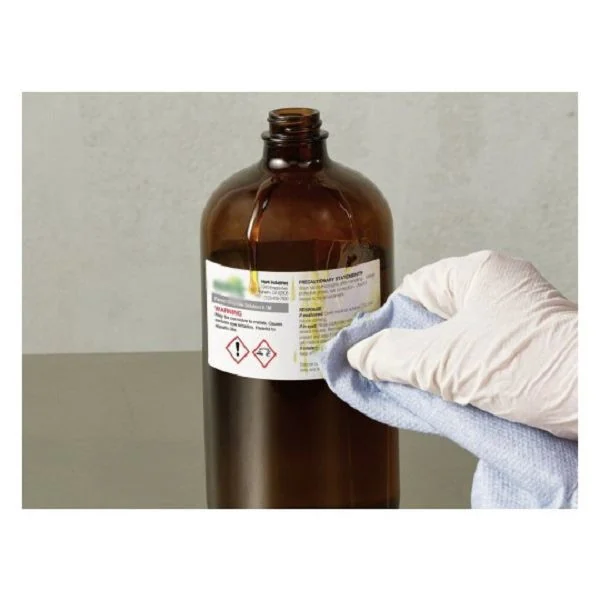
GHS Chemical Identification Label
Chemical-resistant label facestock for GHS hazard communication on containers, drums and…
View detailsNeed the right ribbon for your label application?
Share the label material, printer and operating environment. Our team will recommend a tested combination.
