
Wax Ribbon vs Resin Ribbon: How to Choose the Right Thermal Transfer Ribbon
Request a solution
- Original TTR manufacturer since 2013
- Automated coating and slitting
- IQC / IPQC / OQC control
- ANSI barcode grade testing
- -20°C to 120°C environmental testing
- Batch-level traceability
- ANSI barcode grade
- Batch traceability
- RoHS / REACH compliance
- SGS and MSDS documents on request
Key Takeaways
- Wax ribbon transfers at low print energy and is the economical choice for paper labels in packaging, warehouse and general manufacturing coding.
- Resin ribbon needs higher print energy and resists abrasion, chemicals and heat far better on synthetic films such as PET.
- Wax/resin blend ribbon splits the difference on price and durability, suiting food packaging date coding and mixed paper-and-film lines.
- True cost combines roll price, print head wear and the rework cost of failed labels, so the cheapest roll is not always the cheapest outcome.
- When switching ribbon types, reset temperature, speed and pressure, print a sample batch, verify scan quality and abrasion resistance, then release volume.
Wax Ribbon vs Resin Ribbon: Quick Comparison
The difference between a wax ribbon and a resin ribbon starts in the ink layer: wax-based ink melts and transfers under low print energy, while resin-based ink needs more heat to bond and cures into a harder printed image. Use the table as a first screen, then read the two profiles for the reasoning.
| Property | Wax Ribbon | Resin Ribbon |
|---|---|---|
| Ink base | Wax-based ink | Resin-based ink |
| Print energy needed | Low | High |
| Scratch and abrasion resistance | Basic, enough for short-term labels | Strong, for labels rubbed in service |
| Chemical and solvent resistance | Limited | Strong |
| Heat resistance | General coding; a high temperature wax grade extends the range | High, suited to demanding processes |
| Best label materials | Paper labels | Synthetic films such as PET and PVC |
| Typical applications | Packaging date coding and general product labeling | Durable marking, date and QR code printing on films |
| Relative roll price | Lower | Higher |
| Impact on the print head | Low energy runs gently | Higher heat adds head wear over time |
What Is a Wax Ribbon?
A wax ribbon carries an ink layer based on wax, which melts readily and transfers at low print energy, so the print head runs gently and the roll is inexpensive. That makes wax the default for high-volume date coding on paper labels in packaging and general manufacturing. Our product records show the same positioning: premium wax TTO ribbon is listed in 33mm width and 600m rolls, including a high temperature wax grade, and wax entries include 24mm width rolls, the 40/50/60/70/80/90/100*300mm size family and a 60mm Width *300m Length carbon ribbon. The limit is durability: wax images smear under friction and hold poorly against solvents, so they suit labels with a short, dry life.
What Is a Resin Ribbon?
A resin ribbon uses resin-based ink that demands more print energy, but once transferred it bonds tightly to film substrates and resists abrasion, solvents and heat far better than wax. That makes resin the grade for labels that are wiped with cleaning agents, rubbed against machinery or exposed to warm processes. Our records list premium resin near edge TTO ribbon in 33mm*600m for MARKEM, VIDEOJET and DOMINO printers, plus an edge-pressed TTO resin ribbon for date and QR code printing. The trade-offs are price and heat: resin rolls cost more and run hotter, which consumes print head life, so resin on a short-life paper label spends money in the wrong place.
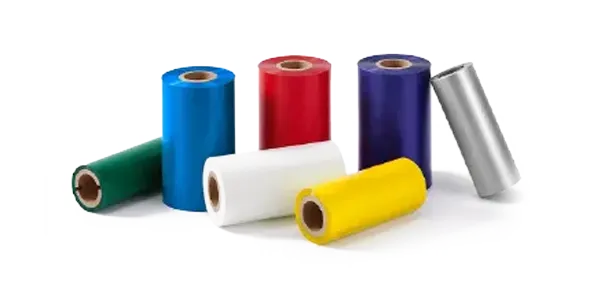
How to Choose: Match the Ribbon to Your Label Material and Environment
The fastest route to a decision is a two-step screen: identify the label material, then list every condition the printed label must survive.
Start with the substrate. Paper labels pair naturally with wax or a wax/resin blend, while synthetic films call for resin: near edge TTO ribbon entries in our records are listed for PET/PVC sticker printing, and a 26mm*200m TTO heat transfer ribbon is described as PET material ribbon. Films are what resin is formulated to grip.
Then weigh the environment. Friction in handling, contact with solvents or cleaning agents, ambient heat, outdoor weather and the required label lifetime all push the choice upward from wax toward resin. If several of these conditions are aggressive, start at resin; if only one is moderate, a blend may carry the job at a lower price.
Treat the wax/resin blend as a real third option, not a stopgap. Our records include a wax/resin general premium grade TTO thermal transfer ribbon for food packaging date printing, a wax/resin date coding ribbon listed with friction and corrosion resistance, and a high-speed mixed wax resin TTO ribbon in 55mm x 600m for mainstream packaging lines.
| Your scenario | Start with |
|---|---|
| Short-life paper labels, dry indoor use, packaging and warehouse coding | Wax ribbon |
| Food packaging date coding, moderate handling on paper or film | Wax/resin blend ribbon |
| Synthetic film labels facing abrasion, solvents, heat or outdoor exposure | Resin ribbon |
| Wash care and textile labels printed in white | White wax/resin ribbon |
| Date and QR code marking on film at high speed | Edge-pressed resin or premium blend ribbon |
True Cost Comparison: Price per Roll Is Not the Whole Story
A fair wax-versus-resin comparison adds three cost lines, because ribbon choice drives print head wear and the price of failed labels, not just the consumable.
Roll price is only the first line: wax costs less per roll, resin more, blends sit between. The second line is the print head. Heat is what ages a head, and resin runs hotter, so savings on a cheaper roll can reappear as a higher head replacement bill when the ribbon is mismatched to the job. The third line is failure: a code that smears under solvent wiping forces relabeling and reprints, and one rejected batch can erase a year of savings on roll price.
One habit from the factory floor protects the head under any ribbon: keep the ribbon slightly wider than the label plus its backing liner, so the print head never rides on exposed adhesive or liner edges. Judge grades on the full three-line total, and resin tends to win exactly when the environment is harsh enough to justify it.

Switching from Wax to Resin: Printer Settings and Verification Checklist
Switching from wax to resin changes how the printer must run, so treat the change as a qualified process, not a drop-in swap.
- Reset the print variables. Resin needs more heat than wax, and usually a review of speed and pressure; adjust on the machine with the new ribbon loaded.
- Print a small sample batch on the exact label material the job will use, not on a convenient substitute stock.
- Verify the sample: confirm barcode scan quality with your scanner or verifier, and rub the printed image against the friction and solvents it will meet in service.
- Release volume only after the sample passes, and record the settings that passed for that ribbon and label pair.
Three failure points recur on switchovers: heat too low, so resin sits on the surface and wipes away; heat too high, which shortens print head life; and a whole batch switched with no sample verification. The four steps above catch each one while it is still cheap.
Data and Evidence
The guidance above rests on the ribbon grades documented in our product records; the table lists representative entries with their exact listed formats.
| Ribbon grade | Listed formats | Notes from the records |
|---|---|---|
| Premium wax TTO | 33mm, 600m; 40/50/60/70/80/90/100*300mm; 60mm Width *300m Length | Includes a high temperature wax grade; wax entries also run in 24mm width |
| Wax/resin blend | 55mm x 600m; 33mm x 700m; 34mm X 650m; 55MM*1100M | General premium grade for food packaging date printing; high-speed mixed-base entries; expiry date barcode ribbon |
| Resin near edge TTO | 33mm*600m; 55x70m | Listed for MARKEM/VIDEOJET/DOMINO printers; edge-pressed grade for date and QR code printing |
| Specialty entries | 26mm*200m PET material ribbon; white wax/resin wash care ribbon; metallic resin ribbon | Customized wax and color ribbons; custom size resin with 0.5"/1" core size |
Format rarely has to limit the grade decision: the records also include customized thermal transfer wax ribbon, customized color ribbons and custom size resin with 0.5"/1" core size, so settle wax versus resin on performance first and specify width, length and core afterward.
Frequently Asked Questions
Is wax ribbon always cheaper than resin ribbon in the long run?
No. Wax rolls cost less, but a full comparison adds print head wear and the cost of failed labels. When a wax-printed code smears in service and forces relabeling or a claim, the cheaper roll becomes the more expensive outcome; resin earns its price wherever the label meets friction, solvents or heat.
Can I print resin ribbon on paper labels?
It is usually a mismatch rather than an impossibility. Resin is formulated to bond with synthetic films, and most paper labels never need that durability, so you pay resin prices for wax-grade work. If a paper label genuinely faces solvents or abrasion, test a wax/resin blend or resin sample on that exact paper before deciding.
Which ribbon should I choose for outdoor or chemical exposure?
Start with resin on a synthetic film such as PET or PVC, because resin ink stands up to abrasion, solvents and heat far better than wax. For moderate exposure, a wax/resin date coding ribbon listed for friction and corrosion resistance may be enough. Confirm with a sample that faces the actual chemicals and weather involved.
When should I choose a wax/resin blend instead of pure wax or resin?
Choose a blend when paper labels see more handling than wax can take but the job does not justify resin pricing; food packaging date coding is the classic case. Blends also run at lower print energy than resin, which eases print head load, and our records include high-speed mixed wax resin TTO grades in 55mm x 600m for mainstream packaging lines.
Do I need to change printer settings when switching from wax to resin ribbon?
Yes. Resin transfers at higher print energy, so temperature, speed and pressure all need review. Reset the variables, print a sample batch, verify scan quality and rub resistance, then release volume; before the next order, request ribbon samples in your exact width and label material so the approved settings carry over.
Recommended products for this industry
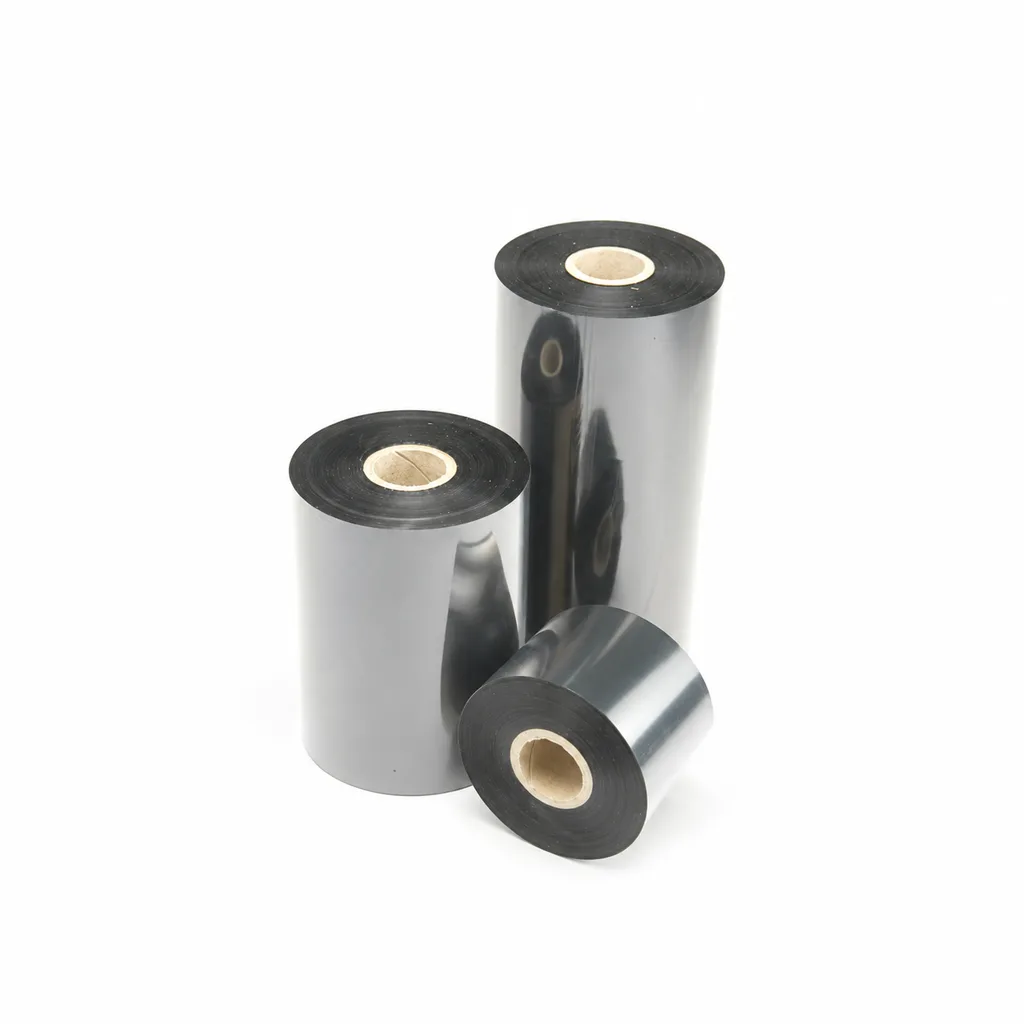
CL-Z203 Wax-Resin Thermal Transfer Ribbon for Barcode Labels
A black wax-resin thermal transfer ribbon for flat-head printing, with listed applications including retail, warehousing, logistics and garment tags. Select it against your actual label material and desktop or industrial barcode printer at speeds ≤6 ips (inches per second). Fine-line, small-text and durability results were obtained on coated paper; print quality and image durability may vary with the printer and printing substrate.
View details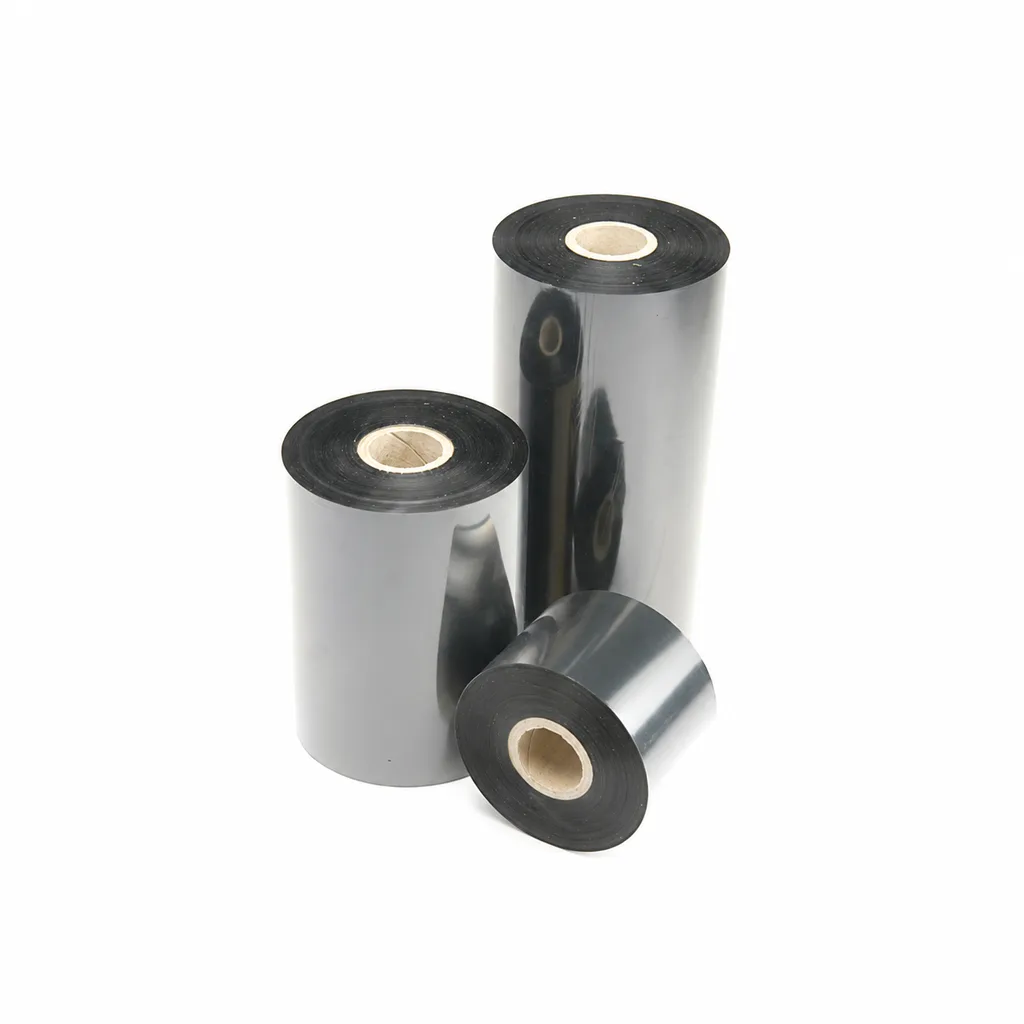
CL-Z213 Near-Edge Wax-Resin Thermal Transfer Ribbon for Barcode Labels
An enhanced black near-edge wax-resin thermal transfer ribbon for near-edge barcode printers and low- to medium-speed thermal transfer overprinting (TTO). Listed applications include retail labels, warehousing, garment tags and packaging identification. Match the printer, actual print medium and operating speed before selection: print quality and image durability can vary with the printer and substrate.
View details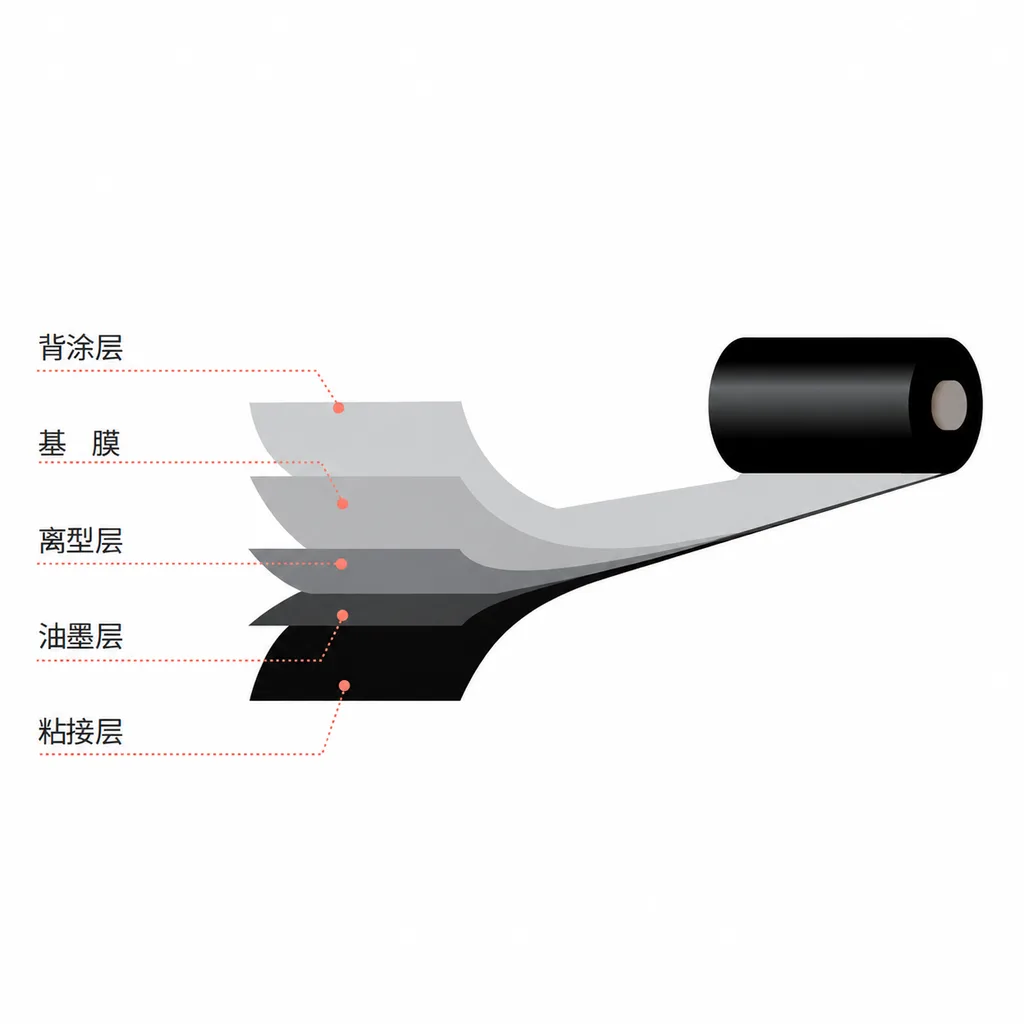
CL-Z312 Resin Thermal Transfer Ribbon for Packaging Printing
CL-Z312 is a black, general-purpose resin ribbon for thermal transfer overprinting (TTO), with packaging and retail label applications listed in the product information. Its abrasion, alcohol and oil resistance data were obtained on polyethylene terephthalate (PET). Select it against your actual packaging material, printer and production speed: print quality and image durability can vary with the printer and substrate, and the material chart percentages are not defined as pass rates.
View details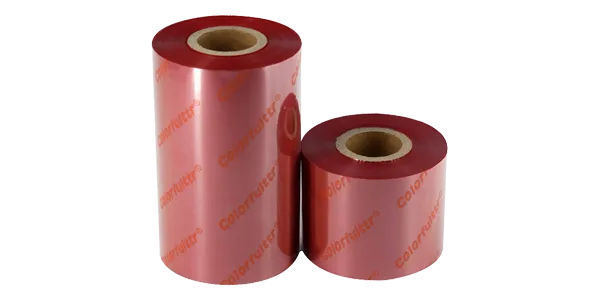
High-grade wax resin thermal transfer ribbon
Premium wax-resin thermal transfer ribbons are specifically engineered for diverse…
View detailsNeed the right ribbon for your label application?
Share the label material, printer and operating environment. Our team will recommend a tested combination.
