
Automotive Labeling Solutions Explained: What the Term Means for Thermal Transfer Printing | COLORFULTTR
Request a solution
- Original TTR manufacturer since 2013
- Automated coating and slitting
- IQC / IPQC / OQC control
- ANSI barcode grade testing
- -20°C to 120°C environmental testing
- Batch-level traceability
- ANSI barcode grade
- Batch traceability
- RoHS / REACH compliance
- SGS and MSDS documents on request
This explainer defines automotive labeling solutions for thermal transfer printing: the matched combination of ribbon chemistry, label material, and printer settings that keeps VIN, parts, and under-hood codes readable through heat, oils, and solvents. It separates the term from general industrial labeling, maps hybrid and resin ribbons to specific vehicle areas, and states what catalog specifications cannot promise. Every factual statement below comes from the COLORFULTTR wax, hybrid, and resin product catalogs.
Key Takeaways
- Automotive labeling solutions describe a matched system of ribbon, synthetic label stock, and printer settings, not one off-the-shelf product.
- Full resin ribbons carry the demanding vehicle areas: CL310A covers automotive VIN labels and parts identification, and CL320A covers under-hood components.
- Hybrid ribbon CL220A is rated for automotive interior parts labeling, including 70% isopropyl alcohol wipes and a -20°C to 80°C range.
- Catalog resistance values describe ribbon capability under the stated conditions; they are not vehicle-maker approvals, and UL recognition on CL320A is available only on request.
What Automotive Labeling Solutions Means in Thermal Transfer Printing
In thermal transfer printing, the phrase "automotive labeling solutions" points to a working combination rather than a single product: the ribbon, the label stock it prints on, and the printer settings that transfer the ink, all chosen so the printed code stays readable for the life of the marked part. Buyers meet the term when a vehicle-industry requirement asks for more than a standard logistics label can deliver.
The term spans several recurring jobs, and durability decides the routing. Vehicle identification number (VIN) labels and permanent parts identification sit at the top of the range; both appear among the recommended applications of CL310A, the catalog's standard full resin ribbon. Interior trim and cabin parts face cleaning agents and handling rather than engine heat, so they move to the chemical-resistant hybrid CL220A. Under-hood components meet the harshest mix of heat and fluids, which the premium resin CL320A is engineered to serve.
The common thread is permanence on synthetic materials. The catalog describes CL310A ink as bonding permanently to PET, PP, PVC, and other synthetics, and that adhesion is what keeps a code on the part instead of flaking off in handling.
How Automotive Labeling Differs from General Industrial Labeling
The fastest way to size up the term is to compare it with the labeling most plants already run. Wax ribbons are the most economical thermal transfer option and suit general purpose applications where extreme durability is not required, such as logistics and warehouse labels on paper. Hybrid ribbons combine wax and resin properties for balanced print quality and durability, covering work-in-process tracking and similar mid-range duties that need moderate scratch and moisture resistance.
Automotive labeling moves past that point in two ways. First, the substrate changes: the label is usually a synthetic such as PET, PP, or PVC rather than paper, and on PET and PVC the compatibility chart marks the wax grades "No", rates CL210A only "Fair", and rates CL220A "Good". Second, the failure cost changes. A faded logistics label costs a reprint; an unreadable VIN or parts code breaks traceability, so the ribbon is selected for chemical and heat resistance first and price second.
The same split repeats inside the automotive category. Interior parts labeling appears under CL220A, which is specified for synthetic paper, PP, PET, PVC, and coated paper. VIN labels and parts identification appear under CL310A. Under-hood components appear under CL320A. Locating which zone a part lives in is therefore the first decision, before any supplier or price comparison.
Why Vehicle Environments Push Labeling Toward Resin Ribbons
The requirements come from where the label spends its life. Under the hood, a label meets engine fluids and sustained heat: CL320A performs from -50°C to 150°C continuously, tolerates 280°C short term, and withstands MEK, acetone, xylene, fuels, oils, brake fluid, and strong cleaners. The catalog positions this grade as engineered for the most demanding industrial environments and meeting automotive and aerospace industry standards.
Elsewhere on the vehicle the stress is lower but still beyond paper-label territory. CL310A performs from -40°C to 120°C, with short-term tolerance to 180°C, and its chemical resistance covers alcohols, oils, fuels, and mild acids. Its ink stays legible for more than two years in outdoor exposure, which matters for parts that ship and wait outdoors before assembly. Cabin parts see cleaning agents, hand contact, and cabin heat rather than solvents at full strength, so the hybrid CL220A with its -20°C to 80°C range and its resistance to 70% isopropyl alcohol wipes is the catalog's fit for that zone.
One printer-side consequence follows from this chemistry: resin ink needs more transfer energy. CL310A runs on all flat head thermal transfer printers, but the catalog advises printers capable of higher energy settings for best results, so an existing fleet may need setting changes rather than only a ribbon swap.
What Catalog Data Cannot Tell You About an Automotive Label
Reading a catalog line as a compliance certificate is the main mistake to avoid when this term appears in a requirement. The figures above describe the ribbon's capability under the catalog's own stated conditions, such as chemical lists, temperature ranges, and scratch ratings. They are not approvals from any vehicle maker, and they do not transfer automatically to your label stock, your printer, or your process.
Recognition marks follow the same rule. UL recognition on CL320A is available on request, so a specification that calls for it must say so at order placement.
Recommended settings are equally conditional. Catalog darkness and speed figures are starting points for a ribbon family, not universal settings for every printer, and the resin grades expect a printer able to deliver higher energy. The compatibility chart shows which pairings the supplier endorses, but the practical acceptance test is a printed sample on your own printer with your own label rolls before a production order.
Finally, application lists are guidance on durability zones, not a promise that one ribbon covers every automotive job. A supplier switch or a new part family should restart the matching exercise: ribbon chemistry to vehicle area, then label material, then printer settings.
Data and Evidence
The table below collects the catalog specifications that drive the zone-by-zone matching described above, so you can compare grades in one place.
| Ribbon | Chemistry | Automotive use in catalog | Temperature range | Chemical resistance |
|---|---|---|---|---|
| CL220A | Wax/resin hybrid, increased resin content | Automotive interior parts labeling | -20°C to 80°C | 70% isopropyl alcohol wipes, mild detergents, oils |
| CL310A | 100% resin | Automotive VIN labels and parts identification | -40°C to 120°C (short term 180°C) | Alcohols, oils, fuels, mild acids |
| CL320A | Premium resin | Automotive under-hood components | -50°C to 150°C continuous; 280°C short term | MEK, acetone, xylene, fuels, oils, brake fluid, strong cleaners |
All values are supplier catalog data from the COLORFULTTR wax and wax-resin product catalog and the COLORFULTTR resin, TTO and color ribbon product catalog, not independent test results. To verify for your own line, request the current datasheet for the exact grade, print a sample on your production printer with the intended label stock, and expose the print to the fluids and temperatures your parts actually see.
Frequently Asked Questions
What are automotive labeling solutions in thermal transfer printing?
They are the matched system of ribbon, label material, and printer settings that keeps vehicle-related codes readable through heat, oils, and solvents. Resin grades such as CL310A and CL320A carry VIN labels, parts identification, and under-hood duties, while the hybrid CL220A covers interior parts.
Which thermal transfer ribbon should I use for under-hood automotive parts exposed to brake fluid and 150°C heat?
CL320A is the catalog's match for under-hood components. It performs from -50°C to 150°C continuously, tolerates 280°C short term, and withstands MEK, acetone, xylene, fuels, oils, brake fluid, and strong cleaners.
Can a hybrid ribbon like CL220A handle automotive interior parts labeling?
Yes. CL220A is a wax/resin hybrid whose recommended applications include automotive interior parts labeling, with a -20°C to 80°C temperature range and resistance to 70% isopropyl alcohol wipes, mild detergents, and oils.
Does catalog temperature and chemical resistance mean the ribbon is approved by vehicle OEMs?
No. The figures describe the ribbon's capability under the catalog's stated conditions; they are not vehicle-maker approvals and do not automatically transfer to your label stock, printer, or process. Validate with a printed sample under your real conditions before a production order.
Is UL recognition included with automotive resin ribbons by default?
No. UL recognition on CL320A is available on request, so a specification that requires it must state that when ordering.
Related Products & Guides
Recommended products for this industry
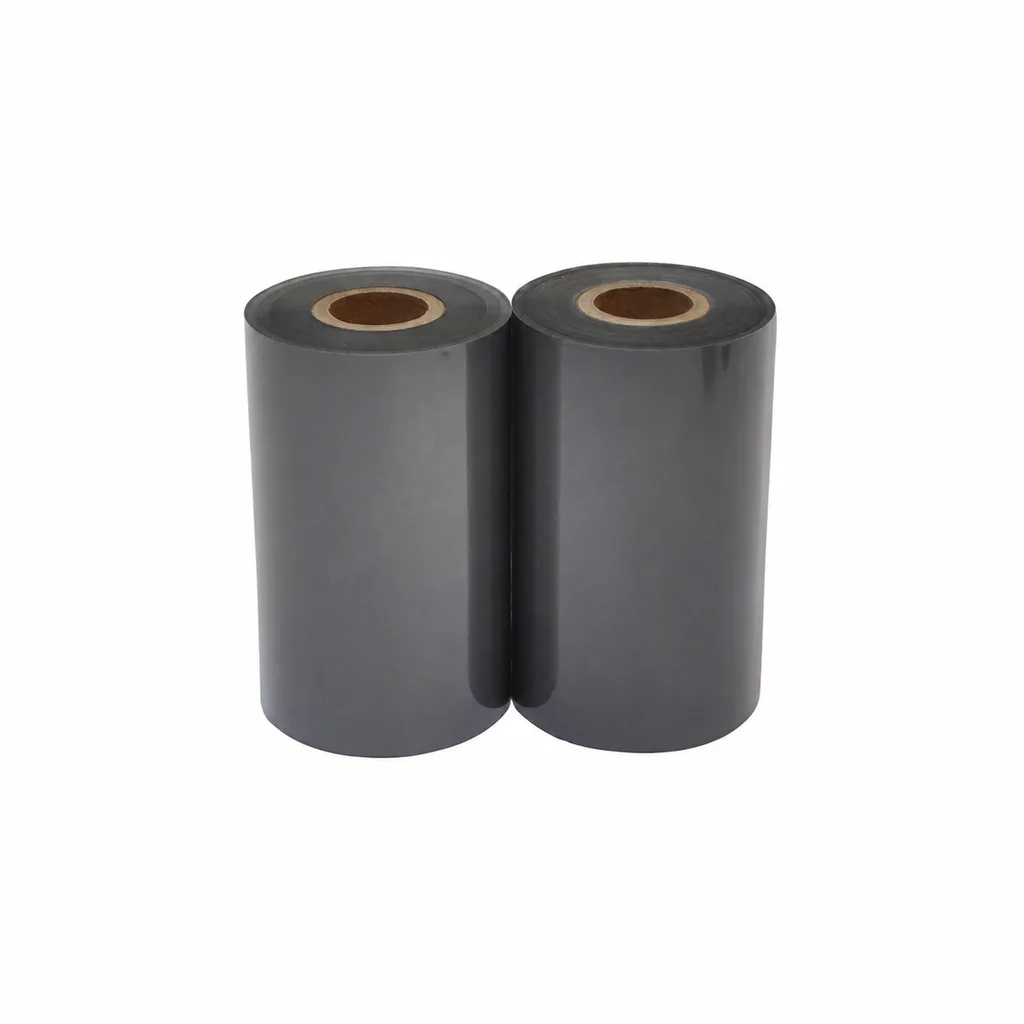
Black Resin Thermal Transfer Ribbon for Label Printing - CL-Z373
CL-Z373 is a black resin thermal transfer ribbon for label printing with desktop or industrial flat-head barcode printers at speeds of ≤6 ips (inches per second). Listed applications include electronics processing, tire identification, automotive manufacturing, pharmaceutical packaging, cosmetic labels and outdoor identification. Selection depends on the actual label material, printer and exposure conditions. Fine-line, small-character and resistance results were obtained on coated paper; print quality and image durability may vary with the printer and print substrate.
View details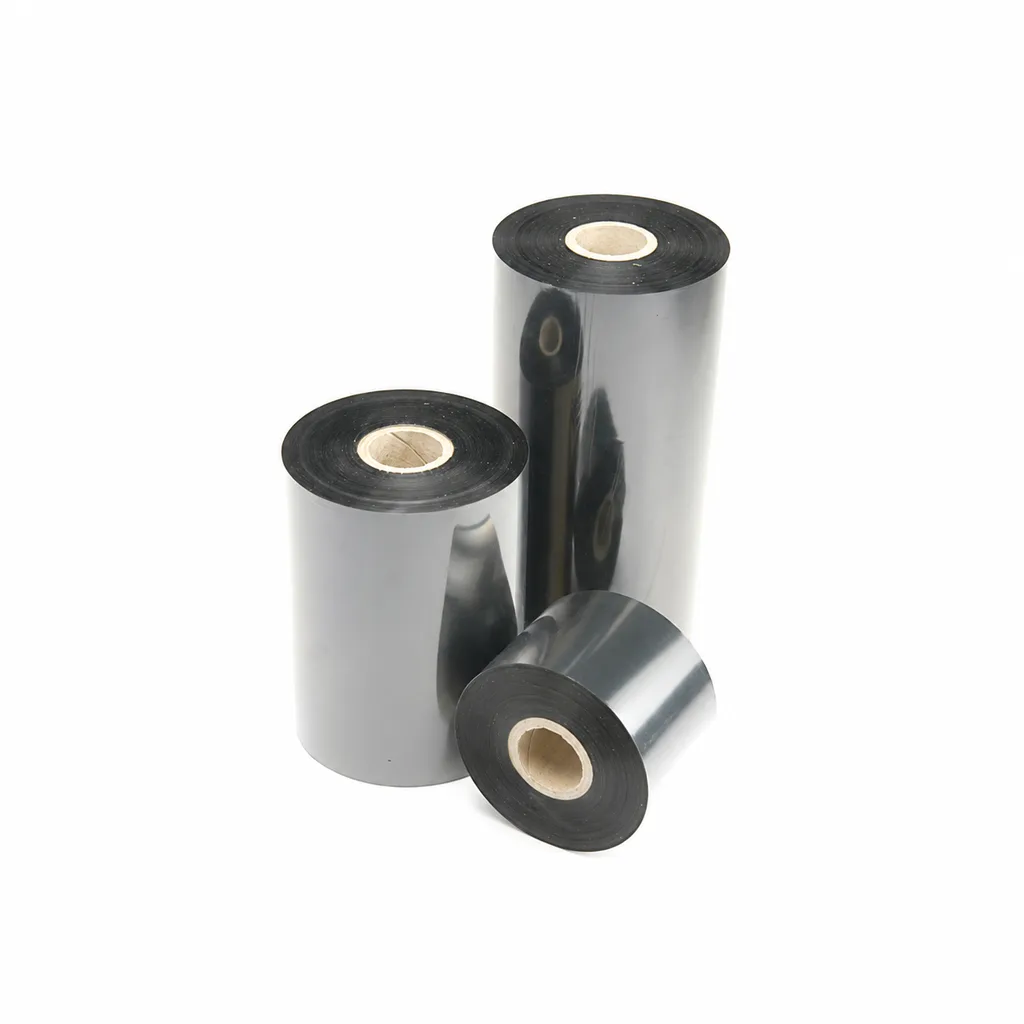
CL-Z213 Near-Edge Wax-Resin Thermal Transfer Ribbon for Barcode Labels
An enhanced black near-edge wax-resin thermal transfer ribbon for near-edge barcode printers and low- to medium-speed thermal transfer overprinting (TTO). Listed applications include retail labels, warehousing, garment tags and packaging identification. Match the printer, actual print medium and operating speed before selection: print quality and image durability can vary with the printer and substrate.
View details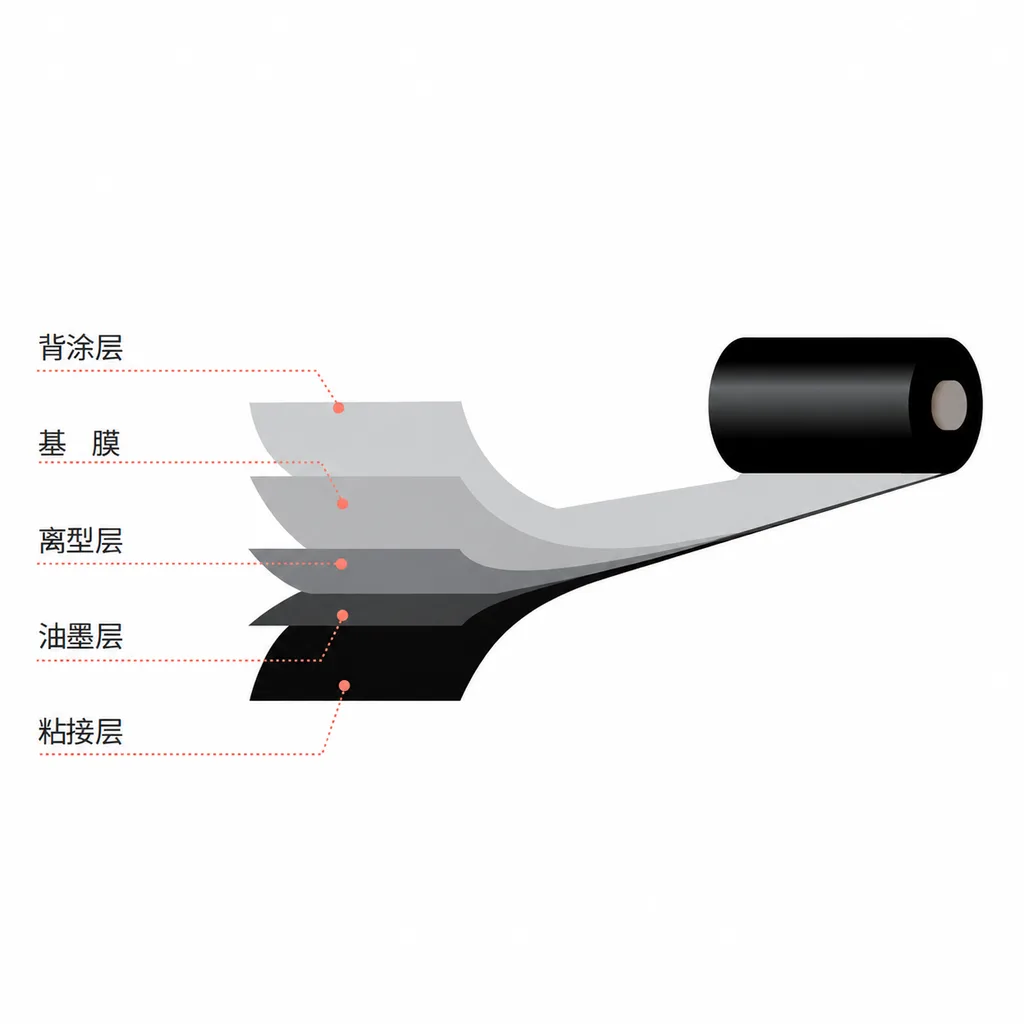
CL-Z312 Resin Thermal Transfer Ribbon for Packaging Printing
CL-Z312 is a black, general-purpose resin ribbon for thermal transfer overprinting (TTO), with packaging and retail label applications listed in the product information. Its abrasion, alcohol and oil resistance data were obtained on polyethylene terephthalate (PET). Select it against your actual packaging material, printer and production speed: print quality and image durability can vary with the printer and substrate, and the material chart percentages are not defined as pass rates.
View details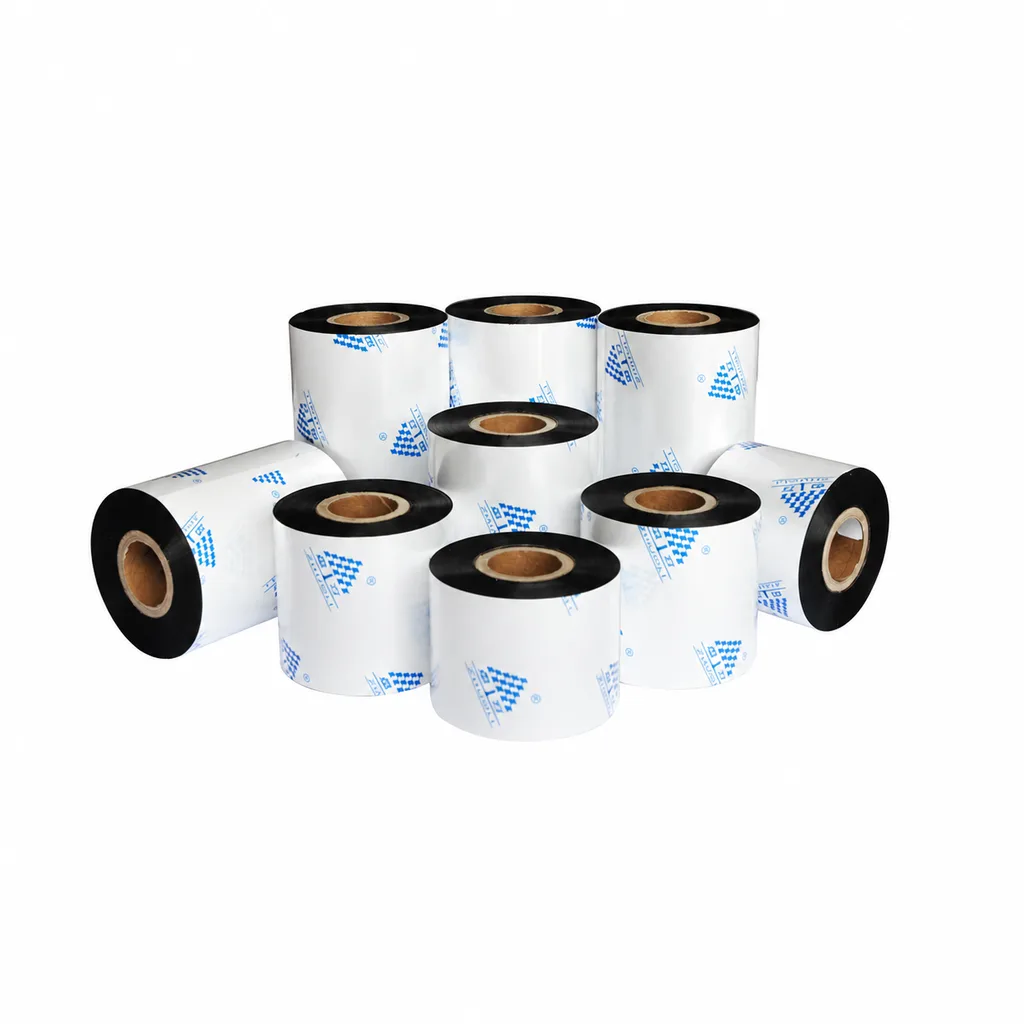
Near-Edge Wax-Resin Thermal Transfer Ribbon CL-Z212 for Barcode Labels
CL-Z212 is a general-purpose black wax-resin thermal transfer ribbon primarily for near-edge barcode printers, with use also described for low- to medium-speed thermal transfer overprinting (TTO). Listed applications include retail labels, garment tags, warehouse identification and packaging printing. Select according to printer type, actual printing speed and substrate: recommended conditions list near-edge printing at ≤10 inches per second (ips) and TTO at ≤20 ips. Print quality and image durability can vary with the printer and printing material, so trial printing on the intended substrate is necessary for selection.
View detailsNeed the right ribbon for your label application?
Share the label material, printer and operating environment. Our team will recommend a tested combination.
