
Thermal Transfer Ribbon for Zebra Printers: A Factory Buyer's Guide
Request a solution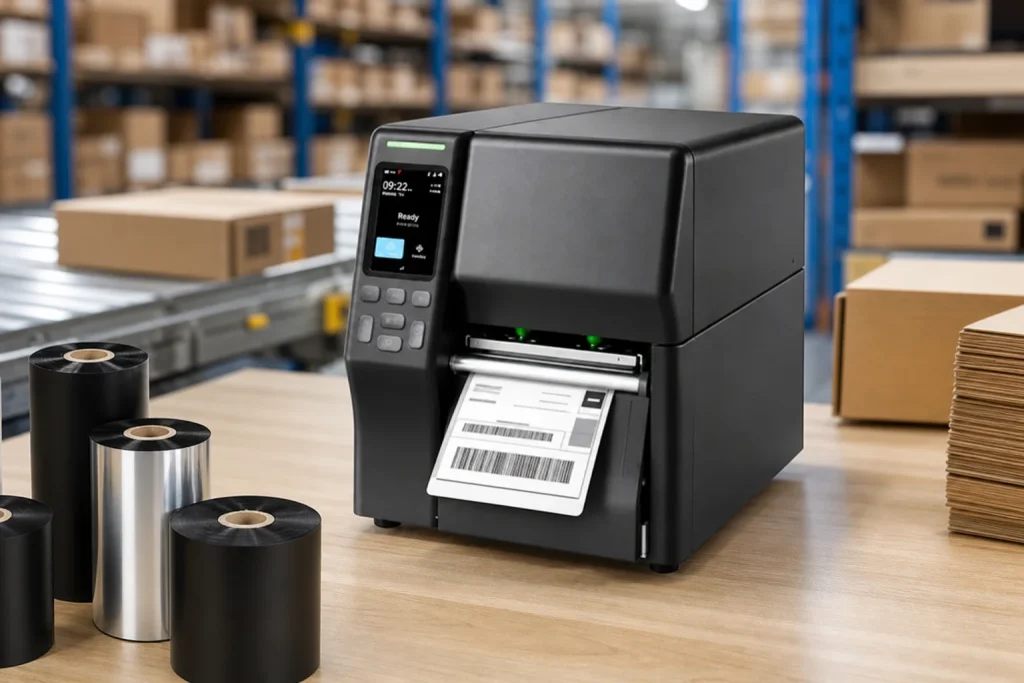
- Original TTR manufacturer since 2013
- Automated coating and slitting
- IQC / IPQC / OQC control
- ANSI barcode grade testing
- -20°C to 120°C environmental testing
- Batch-level traceability
- ANSI barcode grade
- Batch traceability
- RoHS / REACH compliance
- SGS and MSDS documents on request
Key Takeaways
- This guide helps industrial buyers select the correct thermal transfer ribbon for Zebra printers.
- It explains the three main ribbon categories—wax, wax-resin, and resin—and their suitability for different label materials and environments.
- Wax ribbons are ideal for paper labels in general logistics, offering cost-effective printing.
Understanding Thermal Transfer Ribbon for Zebra Printers
Thermal transfer printing is a widely used method for creating durable barcode labels, and Zebra printers are among the most common devices in logistics, manufacturing, and retail. The ribbon is a critical consumable that directly affects print quality, printhead life, and overall operational efficiency. Selecting the right thermal transfer ribbon for Zebra printers is not a one-size-fits-all decision; it depends on the label material, the environment where the label will be…
A thermal transfer ribbon consists of a polyester film coated with a wax, resin, or a combination of both. During printing, the printhead heats the ribbon, transferring the coating onto the label material. The type of coating determines the durability and appearance of the printed image. Understanding these differences is the first step in making an informed purchasing decision.
- Wax ribbons: Best for paper labels in general logistics, offering cost-effective printing with good quality for standard applications.
- Wax-resin ribbons: Provide enhanced scratch resistance and are suitable for labels that may face moderate handling or exposure to oils or mild chemicals.
- Resin ribbons: Offer the highest durability, resisting chemicals, heat, and abrasion, making them ideal for harsh industrial environments.
- Specialty ribbons: Include TTO (thermal transfer overprint) ribbons for packaging coding and color ribbons for branding and color-coding applications.

Matching Ribbon Type to Your Application
The choice of ribbon should be driven by the label's end-use. For example, if you are printing shipping labels for general logistics, a wax ribbon on paper labels is often sufficient. These labels are typically used indoors and do not require extreme durability. Wax ribbons are also the most economical option, helping to control consumable costs.
If your labels will be exposed to moisture, oils, or frequent handling, a wax-resin ribbon provides a balance between cost and performance. This type is commonly used in asset tracking, shelf labeling, and some healthcare applications. For labels that must withstand harsh chemicals, extreme temperatures, or heavy abrasion—such as those used in automotive, electronics, or chemical industries—a resin ribbon is the recommended choice. Resin ribbons are also required for synthet…
It is also important to consider the printer model and printhead type. Zebra printers typically use either flathead or near-edge printheads. Flathead printers are more common and work with standard ribbons, while near-edge printers require ribbons specifically designed for that technology to achieve optimal print quality. Always verify ribbon compatibility with your printer model before making a bulk purchase.
- For paper labels in dry environments, choose wax ribbons to minimize costs.
- For labels exposed to moisture or light abrasion, wax-resin ribbons offer a reliable upgrade.
- For chemical, heat, or abrasion resistance, resin ribbons are essential.
- For packaging coding (e.g., expiration dates), TTO ribbons are designed for high-speed intermittent printing.
- For color-coding or branding, use color thermal transfer ribbons that match your brand colors.
Key Factors in Ribbon Selection and Testing
Beyond the basic ribbon type, several factors influence the final selection. These include the label material's surface energy, the print speed, and the desired print durability. A ribbon that works well on one label stock may not perform on another. Therefore, it is crucial to conduct a print test with your actual labels and printer settings before committing to a large order.
Print speed is another consideration. Higher print speeds require ribbons with faster ink transfer rates. If you run your Zebra printer at high speeds, you need a ribbon that can keep up without smudging or fading. Additionally, the ribbon's width and length must match your label dimensions and roll capacity. Most manufacturers offer custom widths and lengths to fit specific printer models and label sizes.
When testing, pay attention to print contrast, scratch resistance, and adhesion. Use a simple rub test to check if the print smudges or fades. Also, verify that the ribbon does not cause excessive printhead wear. A quality ribbon should produce consistent prints without damaging the printhead, which is a costly component to replace.
- Conduct a print test with your actual label stock and printer settings.
- Check print contrast and edge definition to ensure barcode scannability.
- Perform a scratch test to assess durability for your handling environment.
- Verify ribbon compatibility with your printer's printhead type (flathead or near-edge).
- Consider print speed requirements; high-speed printing may need specialized ribbons.

Evaluating Ribbon Manufacturers and Suppliers
The quality of thermal transfer ribbons can vary significantly between manufacturers. Inferior ribbons may cause poor print quality, increased printhead wear, and more frequent reprints, leading to downtime and higher costs. Therefore, it is essential to choose a reliable manufacturer with proven experience and robust quality control.
When evaluating a supplier, consider their production capacity, customization capabilities, and quality certifications. A manufacturer with a large annual production capacity is more likely to meet your volume needs consistently. Customization options such as custom widths, lengths, and Pantone color matching are valuable if you have specific requirements. Quality certifications like ISO 9001:2015 indicate a commitment to consistent quality management. Additionally, complian…
It is also advisable to request samples before placing a bulk order. Testing samples on your own printers and labels will help you verify performance and avoid costly mistakes. Ask about lead times for both samples and production orders, as these can vary depending on the product type and order size.
- Look for manufacturers with at least 10 years of experience in thermal transfer ribbon production.
- Check if they offer OEM and private label packaging for branding flexibility.
- Verify quality certifications such as ISO 9001:2015, RoHS, REACH, and FDA compliance.
- Request samples and conduct thorough testing before bulk purchasing.
- Confirm lead times and minimum order quantities with the sales team.
Cost Considerations and Total Cost of Ownership
While the unit price of a ribbon is an important factor, the total cost of ownership includes more than just the purchase price. Poor-quality ribbons can lead to increased printhead replacements, higher reprint rates, and wasted labels, all of which add to operational costs. Investing in a higher-quality ribbon that performs reliably can reduce these hidden costs.
To calculate the true cost, consider the number of prints per roll, the wastage rate, and the impact on printer maintenance. A ribbon that lasts longer and produces fewer defective labels may be more cost-effective in the long run, even if its upfront price is higher. Additionally, buying in bulk can reduce per-roll costs, but only if you have adequate storage and the ribbon's shelf life is not compromised.
When comparing quotes from different suppliers, ensure that you are comparing like-for-like products in terms of ribbon type, length, and quality. A cheaper ribbon may have a shorter length or lower coating weight, resulting in fewer prints per roll. Always ask for detailed specifications and test results to make an informed decision.
- Evaluate the cost per print, not just the price per roll.
- Factor in potential printhead wear and reprint costs.
- Consider bulk purchasing to reduce per-roll costs, but manage inventory carefully.
- Compare specifications such as ribbon length and coating weight when evaluating quotes.
- Choose a ribbon that balances performance and cost for your specific application.
Supplier Verification and Quality Assurance
Once you have shortlisted potential suppliers, it is crucial to verify their claims and quality assurance processes. Request documentation such as ISO certificates, test reports, and material safety data sheets (MSDS). These documents provide evidence of the manufacturer's compliance with industry standards and their commitment to product safety.
If your application involves food contact, ensure that the ribbon meets FDA requirements. For international shipments, check that the supplier can provide the necessary compliance documents for your destination country. A reputable manufacturer will be transparent about their testing procedures and willing to share relevant certifications.
Finally, consider the supplier's customer support and after-sales service. A responsive supplier can help you troubleshoot issues and provide technical guidance, which is invaluable when integrating a new ribbon into your operations. Building a long-term relationship with a reliable manufacturer can lead to better pricing, priority support, and consistent quality over time.
- Request and verify ISO 9001:2015 certification and other relevant quality documents.
- Ensure compliance with RoHS, REACH, and FDA regulations if required for your market.
- Ask for MSDS reports to understand handling and safety requirements.
- Evaluate the supplier's responsiveness and technical support capabilities.
- Consider a trial order to assess quality and service before committing to a long-term contract.
Frequently Asked Questions
What is the difference between wax, wax-resin, and resin thermal transfer ribbons?
Wax ribbons are the most economical and are designed for paper labels in general logistics. Wax-resin ribbons offer better scratch resistance and are suitable for labels that may face moderate handling or exposure to oils. Resin ribbons provide the highest durability, resisting chemicals, heat, and abrasion, and are r…
How do I know which ribbon is compatible with my Zebra printer?
Check your printer's manual or specifications to determine the printhead type (flathead or near-edge) and the supported ribbon widths. Most Zebra printers use flathead technology, which works with standard ribbons. For near-edge printers, you need ribbons specifically designed for that technology. Also, consider the l…
Can I use any thermal transfer ribbon with Zebra printers?
While many ribbons are compatible with Zebra printers, using a ribbon that is not optimized for your specific printer model or label material can result in poor print quality, smudging, or excessive printhead wear. It is always recommended to test a sample ribbon with your actual printer and labels before bulk purchas…
What are the benefits of using color thermal transfer ribbons?
Color ribbons are used for branding, color-coding, and adding visual appeal to labels. They can help improve inventory management by using color-coded labels, and they are also used in packaging to print logos or other graphics. Custom Pantone color matching is available to match your brand colors.
How can I verify the quality of a thermal transfer ribbon manufacturer?
Look for manufacturers with relevant certifications such as ISO 9001:2015, RoHS, REACH, and FDA compliance. Request samples and conduct your own print tests. Also, check their production capacity and customization capabilities to ensure they can meet your volume and specification needs.
Related Products & Guides
Matching specs and verifying compatibility before you commit
Match a Colorfulttr ribbon to a Zebra printer by checking three elements before ordering: the print mode (flat-head or near-edge), the label facestock (coated paper, synthetic or film — this decides wax, wax-resin or resin), and the roll specification (width, length and 1-inch core). Final compatibility is confirmed with a sample test on your actual media; nothing here implies an agency or OEM relationship with Zebra — Colorfulttr is an independent compatible ribbon supplier.
- Water-washable resin ribbon — care-label applications
- TTO thermal transfer printing ribbon — flexible-packaging date coding
Samples ship in 3–7 days. Request samples with your printer model and media.
Recommended products for this industry
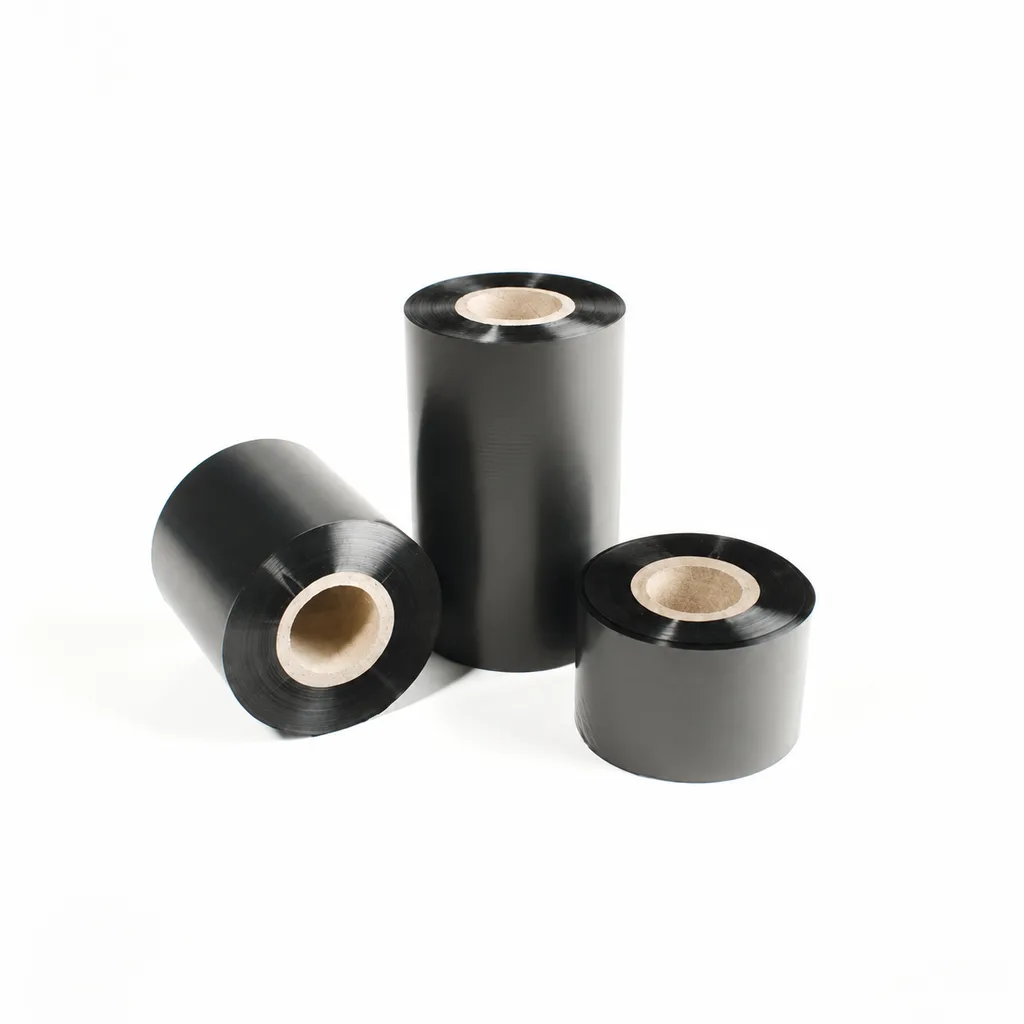
CL-Z112 Enhanced Wax Thermal Transfer Ribbon for Paper Labels and Tags
An enhanced wax thermal transfer ribbon with black ink for paper labels and tags used in retail, warehousing and logistics. It is specified for flat-head printing on desktop or industrial barcode printers at ≤8 inches per second (ips). Select it by checking the actual label material, printer configuration and handling conditions: image-quality, rub-resistance and cold-chamber results were obtained on coated paper, and print quality and image durability may vary with the printer and print medium.
View details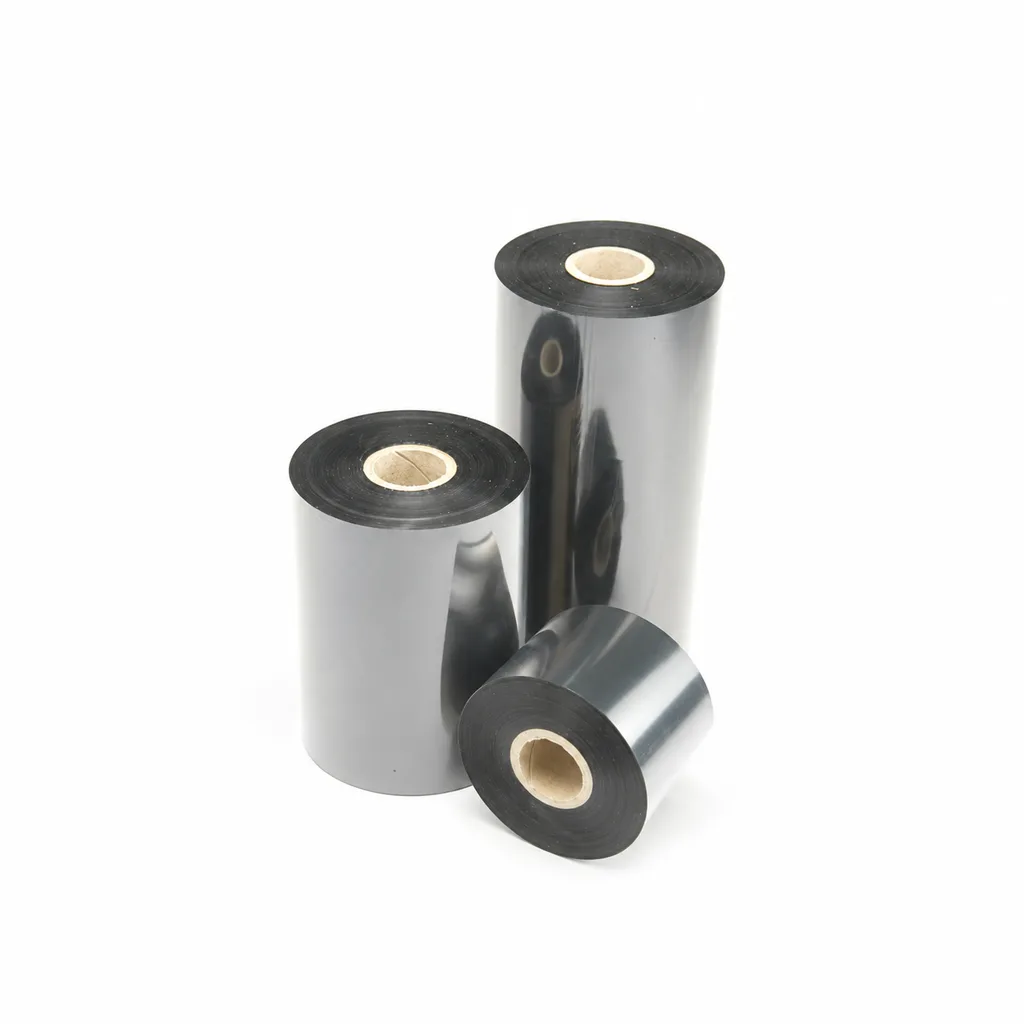
CL-Z203 Wax-Resin Thermal Transfer Ribbon for Barcode Labels
A black wax-resin thermal transfer ribbon for flat-head printing, with listed applications including retail, warehousing, logistics and garment tags. Select it against your actual label material and desktop or industrial barcode printer at speeds ≤6 ips (inches per second). Fine-line, small-text and durability results were obtained on coated paper; print quality and image durability may vary with the printer and printing substrate.
View details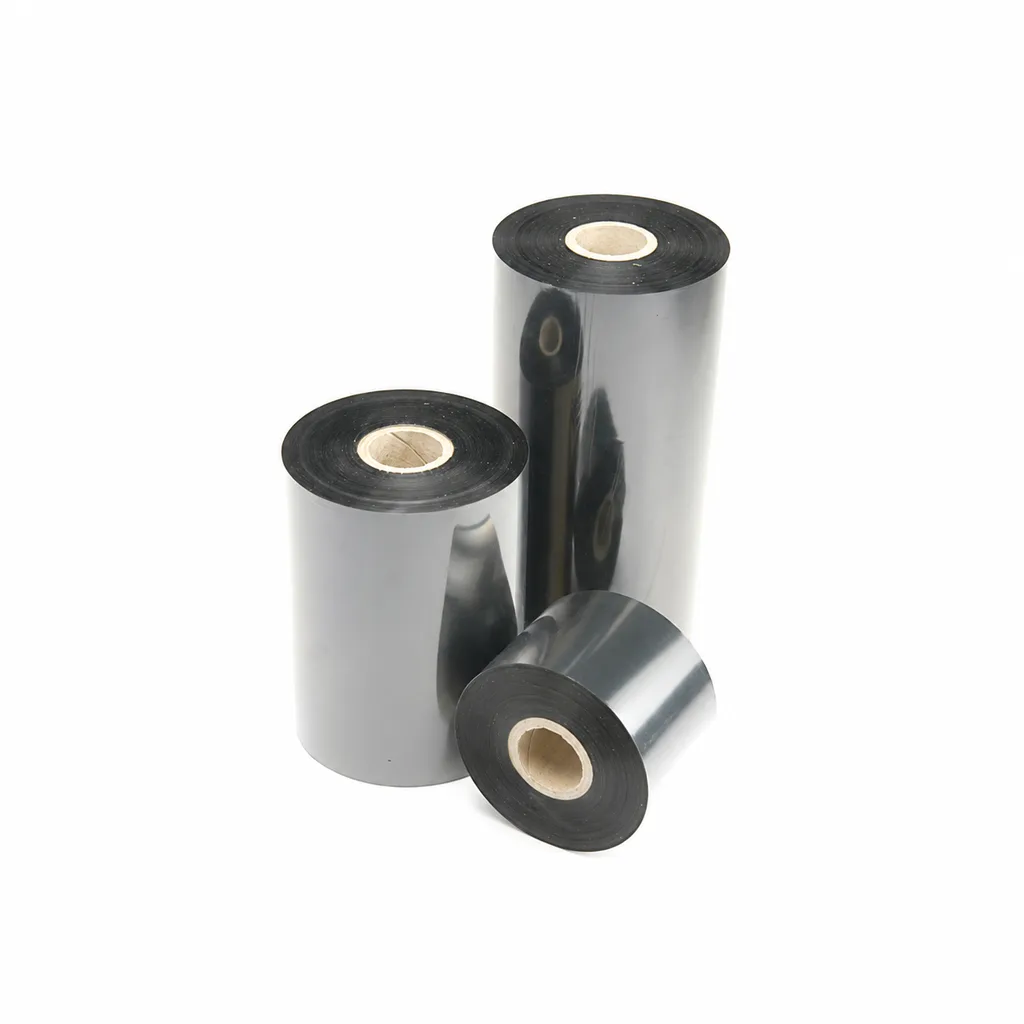
CL-Z213 Near-Edge Wax-Resin Thermal Transfer Ribbon for Barcode Labels
An enhanced black near-edge wax-resin thermal transfer ribbon for near-edge barcode printers and low- to medium-speed thermal transfer overprinting (TTO). Listed applications include retail labels, warehousing, garment tags and packaging identification. Match the printer, actual print medium and operating speed before selection: print quality and image durability can vary with the printer and substrate.
View details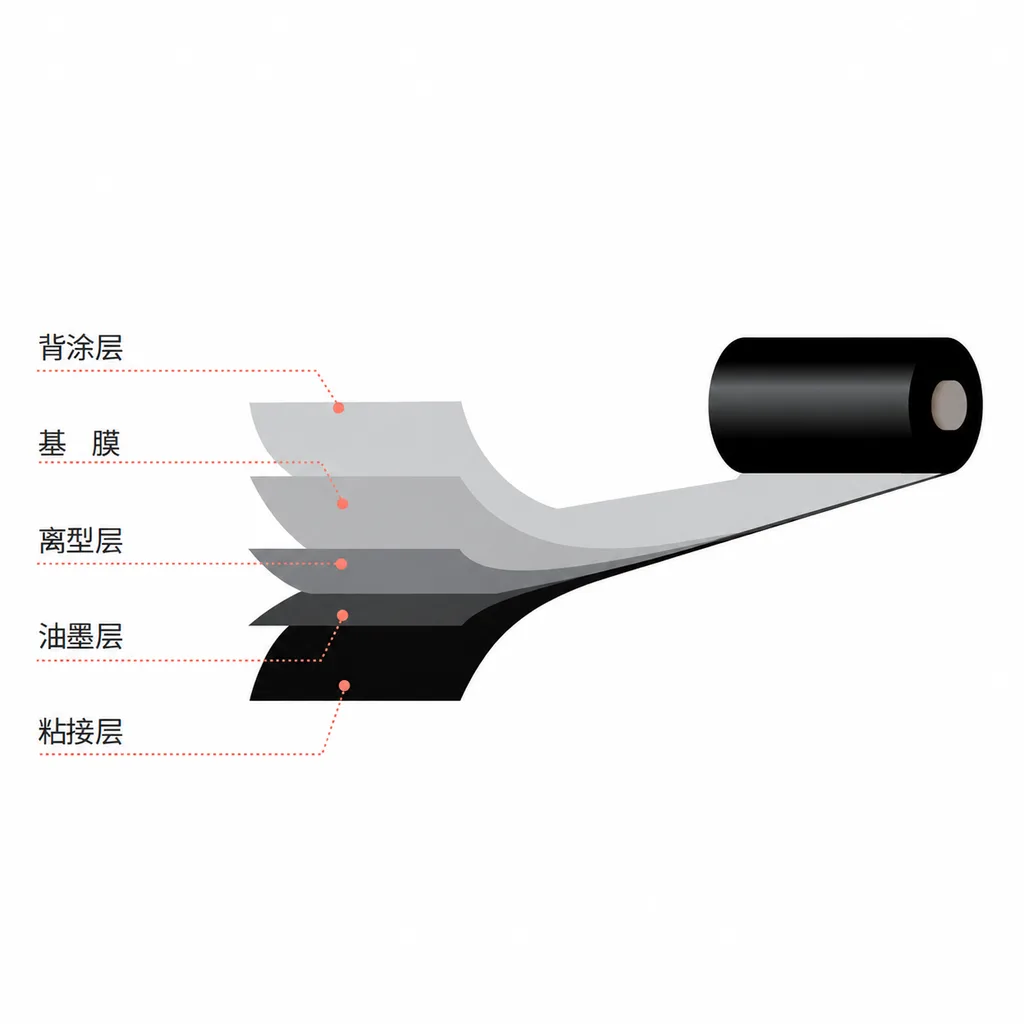
CL-Z312 Resin Thermal Transfer Ribbon for Packaging Printing
CL-Z312 is a black, general-purpose resin ribbon for thermal transfer overprinting (TTO), with packaging and retail label applications listed in the product information. Its abrasion, alcohol and oil resistance data were obtained on polyethylene terephthalate (PET). Select it against your actual packaging material, printer and production speed: print quality and image durability can vary with the printer and substrate, and the material chart percentages are not defined as pass rates.
View detailsNeed the right ribbon for your label application?
Share the label material, printer and operating environment. Our team will recommend a tested combination.
