
How Durable TTR Labels Improve Traceability in Cold Chain Logistics
Request a solution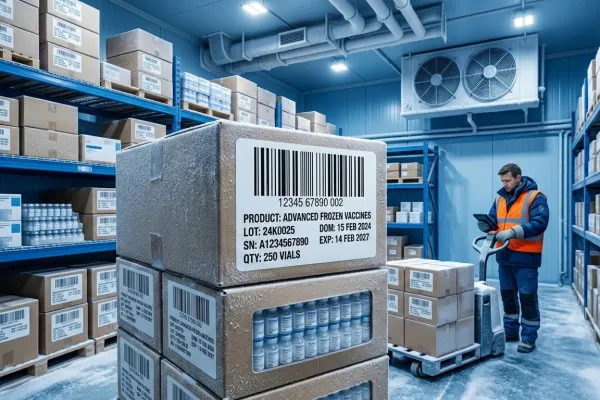
- Original TTR manufacturer since 2013
- Automated coating and slitting
- IQC / IPQC / OQC control
- ANSI barcode grade testing
- -20°C to 120°C environmental testing
- Batch-level traceability
- ANSI barcode grade
- Batch traceability
- RoHS / REACH compliance
- SGS and MSDS documents on request
Cold chain logistics depends on clear and durable labels. Products move through chilled warehouses, wet loading docks, and fast delivery routes. In those conditions, weak prints fade, smear, or peel too early. Thermal transfer ribbon technology helps brands and logistics teams keep critical data readable from origin to destination.
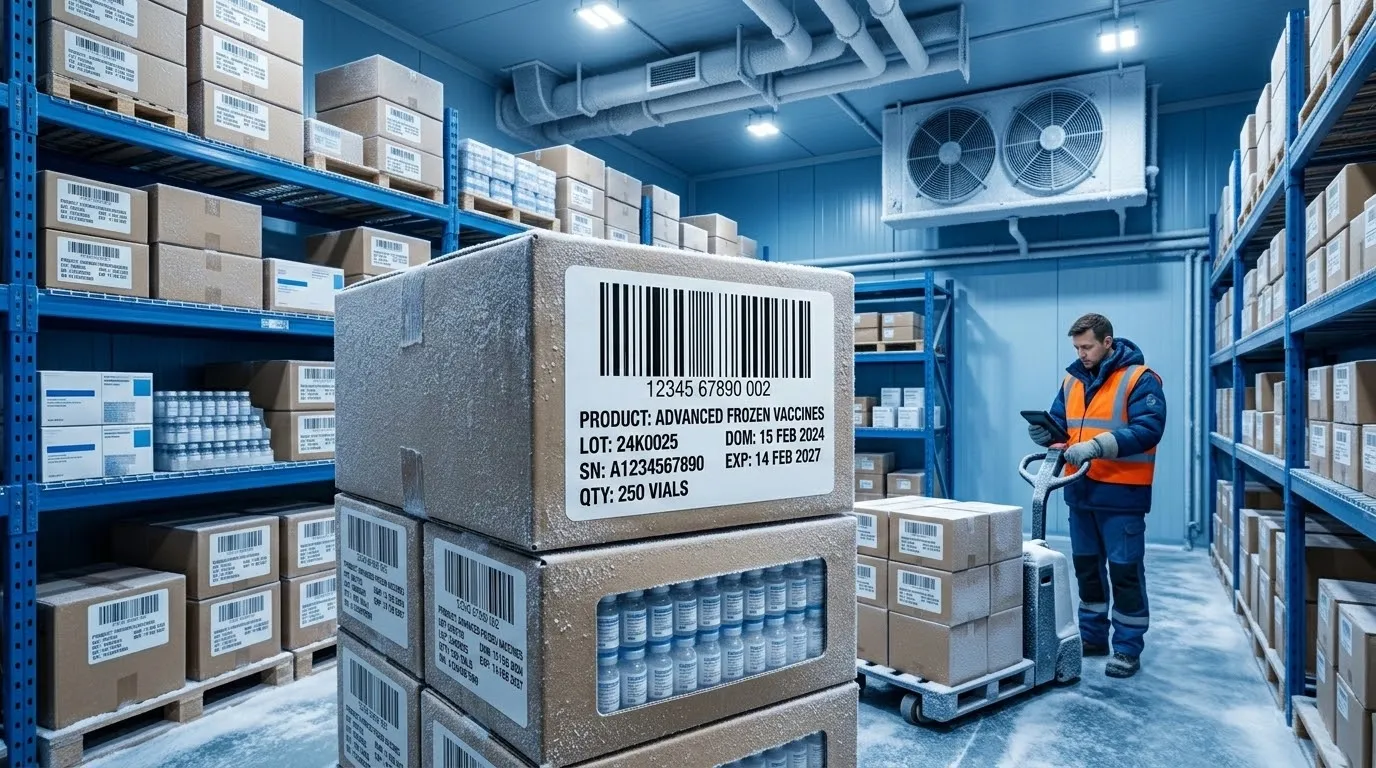
For food, pharmaceuticals, and temperature-sensitive chemicals, label failure is more than a small inconvenience. It can slow scanning, create traceability gaps, and raise compliance risks. A well-matched TTR solution supports stable barcode quality, strong resistance, and cleaner operations across the full cold chain.
Key Takeaways
- Cold chain logistics demands durable labels that resist moisture, friction, and temperature swings.
- Thermal transfer ribbon technology ensures stable barcode quality and traceability from origin to destination, reducing compliance risks and scanning failures.
Why Cold Chain Labels Fail Faster Than Standard Shipping Labels
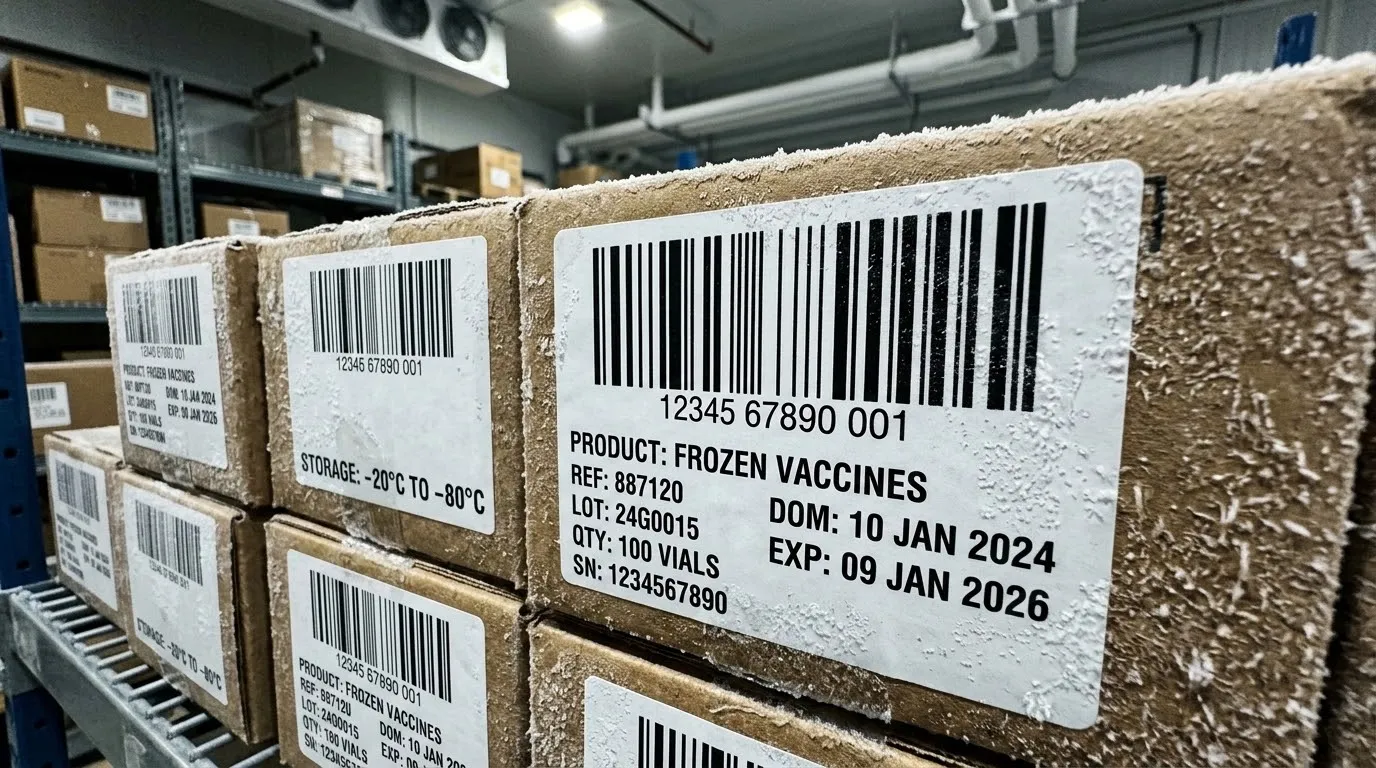
Cold environments place constant stress on label materials and print surfaces. Condensation forms when products move between temperature zones. Ice crystals, abrasion, and repeated handling can damage weak prints in a short time.
Moisture, Friction, and Temperature Swings
Water is one of the biggest threats to printed identification. Once moisture sits on a label, low-durability printing can blur during contact with gloves, cartons, or conveyor parts. Sudden temperature changes make the problem worse because surfaces expand, contract, and collect more condensation.
Friction also matters. Crates slide, cartons stack, and labels rub against shrink film or plastic bins. If the printed layer cannot hold up, barcodes lose edge definition and scanners need more retries.
Why Direct Thermal Is Often Not Enough
Direct thermal labels work for some short-life tasks, but cold chain distribution often demands longer-lasting identification. Heat, cold, and surface contact can darken or damage direct thermal media. Thermal transfer printing gives users a stronger path when product journeys last longer or face rougher conditions.
How Thermal Transfer Ribbon Technology Supports Reliable Traceability
Thermal transfer ribbons create durable images by transferring ink from the ribbon to the label surface with heat from the printhead. When the ribbon grade matches the label material and operating environment, the result is sharp, stable, and easier to scan.
Colorful focuses on ribbon solutions that help customers improve print consistency in demanding use cases. That matters in logistics because every readable barcode supports faster movement and cleaner data capture.
Stable Barcode Quality for Automated Workflows
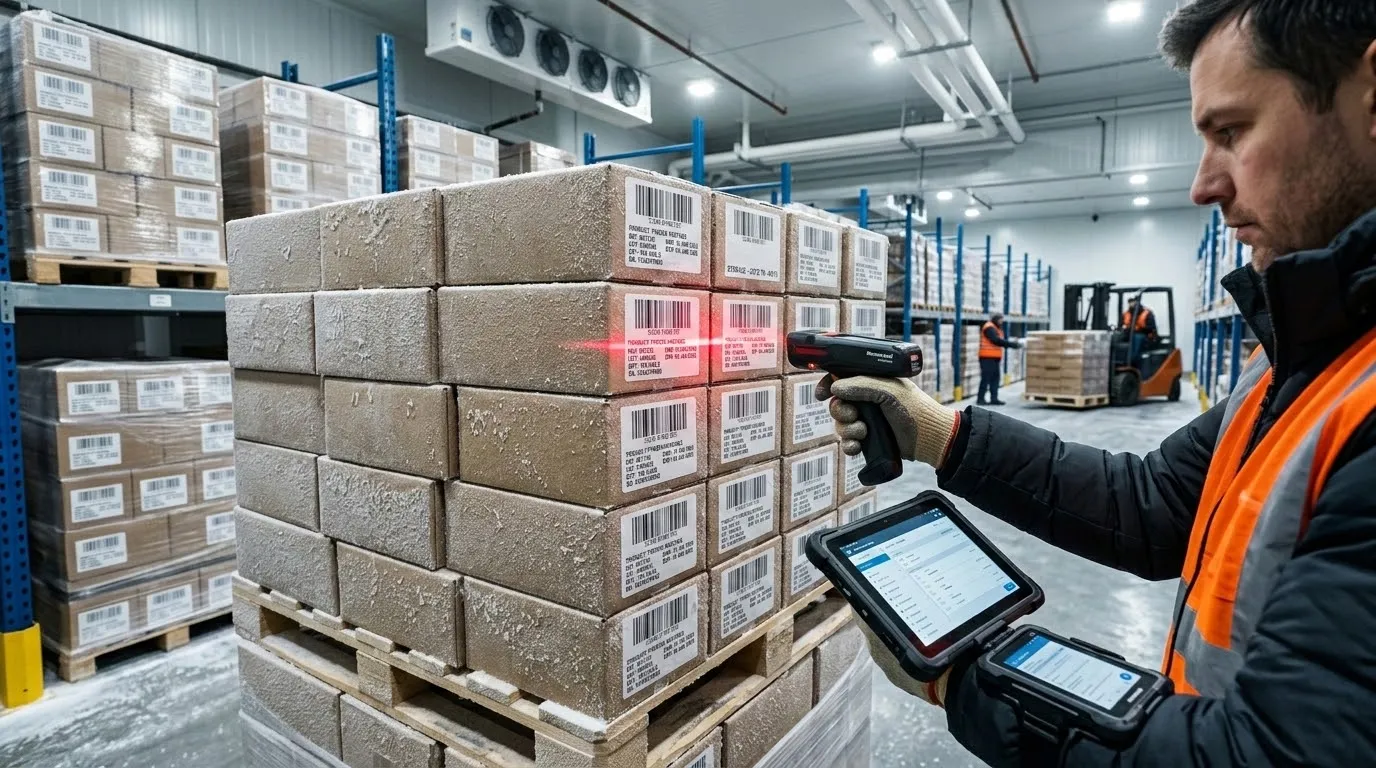
Modern logistics relies on scanning at many points. Goods may be scanned at receiving, storage, sorting, dispatch, and final delivery. Clean edges and dense print improve first-pass read rates, which helps teams avoid manual rework.
A suitable ribbon also reduces print inconsistency across long batches. That is valuable for operations that print large volumes of variable data, including dates, lot numbers, serial codes, and GS1 barcodes.
Better Resistance for Demanding Transport Routes
Wax-resin and resin ribbon options can offer stronger resistance than basic wax grades. In cold chain settings, that added durability helps labels resist smudging, scratching, and contact with packaging surfaces. The exact choice depends on label stock, print speed, and exposure level.
Choosing the Right Ribbon for Cold Chain Applications
Not every cold chain label needs the same ribbon. The best result comes from matching ribbon chemistry to the label face stock, the product environment, and the required label life.
Wax, Wax-Resin, or Resin?
Wax Ribbons for Basic Indoor Movement
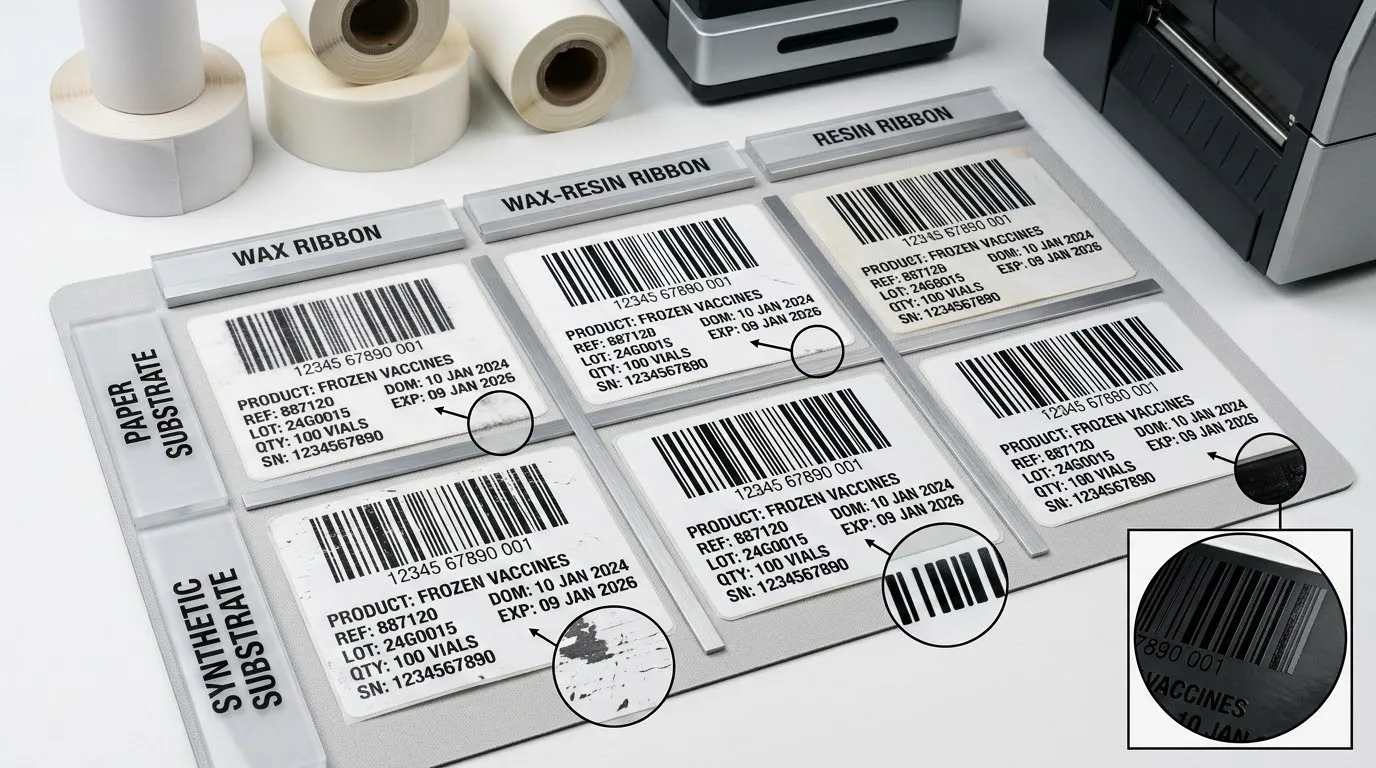
Wax ribbons can support cost-sensitive applications with limited exposure and short circulation time. They fit some warehouse tasks, but they may not deliver enough durability for wet or high-contact cold chain routes.
Wax-Resin Ribbons for Balanced Performance
Wax-resin ribbons are a common choice for logistics labels because they combine print clarity with stronger abrasion resistance. They work well when companies need dependable barcode performance without moving straight to the highest-cost option.
Resin Ribbons for Harsh and Long-Life Demands
Resin ribbons suit synthetic labels and harsh environments. They are often selected for pharmaceutical logistics, laboratory samples, chemical containers, and reusable cold storage assets. When exposure is severe, resin-based performance can protect traceability more effectively.
Label Material Compatibility Matters
Ribbon performance depends on the label surface. Paper labels and synthetic labels respond differently to heat and ink transfer. A ribbon that performs well on coated paper may not be the best option for polypropylene or polyester. Testing the combination is the fastest way to confirm print density, adhesion, and scan reliability.
Where Durable TTR Labels Create the Most Value
Food and Beverage Distribution
Cold chain labels help track packaged meat, dairy products, frozen food, and ready-to-eat items. Clear lot codes and shipping data support inventory rotation, recall readiness, and faster receiving at retail or distribution points.
Pharmaceutical and Healthcare Logistics
Medical products require accurate identification across transport and storage. Labels must stay readable on cartons, sample bags, and secondary packaging. Strong TTR printing helps protect compliance workflows and reduces the chance of data loss during handling.
Export Packaging and Long-Distance Shipping
Products shipped across regions may face long storage times, repacking, and changing climates. Durable ribbon printing helps packaging identification remain consistent even when labels pass through several hands and facilities.
Practical Steps to Improve Label Performance
Test Under Real Operating Conditions
Lab checks are useful, but real conditions reveal more. Test labels after refrigeration, handling, stacking, and scanning. Review print darkness, edge sharpness, and resistance after the full process, not only right after printing.
Optimize Printer Settings and Ribbon Fit
Excess heat can damage print quality, while low heat can weaken transfer. Print speed, darkness, pressure, and ribbon choice should work together. A stable setup protects the printhead and helps maintain quality across long runs.
Work With a Supplier That Understands the Application
The right supplier does more than sell ribbon rolls. They help identify the label material, environment, and durability target. That guidance saves time during testing and can reduce costly label failures in live operations.
A Smarter Traceability Strategy Starts With Durable Printing
Cold chain logistics needs labels that stay readable when conditions become difficult. Durable thermal transfer ribbon solutions support stronger scanning, better compliance, and smoother movement across the supply chain. For companies that depend on accurate packaging identification, the right TTR setup is a practical way to improve traceability without adding unnecessary complexity.
Colorful continues to support customers who need dependable TTR performance for logistics, packaging, and industrial labeling. When labels must survive cold storage, friction, and repeated scanning, durable ribbon selection becomes a real competitive advantage.
Related Products & Guides
Recommended products for this industry
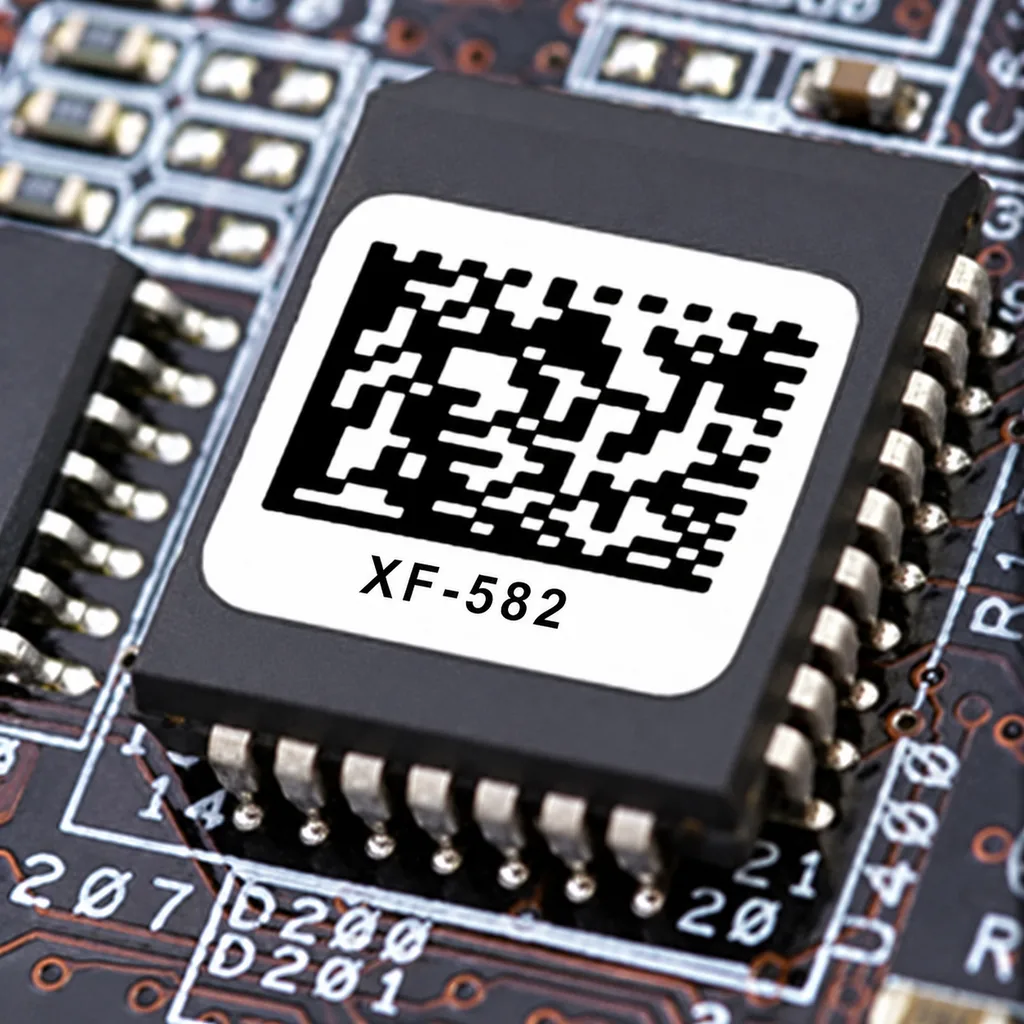
CL-582 High-Temperature Polyimide Labels for Printed Circuit Board Traceability
CL-582 is a high-temperature polyimide (PI) label material for printed circuit board (PCB) and sensitive electronic component process control and product traceability. It has a gloss white coating, a listed thickness of 2mil and an acrylic adhesive. The source identifies wave soldering and reflow soldering as applications. Selection requires confirmation of the actual heat exposure and chemical conditions: the listed temperature range has no specified exposure duration, and solvent resistance is qualitative.
View details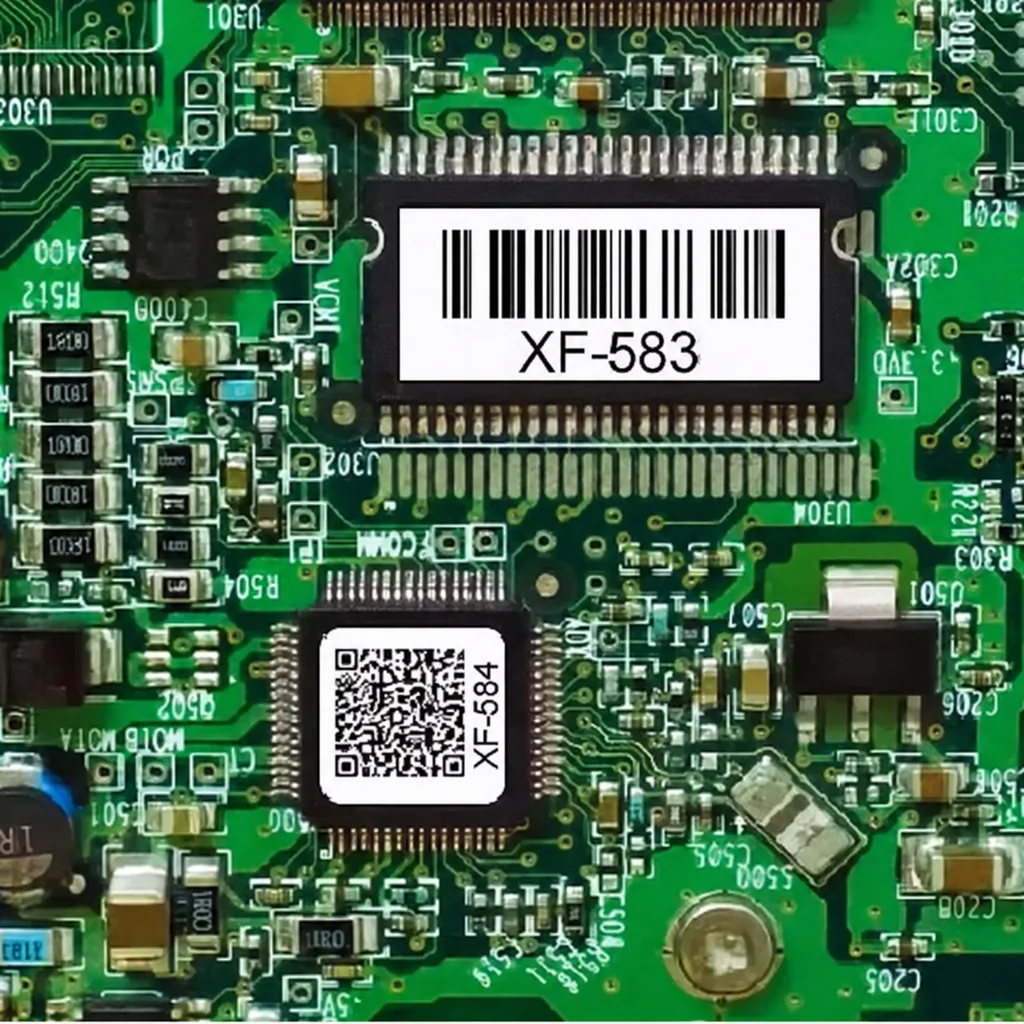
CL-583 High-Temperature Polyimide Labels for PCB Traceability
A matte white polyimide (PI) label material with acrylic adhesive for printed circuit board (PCB) process control and product traceability, including reflow and wave soldering applications. The listed thickness is 1mil and the stated temperature resistance range is -40-350℃. Select it against the actual soldering profile and chemical exposure: the available data does not specify exposure duration, cycle limits or solvent test conditions.
View details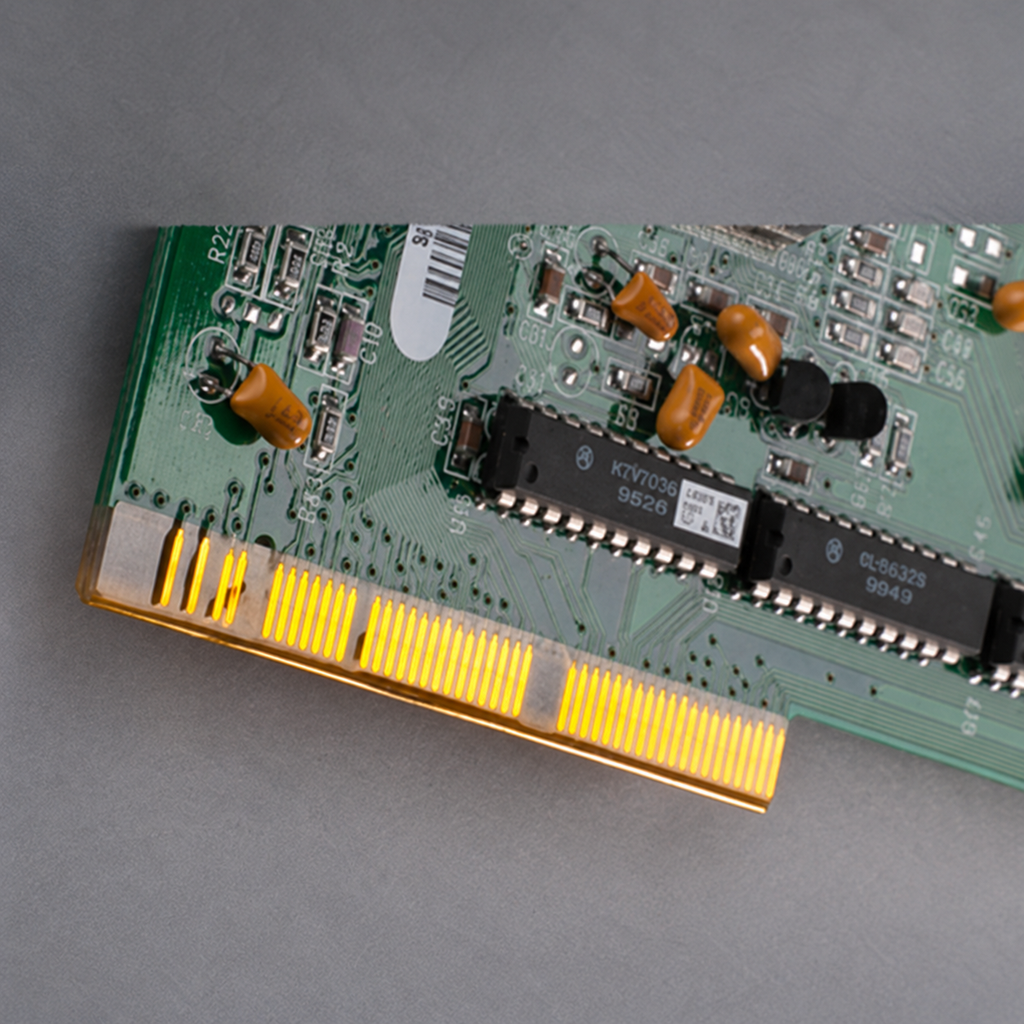
CL-8632S Polyimide High-Temperature Label for PCB Process Control and Traceability
The CL-8632S is a polyimide (PI) high-temperature label with a white matte coating and a thickness of 2 mil, made for the electronics industry. The source specifications list a PI base film, a temperature range of -40°C to 350°C, and SGS/RoHS as the certification standard, and describe stable performance at high temperature, removal without adhesive residue, repeated re-application, usability in wave soldering and reflow processing, and good resistance to chemicals and solvents. The listed applications are process control and product traceability on printed circuit boards (PCBs) and on sensitive electronic components. Before ordering, confirm the printing method and ribbon pairing for your printer, and validate the label against your actual soldering profile.
View details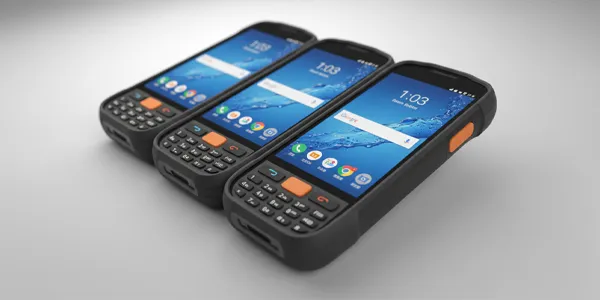
Cold Storage Cold Chain PDA
To address the high-humidity environment of professional cold storage and cold chain…
View detailsNeed the right ribbon for your label application?
Share the label material, printer and operating environment. Our team will recommend a tested combination.
