
How Durable TTR Labels Improve Traceability in Fast-Moving Warehouse Operations
Request a solution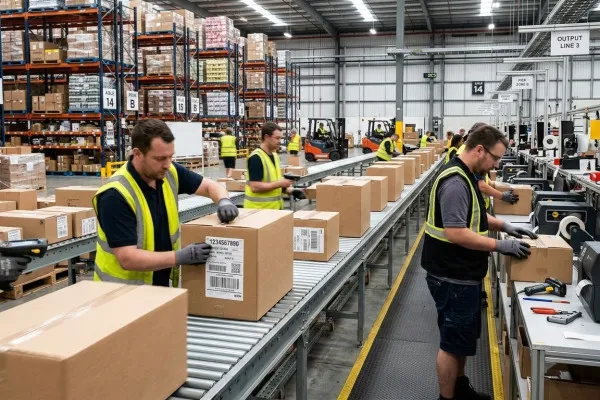
- Original TTR manufacturer since 2013
- Automated coating and slitting
- IQC / IPQC / OQC control
- ANSI barcode grade testing
- -20°C to 120°C environmental testing
- Batch-level traceability
- ANSI barcode grade
- Batch traceability
- RoHS / REACH compliance
- SGS and MSDS documents on request
Why Warehouse Labels Fail Under Pressure
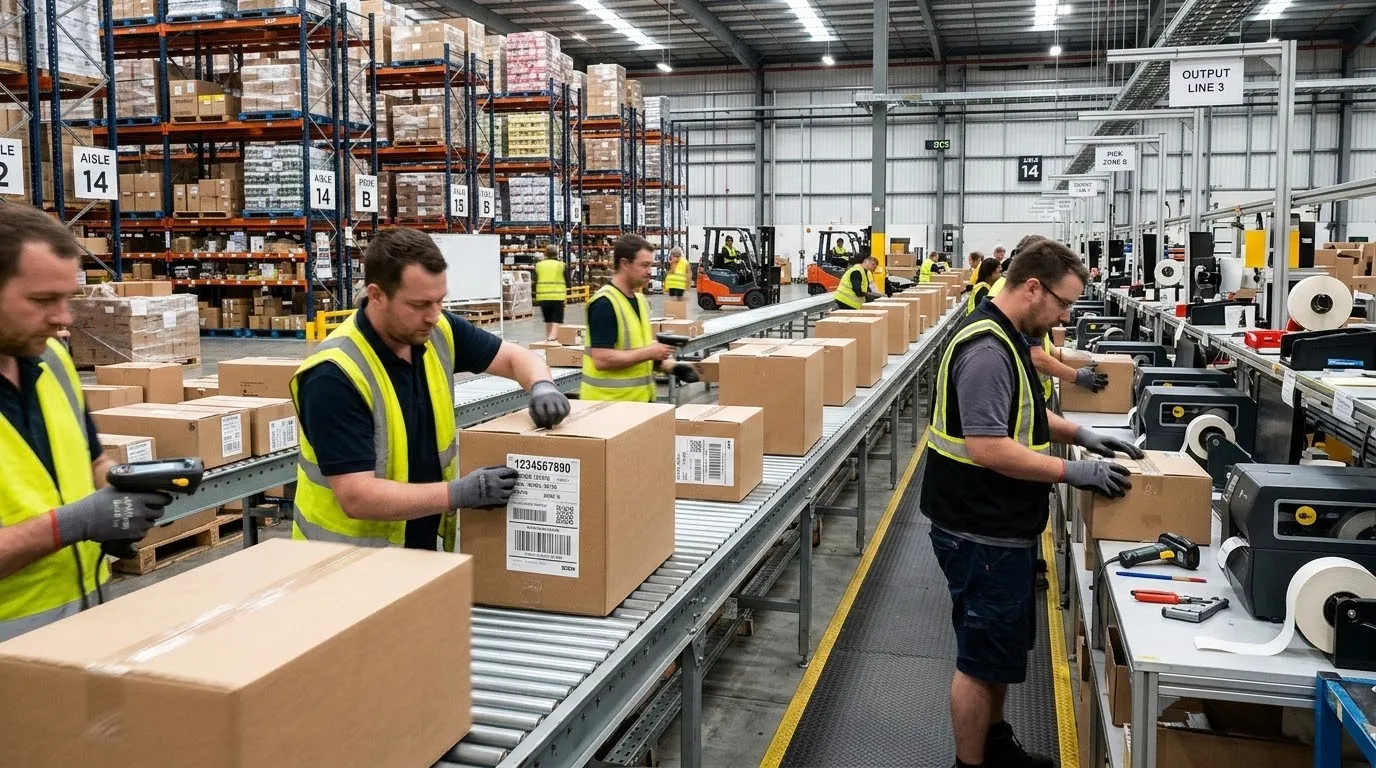
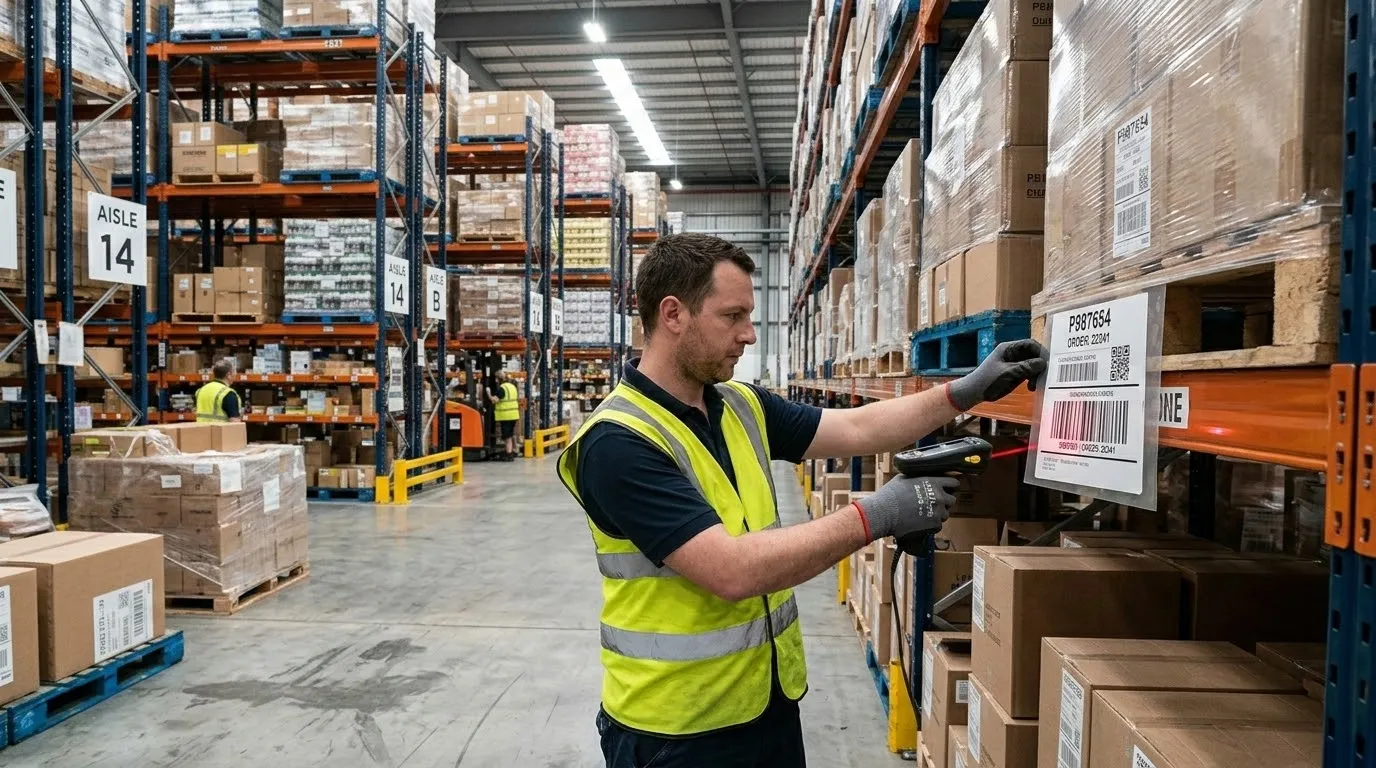
Warehouse labels face more abuse than many teams expect. Boxes slide across conveyors. Operators scan the same code many times. Stretch wrap, dust, friction, and temperature changes all attack print quality. When a label fades or scratches too early, traceability slows down and shipping errors become harder to prevent.
Thermal transfer ribbon printing helps solve that problem because it creates sharper and more durable images on the right label stock. For warehouses that depend on fast scanning and accurate item movement, label durability is not a small detail. It directly supports inventory accuracy, labor efficiency, and customer satisfaction.
Key Takeaways
- Thermal transfer ribbon (TTR) labels improve traceability in fast-moving warehouses by resisting scratches, heat, and moisture.
- Durable labels reduce rescans, delays, and hidden costs, ensuring consistent scan performance across the supply chain.
What Makes TTR a Strong Choice for Logistics Traceability
A thermal transfer ribbon works by transferring ink from the ribbon to the label surface through controlled heat. This process produces dense, stable printing that stands up well to handling. In logistics settings, that matters because barcodes and variable data must stay readable from receiving to final delivery.
Compared with direct thermal labels, TTR labels offer better resistance to scratching, heat, moisture, and chemical contact when the correct ribbon and substrate are paired. That extra durability helps companies avoid rescans, relabeling, and disputes caused by unreadable codes.
Consistent Scan Performance Across the Supply Chain
Reliable scanning starts with print definition. TTR printing supports crisp lines, dark images, and stable text on shipping labels, pallet tags, shelf labels, and tracking stickers. As goods move through storage, sorting, loading, and delivery, those clear marks help scanners work faster and with fewer interruptions.
This consistency becomes even more valuable in multi-node logistics systems. A label may be printed in one plant, stored in another location, and scanned again by a distributor or end customer. Durable printing helps the same code stay useful at every step.
Choosing the Right Ribbon Type for Warehouse Labels
Not every warehouse needs the same ribbon formula. The best choice depends on surface material, storage conditions, handling intensity, and the life span of the label. A good match improves both print quality and cost control.
Wax Ribbons for Standard Carton and Shipping Labels
Wax ribbons are a practical option for many general logistics applications. They perform well on paper labels and offer solid print darkness for common shipping, shelf, and carton identification. For dry indoor operations with moderate handling, they often deliver an efficient balance between quality and budget.
Wax Resin Ribbons for Higher Friction and Longer Routes
Wax resin ribbons provide stronger scratch resistance and better overall durability. They fit operations where labels may rub against bins, shrink film, or rough surfaces during transport. Many warehouses choose this type when they need a stronger image without moving all the way to a full resin solution.

Resin Ribbons for Demanding Industrial Environments
Resin ribbons are designed for high-performance applications. They are often used with synthetic labels when resistance to heat, abrasion, or chemicals is critical. In industrial warehousing, they support long-life labels for returnable containers, outdoor storage, compliance marking, and harsh handling conditions.
How Durable Labels Reduce Hidden Warehouse Costs
The cost of a weak label rarely appears as a single line item. Instead, it shows up through small daily losses. Staff spend extra time rescanning packages. Teams reprint labels. Misread codes delay dispatch. Customers receive the wrong item status. Over time, those small failures create larger operational drag.
Stronger TTR labels reduce that friction. When labels remain legible, teams move faster and exceptions drop. Managers also gain cleaner traceability data, which supports better reporting, easier audits, and more confident planning.
Fewer Reprints, Fewer Delays
A durable label helps the first print stay useful for longer. That means fewer stops at the printer, fewer relabeling tasks, and less confusion during handoff. In peak seasons, that kind of stability can protect throughput when every minute matters.
Better Accuracy for Inventory and Returns
Clear identification improves more than outbound shipping. It also supports cycle counting, returns processing, and internal transfers. When every pallet, tote, or carton carries a readable label, the system has a better chance of reflecting real stock movement.
Best Practices for Better TTR Label Performance
Good ribbon performance depends on more than ribbon chemistry alone. Printhead settings, label material, printer speed, and storage conditions all affect the final result. A strong supplier should help test ribbon and label combinations under real operating conditions instead of relying on generic assumptions.
Match Ribbon, Label, and Use Scenario
Start with the label surface. Paper and synthetic materials behave differently. Then review how the label will be used. Will it face rough handling, temperature swings, or long storage? Once those points are clear, it becomes easier to select a ribbon grade that protects print quality without overspending.
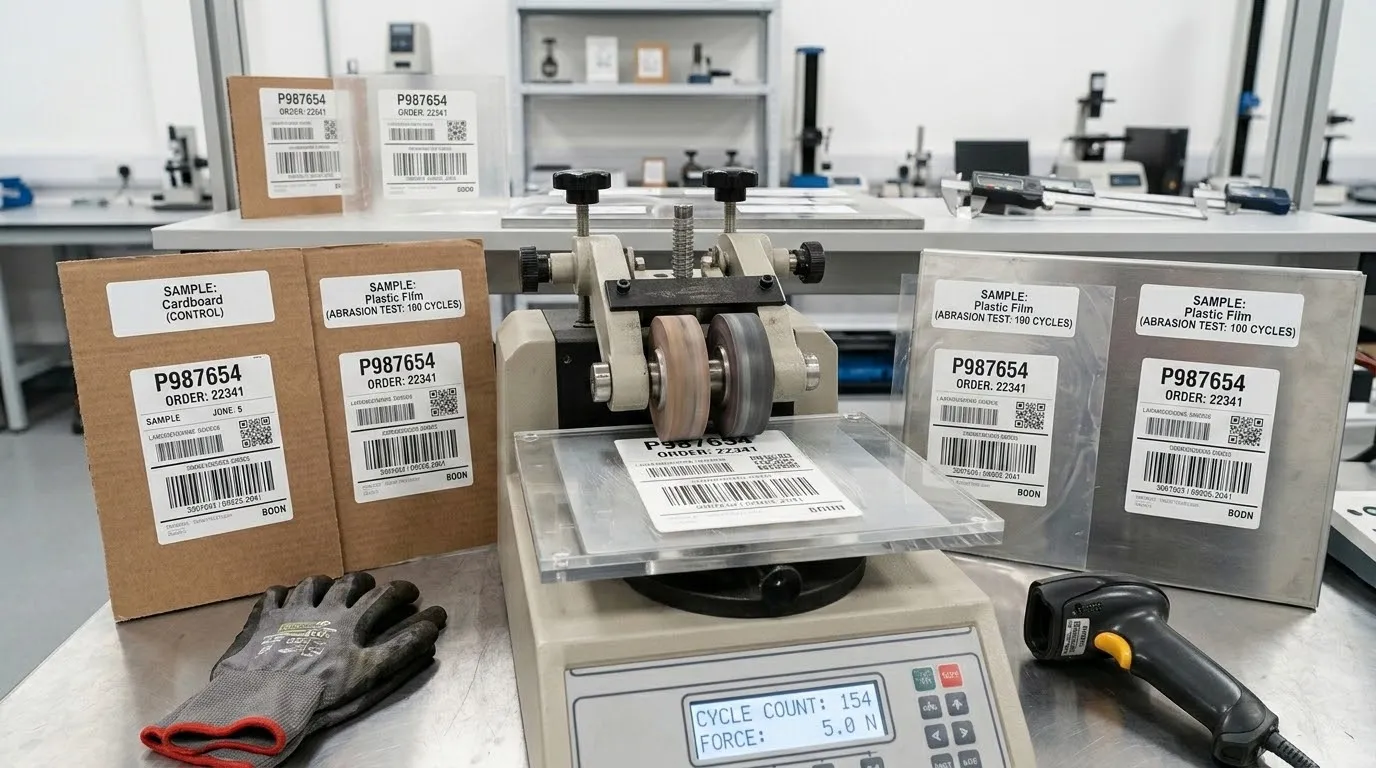
Validate with Real Abrasion and Scan Tests
Lab claims are useful, but field validation matters more. Test printed samples against rubbing, repeated scanning, stacking pressure, and route-specific conditions. These simple checks can reveal whether a ribbon is truly fit for the warehouse workflow.
Why Colorful Focuses on Practical TTR Performance
Colorful supplies thermal transfer ribbon solutions for real production and logistics needs. The goal is not only to deliver ribbon rolls, but to help customers achieve stable printing, reliable scanning, and better label life in daily use. That practical focus matters when warehouses need fewer disruptions and more predictable identification results.
Final Thoughts
Fast-moving warehouse operations depend on labels that stay readable from start to finish. Thermal transfer ribbon printing gives logistics teams a stronger foundation for traceability, scanning accuracy, and operational control. With the right ribbon choice and testing process, durable labels can support smoother warehouse performance every day.
Related Products & Guides
Matching material and ribbon to the actual warehouse conditions
Choose logistics labels in three steps against the real storage and handling conditions: first the facestock (coated paper for cartons, synthetic or film for moisture, abrasion and long storage), then the ribbon (wax for coated paper, wax-resin for mixed media, resin for film and harsh surfaces), and finally the print density and smear resistance, verified on your actual scanner and line — Colorfulttr tests every batch for print density, smudge and abrasion before dispatch, and confirms application fit by sample first.
For frozen storage and cold-chain applications see cold-chain traceability labels; the full range is in the barcode ribbon catalog. Request samples describing your warehouse conditions.
Recommended products for this industry
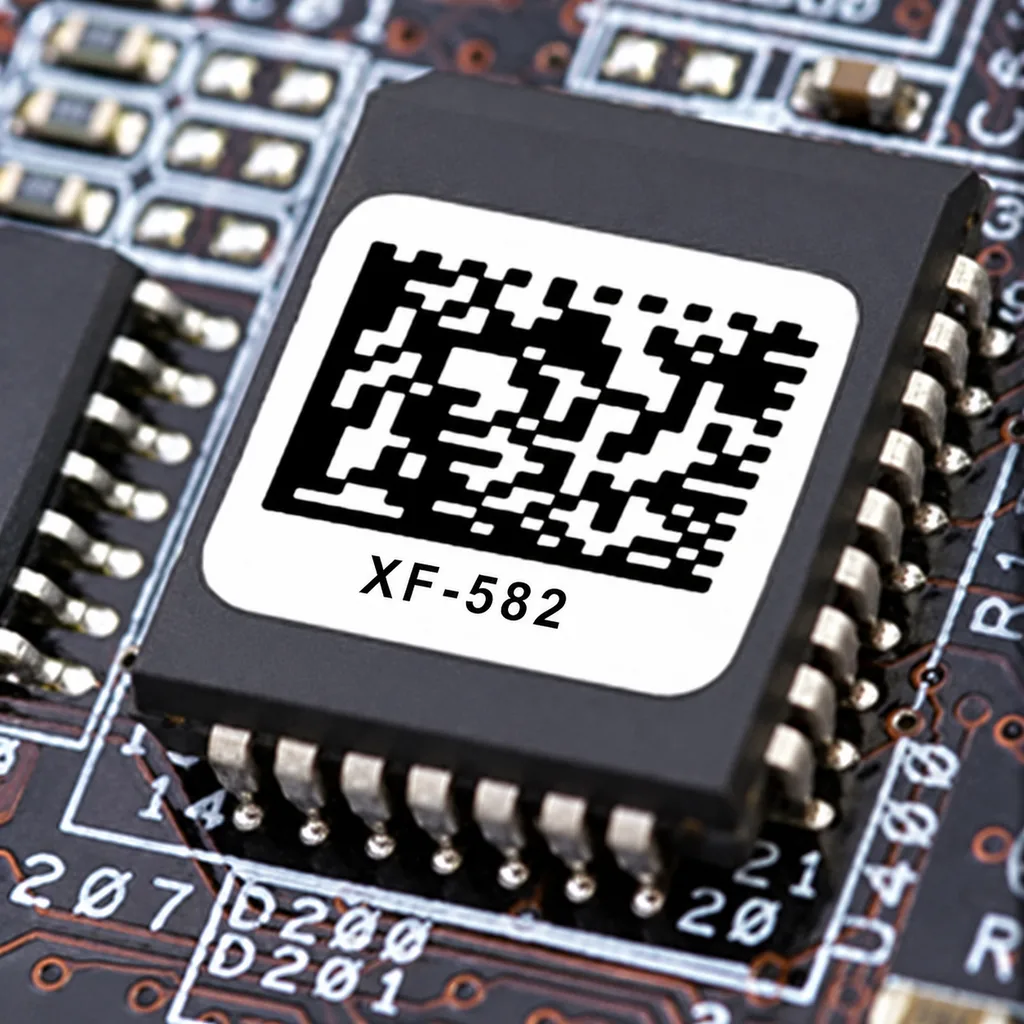
CL-582 High-Temperature Polyimide Labels for Printed Circuit Board Traceability
CL-582 is a high-temperature polyimide (PI) label material for printed circuit board (PCB) and sensitive electronic component process control and product traceability. It has a gloss white coating, a listed thickness of 2mil and an acrylic adhesive. The source identifies wave soldering and reflow soldering as applications. Selection requires confirmation of the actual heat exposure and chemical conditions: the listed temperature range has no specified exposure duration, and solvent resistance is qualitative.
View details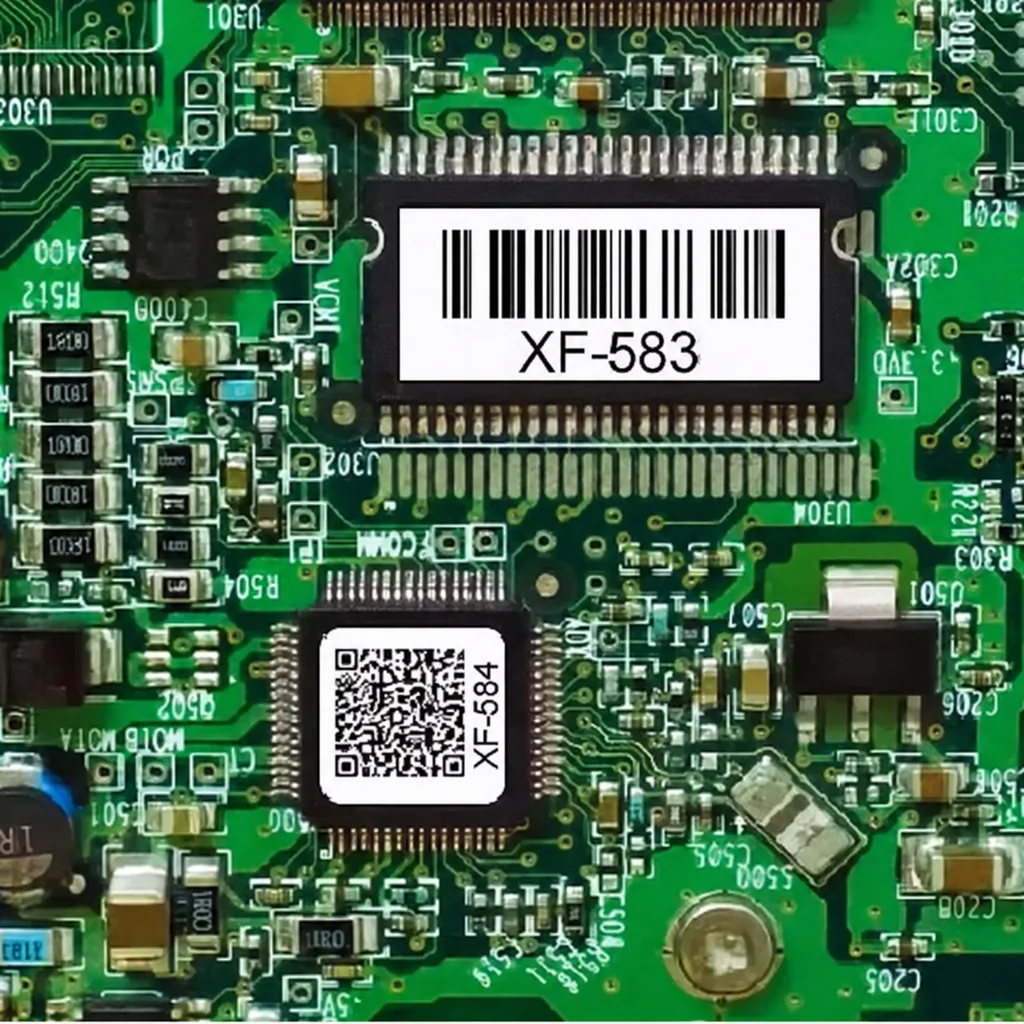
CL-583 High-Temperature Polyimide Labels for PCB Traceability
A matte white polyimide (PI) label material with acrylic adhesive for printed circuit board (PCB) process control and product traceability, including reflow and wave soldering applications. The listed thickness is 1mil and the stated temperature resistance range is -40-350℃. Select it against the actual soldering profile and chemical exposure: the available data does not specify exposure duration, cycle limits or solvent test conditions.
View details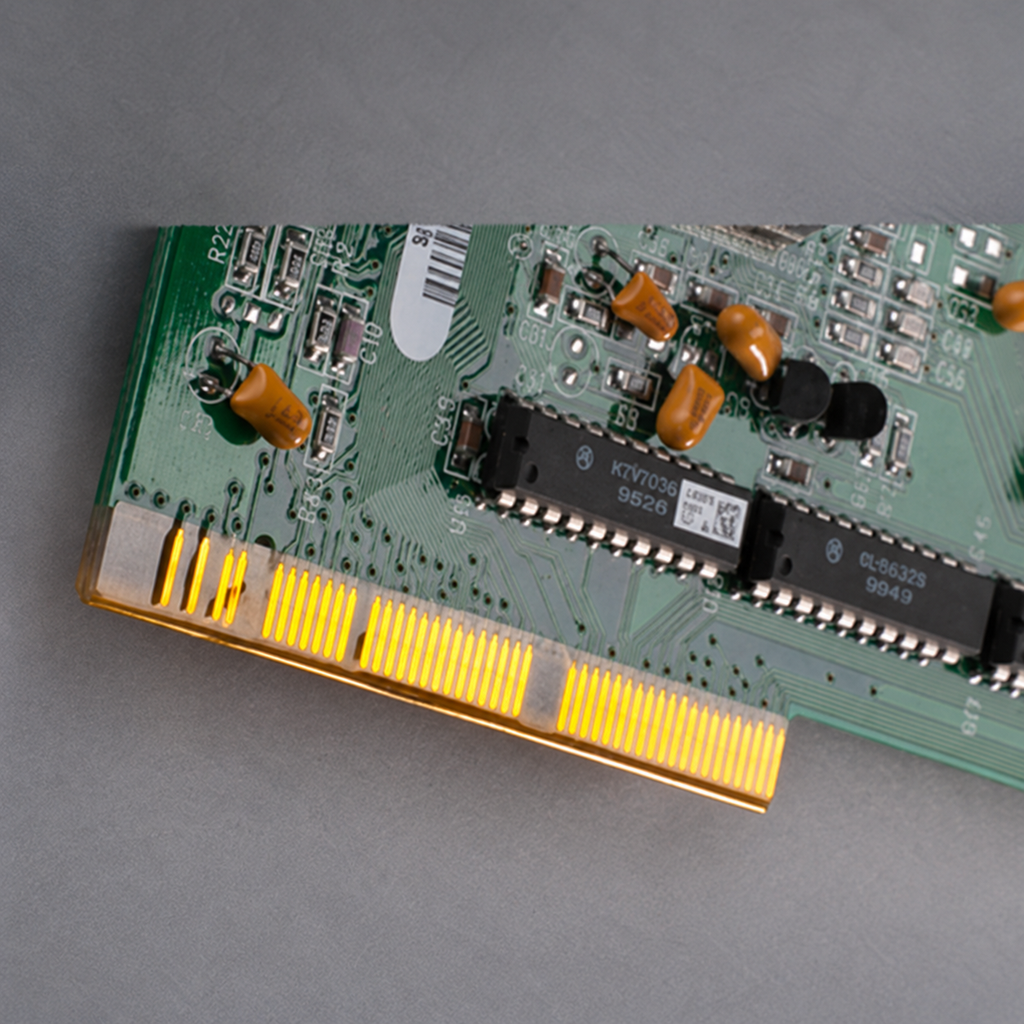
CL-8632S Polyimide High-Temperature Label for PCB Process Control and Traceability
The CL-8632S is a polyimide (PI) high-temperature label with a white matte coating and a thickness of 2 mil, made for the electronics industry. The source specifications list a PI base film, a temperature range of -40°C to 350°C, and SGS/RoHS as the certification standard, and describe stable performance at high temperature, removal without adhesive residue, repeated re-application, usability in wave soldering and reflow processing, and good resistance to chemicals and solvents. The listed applications are process control and product traceability on printed circuit boards (PCBs) and on sensitive electronic components. Before ordering, confirm the printing method and ribbon pairing for your printer, and validate the label against your actual soldering profile.
View details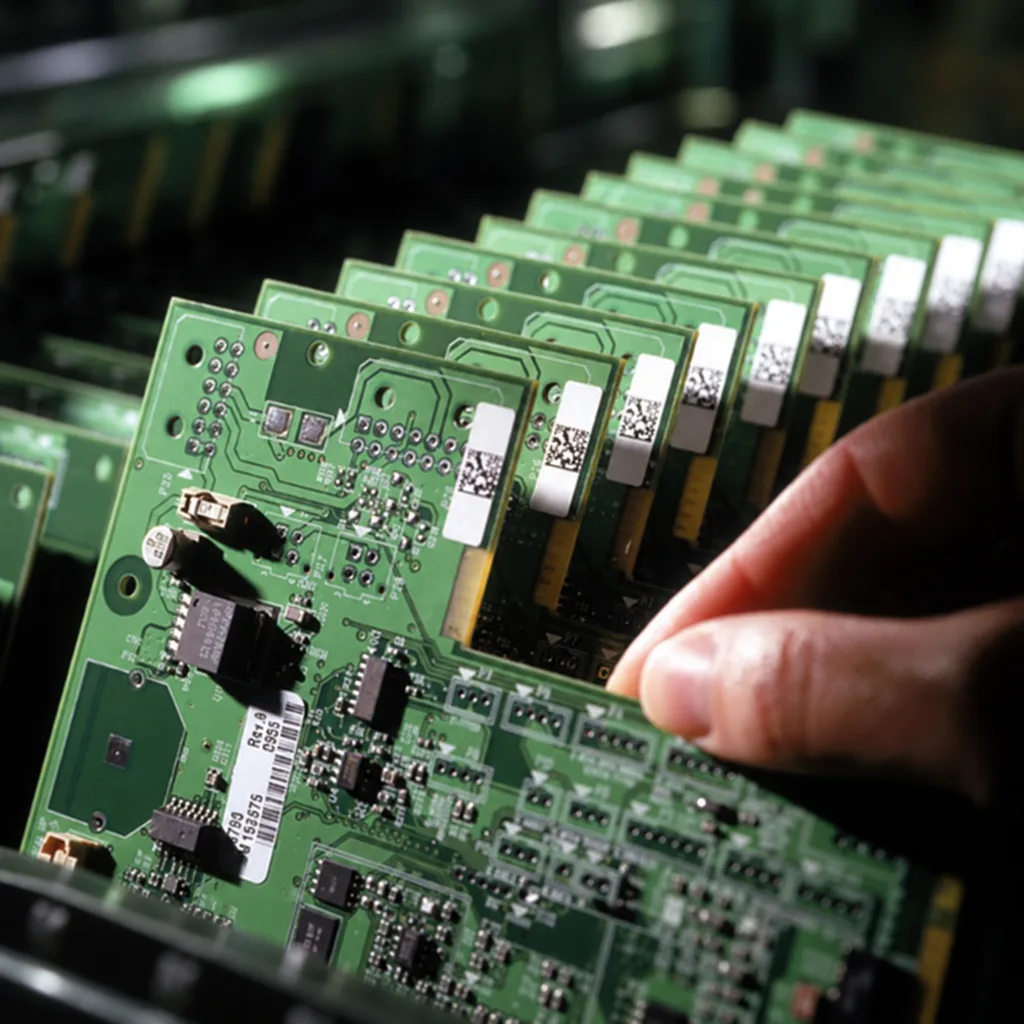
Polyimide Labels for Circuit Board Traceability — CL-8531TT
A matte white polyimide (PI) self-adhesive label material for printed circuit board (PCB) process control and traceability of sensitive electronic components. It combines a hard coating with an acrylic adhesive and is described for reflow and wave soldering applications. Select against the actual labeling surface and soldering exposure: the listed temperature range does not specify exposure duration or the number of passes.
View detailsNeed the right ribbon for your label application?
Share the label material, printer and operating environment. Our team will recommend a tested combination.
