
Thermal Transfer Ribbon Selection for Extreme Environment Durability: A Buyer Guide
Request a solution
- Original TTR manufacturer since 2013
- Automated coating and slitting
- IQC / IPQC / OQC control
- ANSI barcode grade testing
- -20°C to 120°C environmental testing
- Batch-level traceability
- ANSI barcode grade
- Batch traceability
- RoHS / REACH compliance
- SGS and MSDS documents on request
Key Takeaways
- This buyer guide helps thermal transfer ribbon distributors and resellers choose products for extreme environment durability.
- It explains wax, wax-resin, and resin ribbon categories, emphasizing resin for chemical, heat, and abrasion resistance.
- TTO ribbons for flexible packaging coding and color ribbons for wash-care labels are highlighted as priority products, but they are distinct applications requiring different printer settings and ribbon formulations.
Data and Evidence
When selecting thermal transfer ribbons for extreme environment durability, distributors need reliable data from the manufacturer. The supplier's production capacity and quality certifications provide a baseline for consistency and compliance. This section presents key facts to support your sourcing decisions.
The manufacturer has been an original producer since 2013, giving over 13 years of thermal transfer ribbon experience. This longevity indicates process maturity and technical stability, which are critical for consistent performance in demanding applications.
- Annual production capacity of 50 million square meters and monthly output of more than 200,000 rolls, ensuring supply stability for large orders.
- Custom widths from 30 mm to 220 mm and custom lengths from 70 m to 600 m, allowing adaptation to various printer models and label sizes.
- OEM and private label packaging options, plus custom Pantone color matching and custom formulation support for unique durability requirements.
- Quality references include ISO 9001:2015 for quality management, RoHS 2.0 and REACH for substance restrictions, SGS testing for product verification, FDA compliance for food contact applications, and MSDS reports for safe handling.
- Sample and production lead times vary by product type, so confirm the current schedule with the sales team before planning.
- For extreme environment claims, always request a sample test under your specific conditions, as durability depends on label substrate, printer settings, and environmental factors.
Understanding Ribbon Categories for Extreme Durability
Thermal transfer ribbons are generally classified into wax, wax-resin, and resin types. Wax ribbons are commonly used for paper labels in general logistics, offering cost-effective printing for short-term applications. Wax-resin ribbons add scratch resistance, making them suitable for labels that face moderate handling. Resin ribbons are chosen when stronger chemical, heat, and abrasion resistance is needed, such as in automotive, electronics, or chemical drum labeling.
For extreme environment durability, resin-based ribbons are often the primary choice because their formulation provides a harder print that resists fading, smearing, and degradation. However, the exact performance depends on the label material and the printer's heat settings. Distributors should test resin ribbons on the actual label substrate to confirm that the print withstands the specific chemicals, temperatures, and abrasion levels required by the end customer.
- Wax ribbons: suitable for paper labels in general logistics, but not designed for extreme chemical or heat exposure.
- Wax-resin ribbons: provide improved scratch resistance over wax, useful for labels with moderate handling.
- Resin ribbons: offer the highest resistance to chemicals, heat, and abrasion, ideal for harsh industrial environments.
- Always verify the ribbon's compatibility with the label material and printer model using the equipment manual or a sample test.
TTO Ribbons for Flexible Packaging Coding
Thermal Transfer Overprint (TTO) ribbons are specifically designed for printing variable information on flexible packaging films, such as date codes, batch numbers, and barcodes. These ribbons are used in packaging lines where the print must survive handling, shipping, and sometimes sterilization or freezing. TTO ribbons are not the same as standard ribbons for paper labels; they are formulated to adhere to films like polyethylene, polypropylene, and foil.
For extreme environment durability in packaging, TTO ribbons must resist smearing during high-speed packaging, and the printed codes must remain legible after exposure to moisture, cold, or heat. Distributors should confirm the ribbon's compatibility with the packaging film type and the printer model. Since TTO printing occurs on the packaging line, the ribbon's heat transfer characteristics must match the printer's printhead energy to avoid poor adhesion or overburning.
When selecting TTO ribbons, request a sample test on the actual packaging film and run it through the customer's packaging line to verify code durability under real conditions. Check that the printed code remains legible after the specified environmental exposure, such as freezer storage or autoclave cycles, as per the customer's acceptance criteria.
- TTO ribbons are for flexible packaging films, not for paper labels or wash-care labels.
- Verify ribbon compatibility with the packaging film (e.g., PE, PP, foil) and the printer model.
- Test printed codes under the actual environmental conditions (e.g., freezing, heat, moisture) as per customer specifications.
- Confirm the ribbon's heat transfer characteristics with the printer manual to ensure proper adhesion.

Color Ribbons for Wash-Care Labels and Branding
Color thermal transfer ribbons, including those for wash-care labels, are used to print durable text and symbols on fabric labels that must withstand repeated washing and dry cleaning. These ribbons are formulated to bond with fabric substrates and resist fading from detergents and abrasion. For extreme environment durability, the color must remain legible after many wash cycles, which requires a resin-based or specially formulated color ribbon.
Wash-care labels are a distinct application from TTO packaging coding. They use different printers and ribbon formulations. Distributors should not assume that a TTO ribbon works for wash-care labels or vice versa. Each product type requires specific testing on the actual fabric and washing conditions.
Color ribbons also serve branding applications, such as printing logos or labels on products where color accuracy is important. Custom Pantone color matching is available to meet brand specifications. For extreme environments, the color's resistance to chemicals, UV light, or heat must be verified. Request a sample of the color ribbon and test it on the target fabric or material, following the customer's wash or exposure protocol.
- Color ribbons for wash-care labels must withstand repeated washing and dry cleaning; test on actual fabric.
- TTO and wash-care label printing are different applications; do not interchange ribbons or printers.
- Custom Pantone color matching is available for branding, but durability testing is required for extreme conditions.
- Verify color fastness to chemicals, UV, or heat per the customer's acceptance criteria.
Customization and Compliance for Extreme Use
For extreme environment applications, standard ribbon formulations may not suffice. The manufacturer offers custom formulation support to adjust the ribbon's resistance properties, such as increasing chemical resistance or improving adhesion to difficult substrates. Custom widths and lengths allow the ribbon to fit specific printer models and reduce waste.
Compliance is often a requirement in regulated industries. The manufacturer's quality references include ISO 9001:2015, RoHS 2.0, REACH, SGS testing, FDA compliance for food contact, and MSDS reports. However, these certifications apply to specific product lines and may not be available for every sample. Distributors should request the relevant compliance documents for the exact product model they intend to purchase, and confirm with the sales team which reports are included.
When sourcing for extreme environments, always ask for a material safety data sheet (MSDS) to ensure safe handling during printing and disposal. For food packaging applications, FDA compliance is critical, but verify that the specific ribbon meets the required food contact regulations.
- Custom formulation support can tailor ribbons for specific chemical, heat, or abrasion resistance.
- Custom widths (30-220 mm) and lengths (70-600 m) accommodate various printer models.
- Compliance documents (ISO, RoHS, REACH, SGS, FDA, MSDS) are available, but confirm availability for the specific product model.
- For food contact, verify FDA compliance for the exact ribbon and application.
Verification Steps for Sample Testing
Before committing to a large order, distributors should conduct a sample test to verify that the ribbon meets the extreme environment durability requirements. This process involves testing the ribbon on the actual label or packaging material, using the customer's printer settings, and exposing the printed sample to the specific conditions it will face in the field.
Start by requesting a sample of the ribbon and the corresponding label material. Print test labels using the same printer and settings that the end customer will use. Then, subject the printed labels to the environmental stressors specified in the customer's acceptance criteria, such as chemical exposure, heat aging, or abrasion testing. Document the results and compare them to the required performance levels.
If the ribbon fails the test, consult the manufacturer about custom formulation adjustments. The manufacturer's experience since 2013 can help refine the ribbon to meet the application's demands. Remember that sample lead times vary, so plan accordingly.
- Request a sample and test on the actual label or packaging material.
- Use the customer's printer settings and equipment to ensure compatibility.
- Expose printed samples to the specific environmental conditions (chemicals, heat, abrasion) as per the customer's acceptance criteria.
- If the test fails, discuss custom formulation options with the manufacturer.
- Confirm sample lead times with the sales team to avoid delays.
Frequently Asked Questions
What is the difference between wax, wax-resin, and resin ribbons for extreme environments?
Wax ribbons are for paper labels in general logistics and offer limited durability. Wax-resin ribbons add scratch resistance for moderate handling. Resin ribbons provide the strongest resistance to chemicals, heat, and abrasion, making them suitable for extreme environments. Always test the ribbon on your specific lab…
Can I use the same ribbon for TTO packaging coding and wash-care label printing?
No, TTO ribbons are designed for flexible packaging films, while wash-care label ribbons are formulated for fabric substrates. They are different applications and require different ribbon formulations and printer settings. Using the wrong ribbon can lead to poor print quality and durability issues.
How do I verify that a ribbon will withstand extreme conditions?
Request a sample and test it on your actual label or packaging material using the same printer settings. Expose the printed samples to the specific conditions (e.g., chemicals, heat, abrasion) as per your customer's acceptance criteria. If the ribbon fails, consult the manufacturer for custom formulation options.
What compliance documents are available for thermal transfer ribbons?
The manufacturer provides quality references including ISO 9001:2015, RoHS 2.0, REACH, SGS testing, FDA compliance for food contact, and MSDS reports. However, these documents may vary by product model, so confirm with the sales team which reports are included for your specific ribbon.
Related Products & Guides
Recommended products for this industry
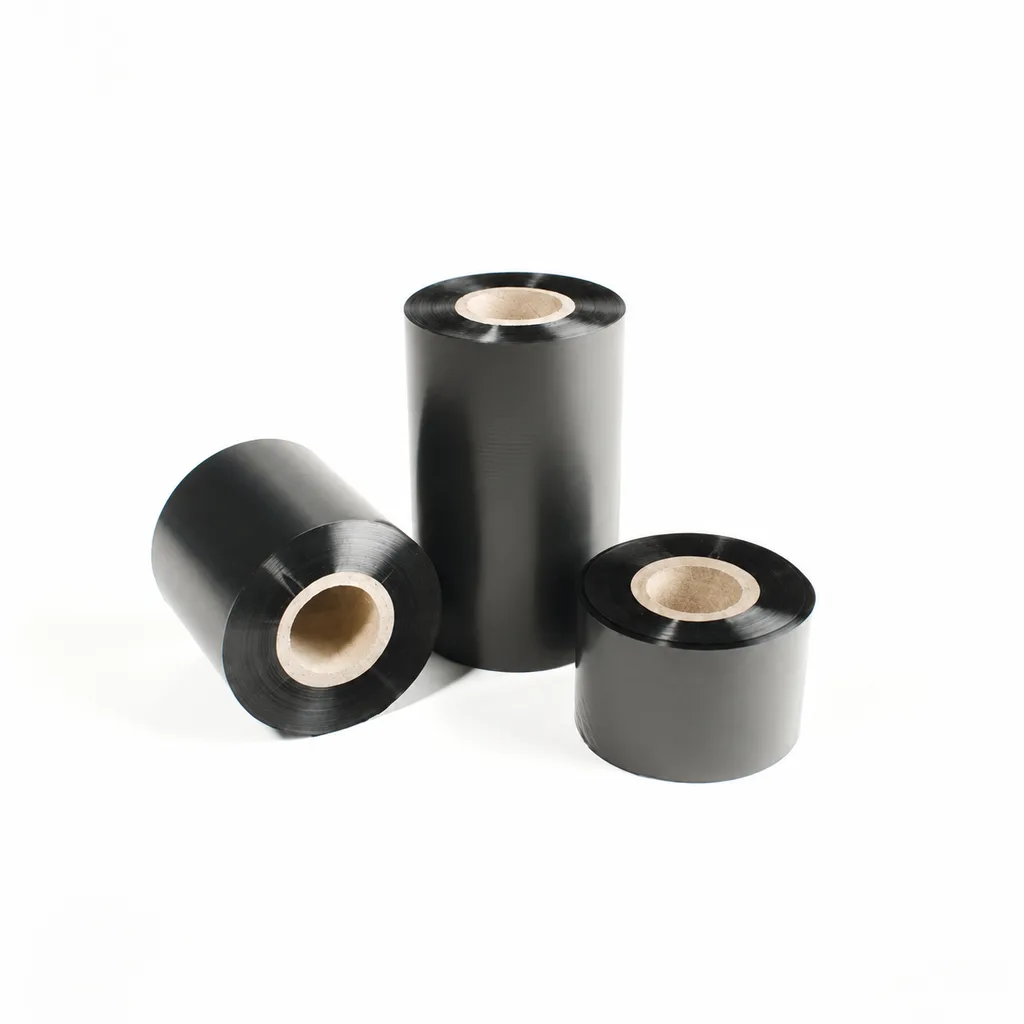
CL-Z112 Enhanced Wax Thermal Transfer Ribbon for Paper Labels and Tags
An enhanced wax thermal transfer ribbon with black ink for paper labels and tags used in retail, warehousing and logistics. It is specified for flat-head printing on desktop or industrial barcode printers at ≤8 inches per second (ips). Select it by checking the actual label material, printer configuration and handling conditions: image-quality, rub-resistance and cold-chamber results were obtained on coated paper, and print quality and image durability may vary with the printer and print medium.
View details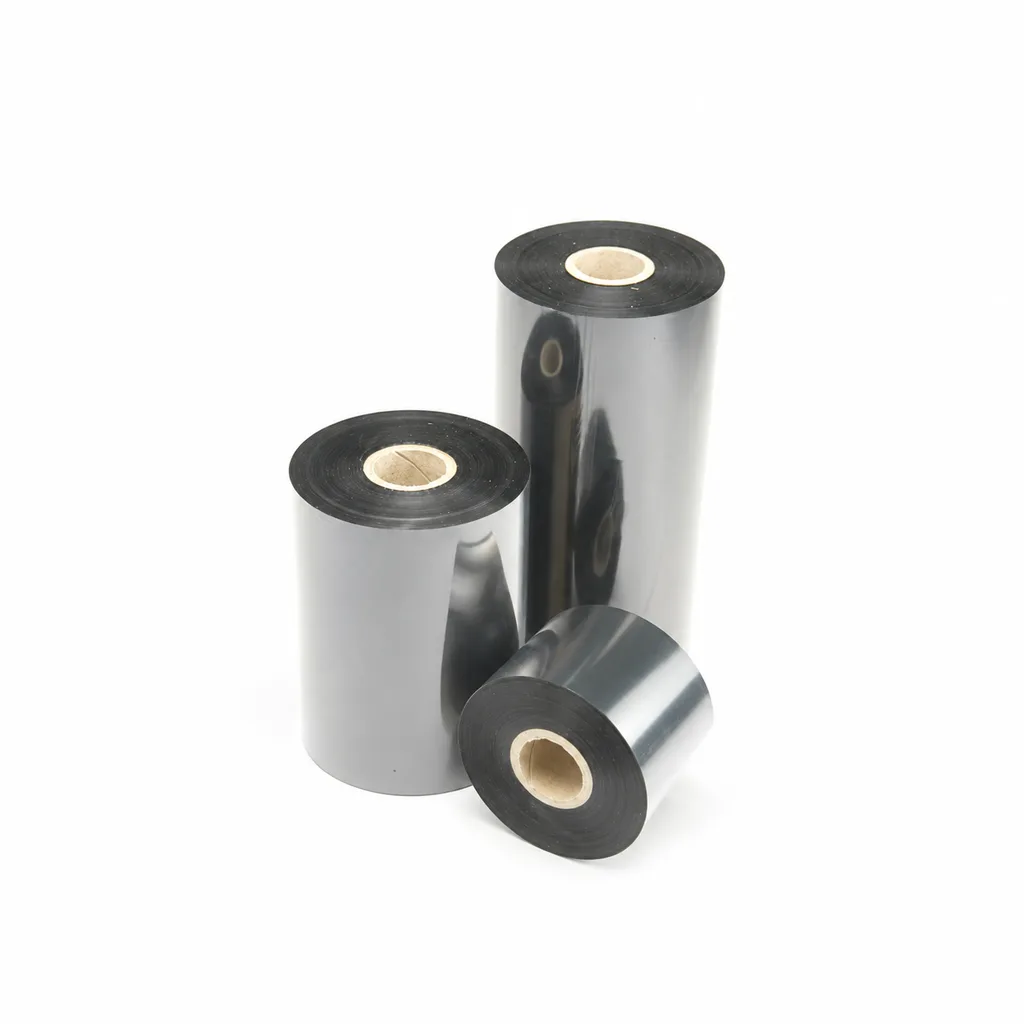
CL-Z203 Wax-Resin Thermal Transfer Ribbon for Barcode Labels
A black wax-resin thermal transfer ribbon for flat-head printing, with listed applications including retail, warehousing, logistics and garment tags. Select it against your actual label material and desktop or industrial barcode printer at speeds ≤6 ips (inches per second). Fine-line, small-text and durability results were obtained on coated paper; print quality and image durability may vary with the printer and printing substrate.
View details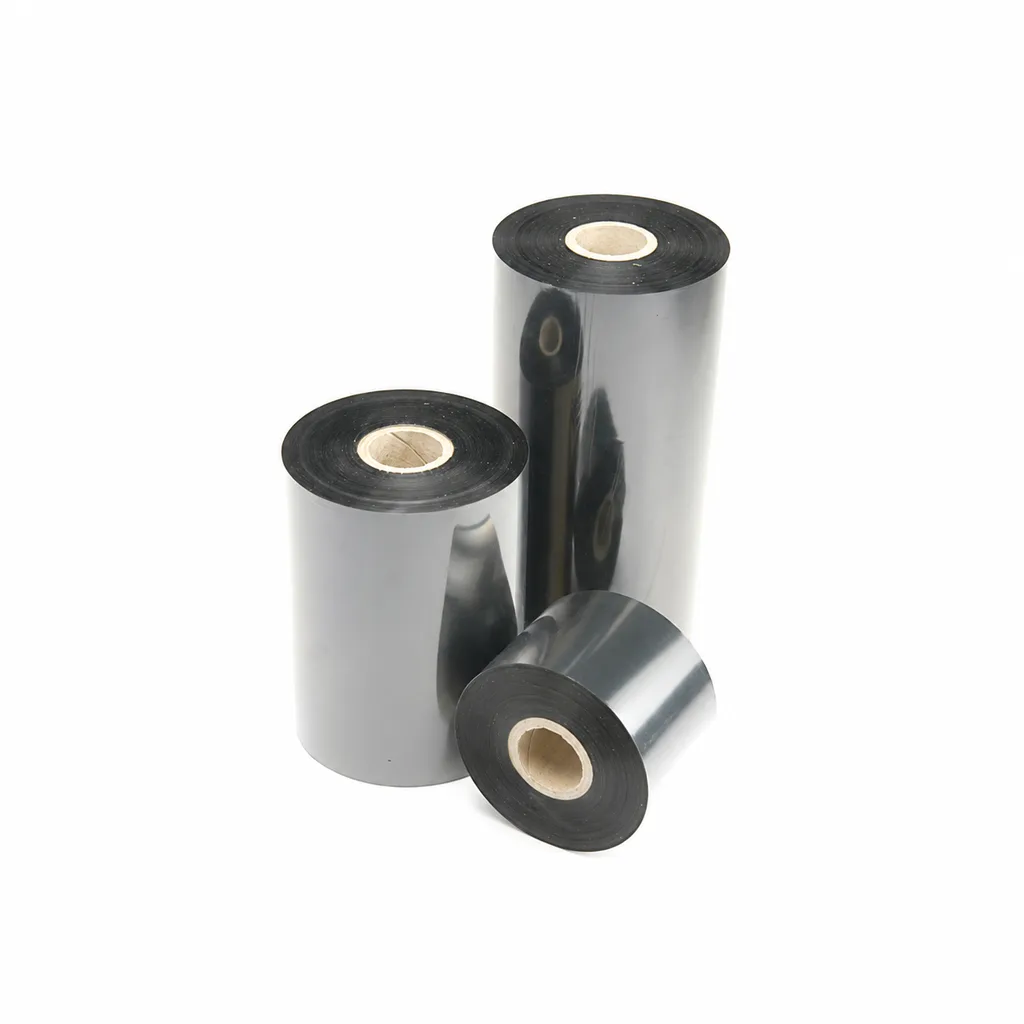
CL-Z213 Near-Edge Wax-Resin Thermal Transfer Ribbon for Barcode Labels
An enhanced black near-edge wax-resin thermal transfer ribbon for near-edge barcode printers and low- to medium-speed thermal transfer overprinting (TTO). Listed applications include retail labels, warehousing, garment tags and packaging identification. Match the printer, actual print medium and operating speed before selection: print quality and image durability can vary with the printer and substrate.
View details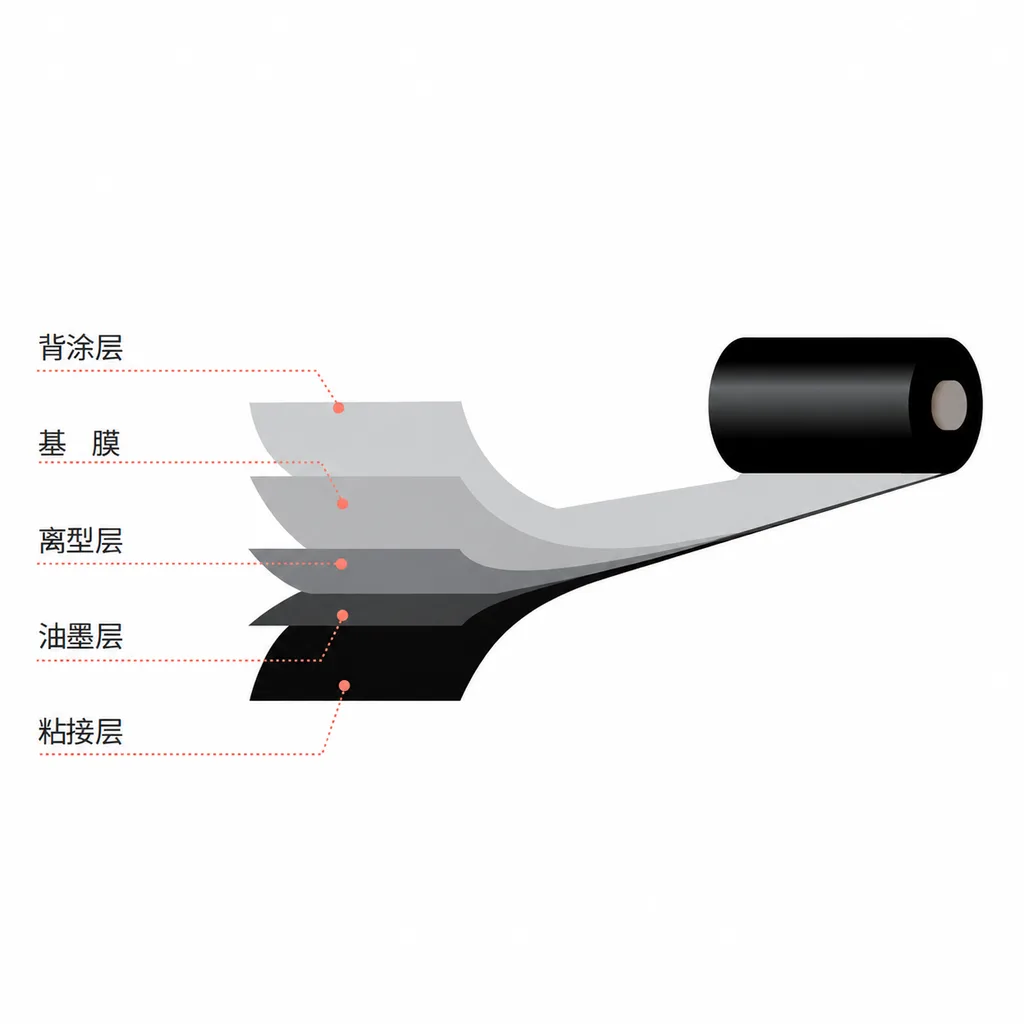
CL-Z312 Resin Thermal Transfer Ribbon for Packaging Printing
CL-Z312 is a black, general-purpose resin ribbon for thermal transfer overprinting (TTO), with packaging and retail label applications listed in the product information. Its abrasion, alcohol and oil resistance data were obtained on polyethylene terephthalate (PET). Select it against your actual packaging material, printer and production speed: print quality and image durability can vary with the printer and substrate, and the material chart percentages are not defined as pass rates.
View detailsNeed the right ribbon for your label application?
Share the label material, printer and operating environment. Our team will recommend a tested combination.
